Suffolk’s Habitats
Suffolk supports 21 priority habitats and over 300 priority species. Select a habitat to explore its associated species, distribution data and conservation information.
Priority habitats and species are defined under Section 41 of the Natural Environment and Rural Communities (NERC) Act 2006, which also places a statutory duty on all public bodies to have regard to the conservation of biodiversity. They were formerly known as UK Biodiversity Action Plan (BAP) habitats and species, and that term is still widely used.
Suffolk’s habitats are also central to the county’s Local Nature Recovery Strategy (LNRS), published in 2025. The LNRS identifies 20 habitat-specific priority areas – ranging from mixed deciduous woodland and fen habitats to coastal sand dunes and saline lagoons – alongside 13 wider priority focus areas designed to benefit nature across multiple habitat types. Together, these set out where targeted action for habitat creation, restoration and improved management can have the greatest impact for nature recovery across Suffolk.
Alongside its habitat priorities, the LNRS introduces the concept of habitat-based assemblages – groupings of species that naturally share and depend upon the same habitat type. Rather than considering individual species in isolation, assemblages recognise that many plants, insects, birds and other wildlife have overlapping needs and respond to the same conservation actions. The LNRS identifies 15 such assemblages for Suffolk, from Coastal Shingle and Dunes and Lowland Fen to Farmed Landscapes and Urban, Built and Garden Environments. Each assemblage is represented by a flagship species that helps illustrate its character – the turtle dove for farmed landscapes, for example, or the nightingale for scrub and mosaic habitats.
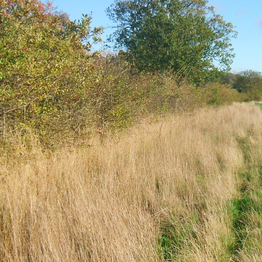
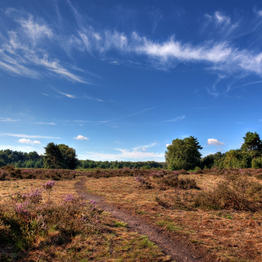
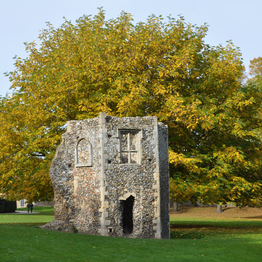
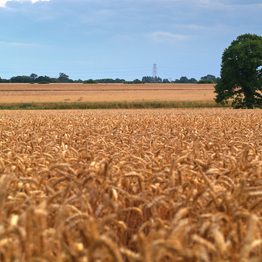
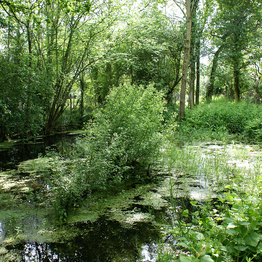
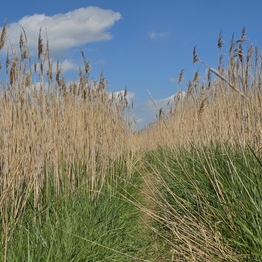
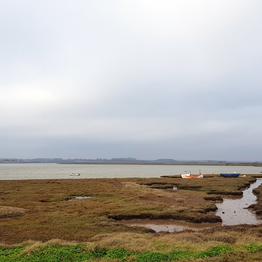
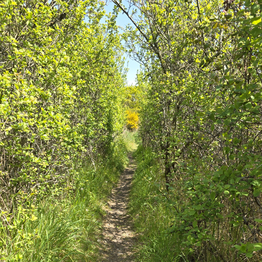
The species listed under each habitat on this page are intended as guidance. Some species marked as Suffolk priority species are not on the national list but are of particular importance to the county – for example, East Anglia holds almost half of the UK population of Little Tern, giving Suffolk a significant role in the species’ conservation. Use the menu to visit individual habitat group pages, or browse habitats using the images below, you can filter by habitat group
Key
A conservation priority in Suffolk’s Historic Biodiversity Action Plan.
A key habitat for recovery under Suffolk’s Local Nature Recovery Strategy.