
Scrub and Mosaic
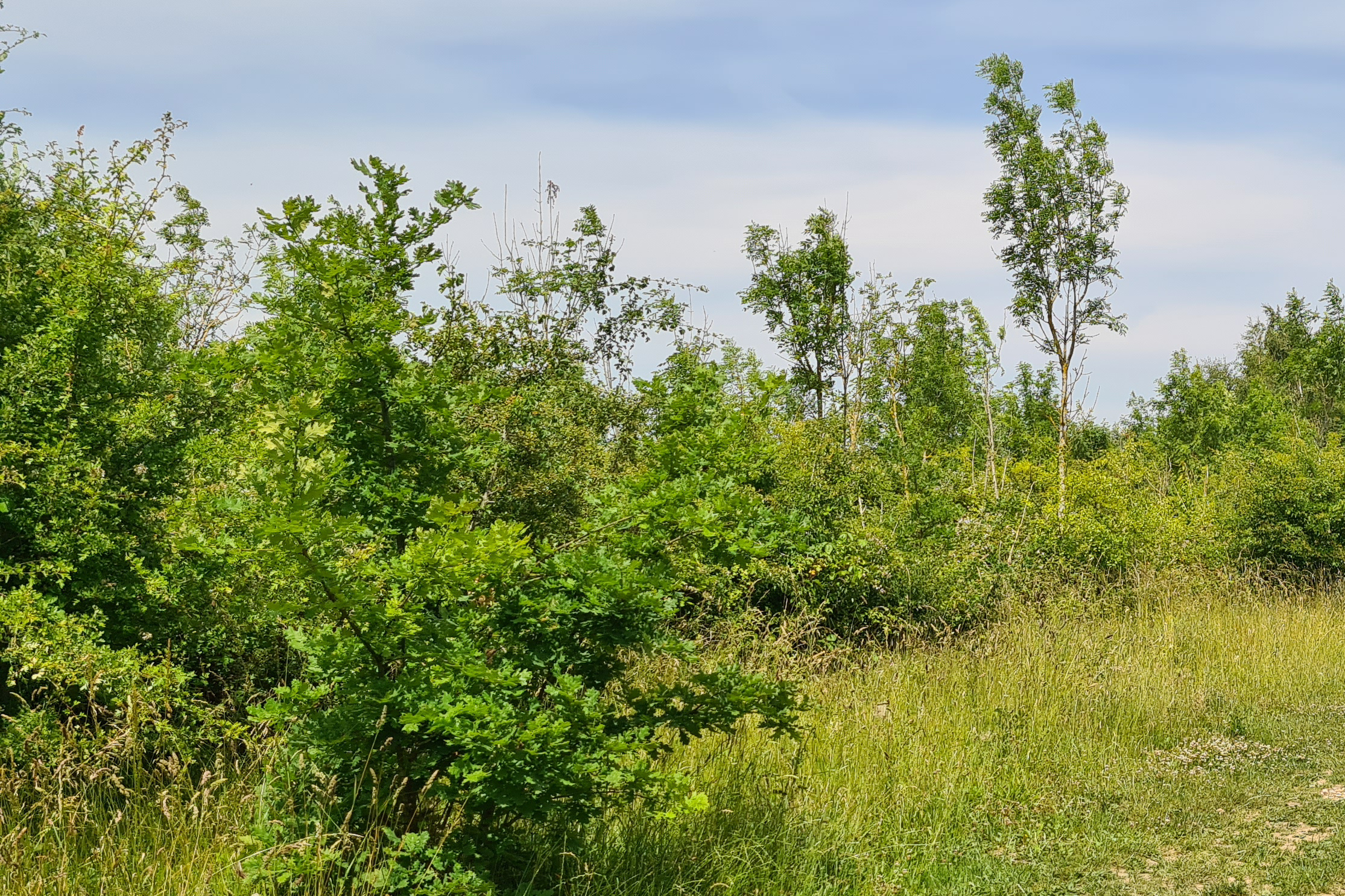
Scrub is among the most misunderstood and undervalued habitats in lowland England. Frequently characterised as untidy, unproductive or ecologically transitional, it is in practice a habitat of very high wildlife value, supporting some of the highest densities of breeding birds in the British countryside, critical populations of invertebrates and small mammals, and a structural complexity that few other lowland habitats can match. The prejudice against scrub – expressed in decades of management plans that prioritised its clearance – has contributed significantly to the decline of species that depend on it.
Scrub in Suffolk takes many forms. Dense hawthorn and blackthorn thicket on former heathland, coastal scrub on stabilised dune slack, secondary woodland developing on neglected farmland, and the complex scrub-grassland mosaics of disused mineral workings and brownfield sites all fall within this assemblage. What they share is structural diversity – the mix of dense thorn cover, open patches, taller shrubs, and connecting rides that defines scrub habitat in good condition – and a dependence on dynamic management to maintain that structure against the inevitable successional pressure towards closed-canopy woodland.
The nightingale (Luscinia megarhynchos) is the assemblage’s flagship, and Suffolk is among its most important strongholds in the UK. Its range has contracted sharply northward and eastward over recent decades – the UK breeding population has declined by around 90% since the late 1960s – and East Anglia now holds a disproportionately large share of remaining birds. Nightingales require dense, low scrub with a shrubby understorey for nesting and singing, and their presence on a site is a reliable indicator of scrub in the structural condition that benefits the widest range of dependent species. Open mosaic habitats on previously developed land – brownfield sites – are an increasingly important component of this assemblage, their combination of bare ground, ruderal vegetation and scrub creating conditions that some species can find nowhere else in an intensively managed landscape.
Suffolk’s Scrub and Mosaic Habitats
Key
A conservation priority in Suffolk’s Historic Biodiversity Action Plan.
A key habitat for recovery under Suffolk’s Local Nature Recovery Strategy.


Associated habitats
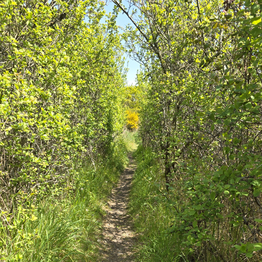
Chalk scrub and scrub margins: Where scrub encroaches onto, or borders chalk grassland, a diverse transitional zone develops that supports species from both habitats alongside specialist scrub-edge communities. Hawthorn, dogwood, wayfaring tree and traveller’s joy are typical components in Suffolk’s chalk country, providing food and shelter for warblers, finches and a range of invertebrates. Carefully managed scrub margins – neither fully cleared nor allowed to close over – often hold the highest biodiversity value.
Heath–grassland mosaics: The intimate mixing of heathland and grassland within a single landscape creates a structural and botanical diversity greater than either habitat alone. These mosaics arise where management varies across a site or where underlying soil conditions shift over short distances. They are particularly valuable for invertebrates, reptiles and ground-nesting birds that require access to multiple habitat types within a small home range.
Scrub–grassland mosaics: Where scrub and open grassland intermix at a fine scale, the resulting mosaic supports a greater diversity of species than either habitat could provide independently. The sheltered, warm microclimates created at scrub edges are particularly favoured by invertebrates, reptiles and small mammals, while the open areas provide foraging habitat for birds and pollinators. Maintaining a dynamic balance between encroaching scrub and open sward – through rotational cutting or grazing – is central to effectively managing this habitat type.
Transitional and regenerating habitats: Early successional habitats – bare ground, pioneer vegetation, low scrub and rank grassland developing on disturbed or previously managed land – support specialist communities of invertebrates and plants that are often rare elsewhere. These transitional conditions are temporary by nature, which is part of what makes them ecologically important: species dependent on them require a continuous supply of suitable patches across a landscape. Quarries, brownfield sites, cleared woodland areas and set-aside land all have the potential to hold significant assemblages at this successional stage.
Woodland rides, edges and glades: The open, sunny spaces within and at the edges of woodland – rides, clearings, glades and woodland margins – are often the most wildlife-rich structural features of a wood. They support abundant flowering plants that attract butterflies, bees and hoverflies, and provide foraging habitat for bats, birds and reptiles. Many specialist woodland invertebrates, including several threatened butterfly species, depend on these open features and decline rapidly when rides are closed off due to lack of management.
Image: Rewilding Scrub at Arger Fen © Emma Aldous