Suffolk’s Species
SBIS holds records for all taxonomic groups in Suffolk, though coverage varies. Well-watched groups such as birds, butterflies and mammals are well represented, while less popular groups – woodlice, micro-moths and parasitic hymenoptera, for example – have relatively little data.
The pages listed in the species group menu include County recorders (full list on Suffolk Naturalists’ Society website), priority species, relevant national recording schemes and societies, current projects, future work priorities and key publications.
For each group, the aim is to establish a County checklist, then identify species in national red data books, nationally scarce lists and Biodiversity Action Plan lists. For some groups, ‘County Notable’ and ‘Habitat Quality Indicator’ species lists will also be developed by specialist working groups in consultation with local conservation bodies, using published evaluation criteria comparable across groups.
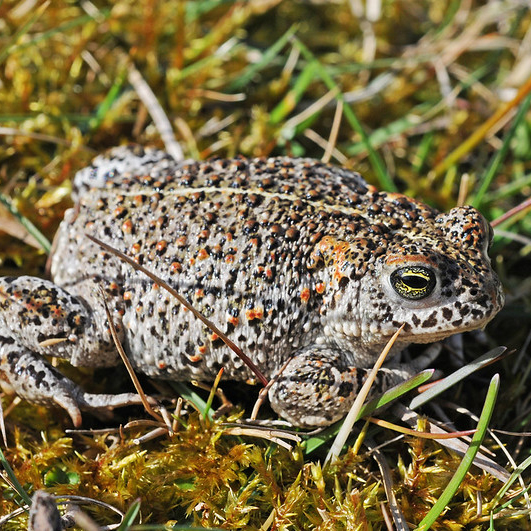
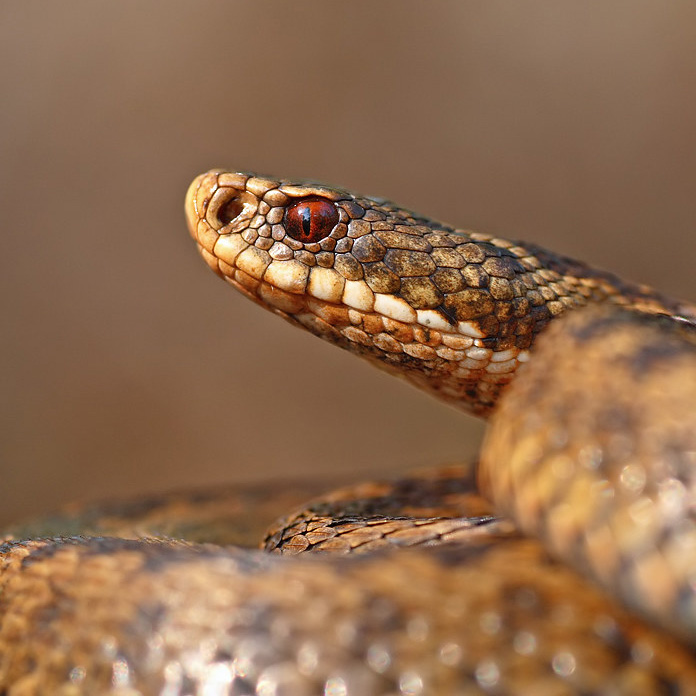
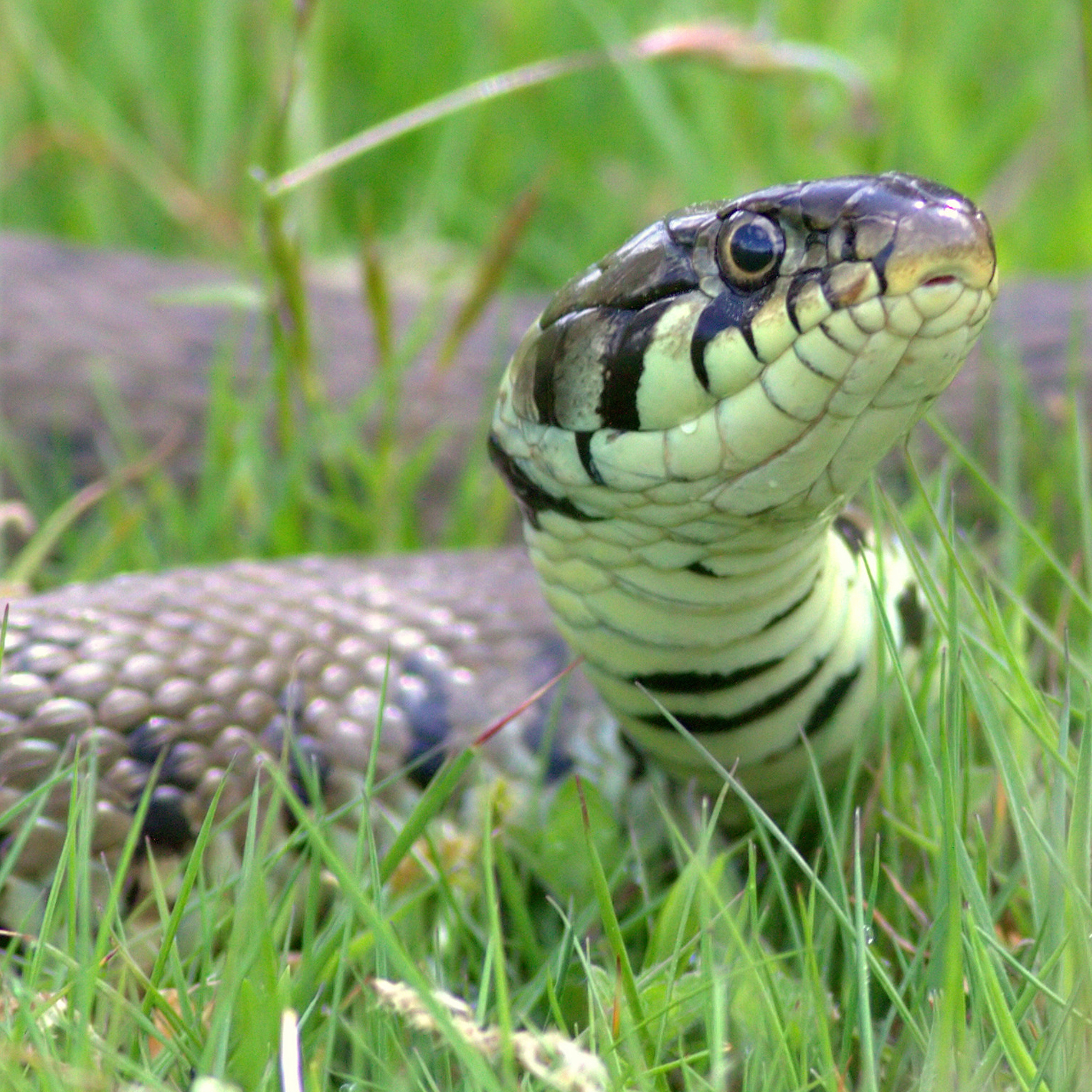
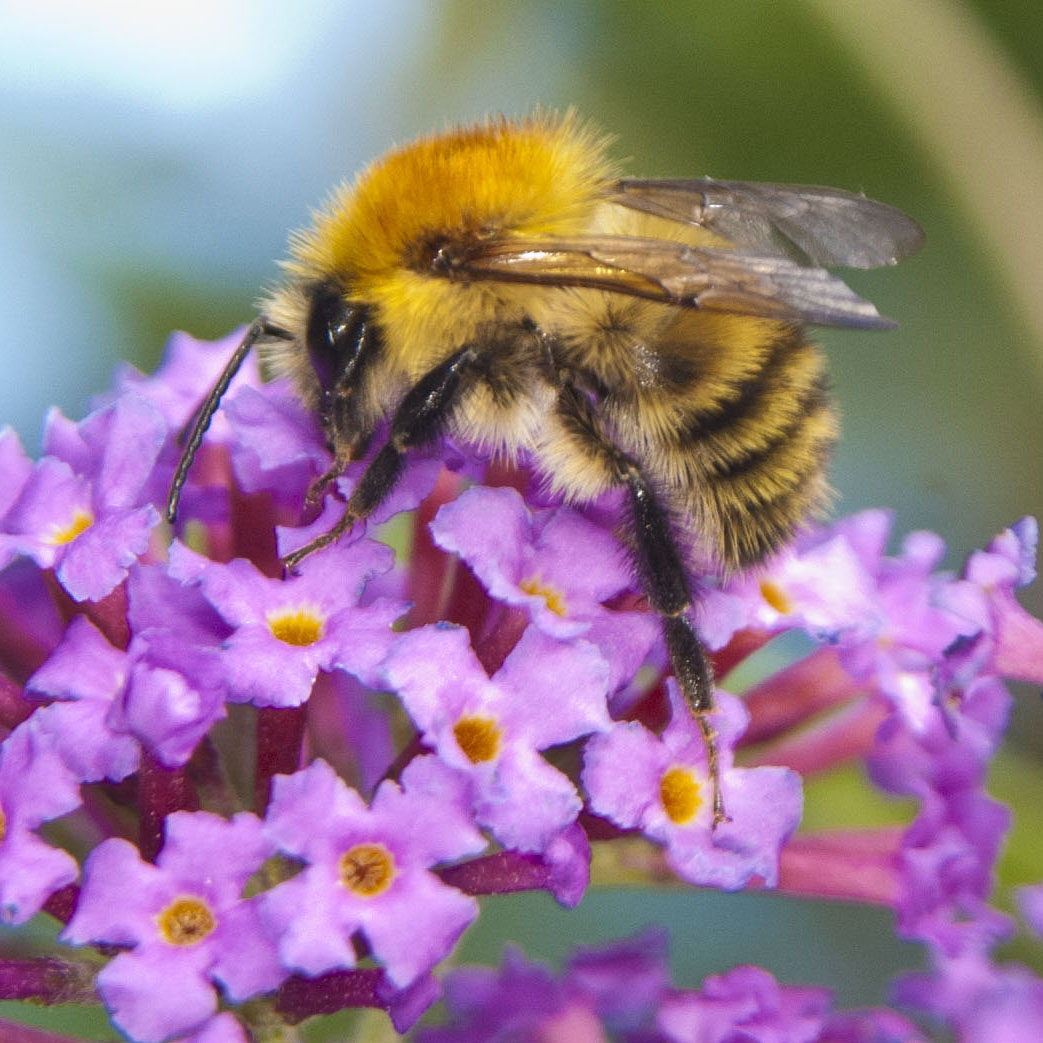
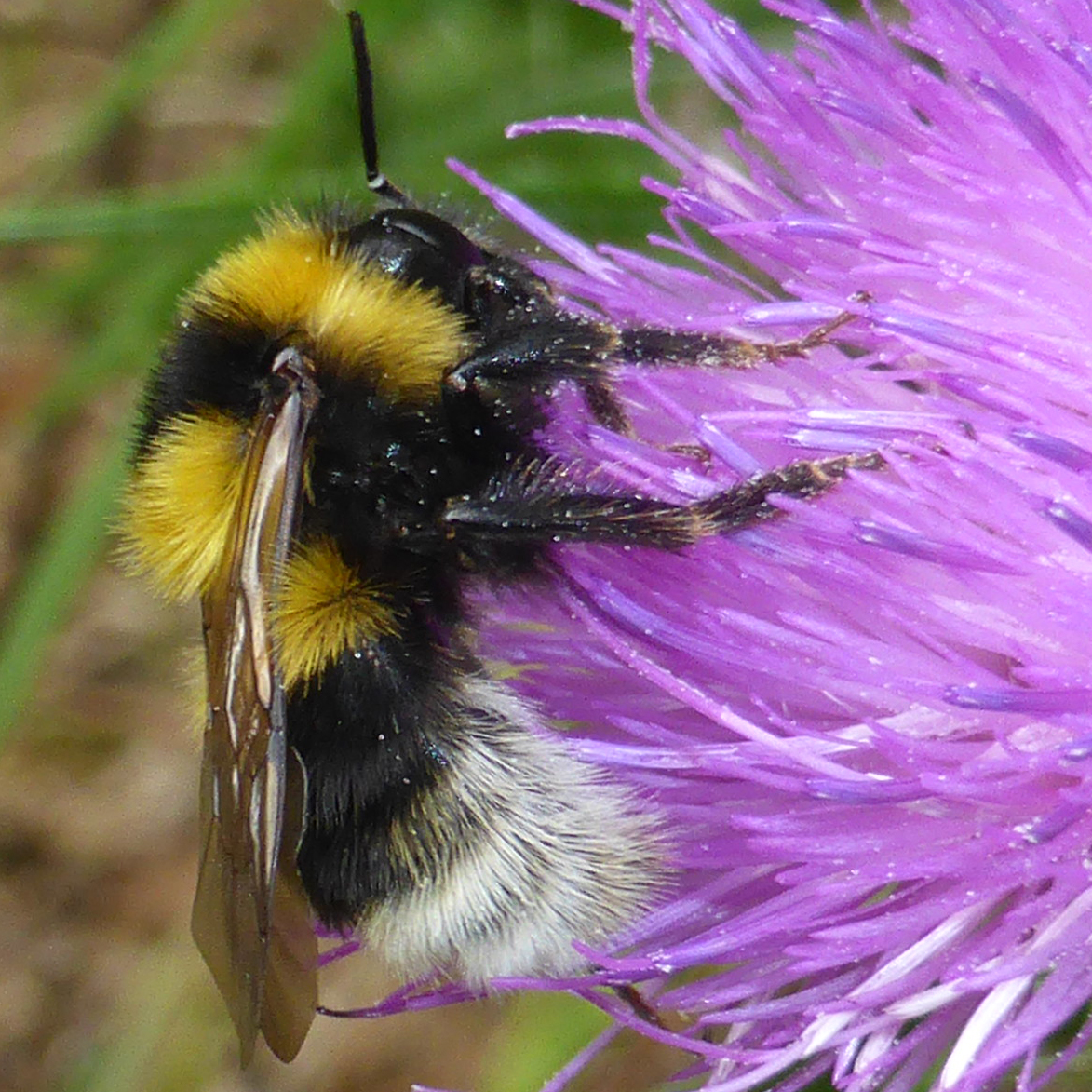
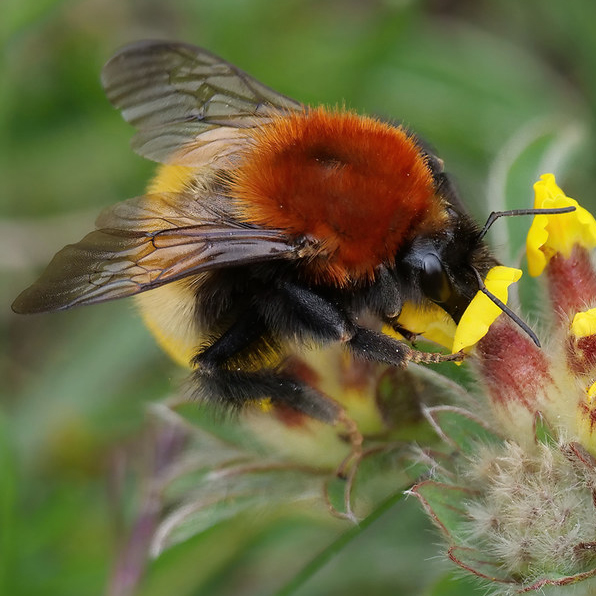
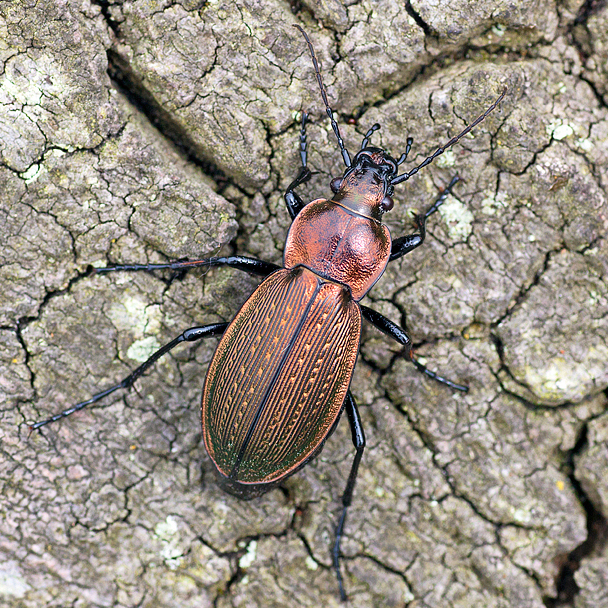
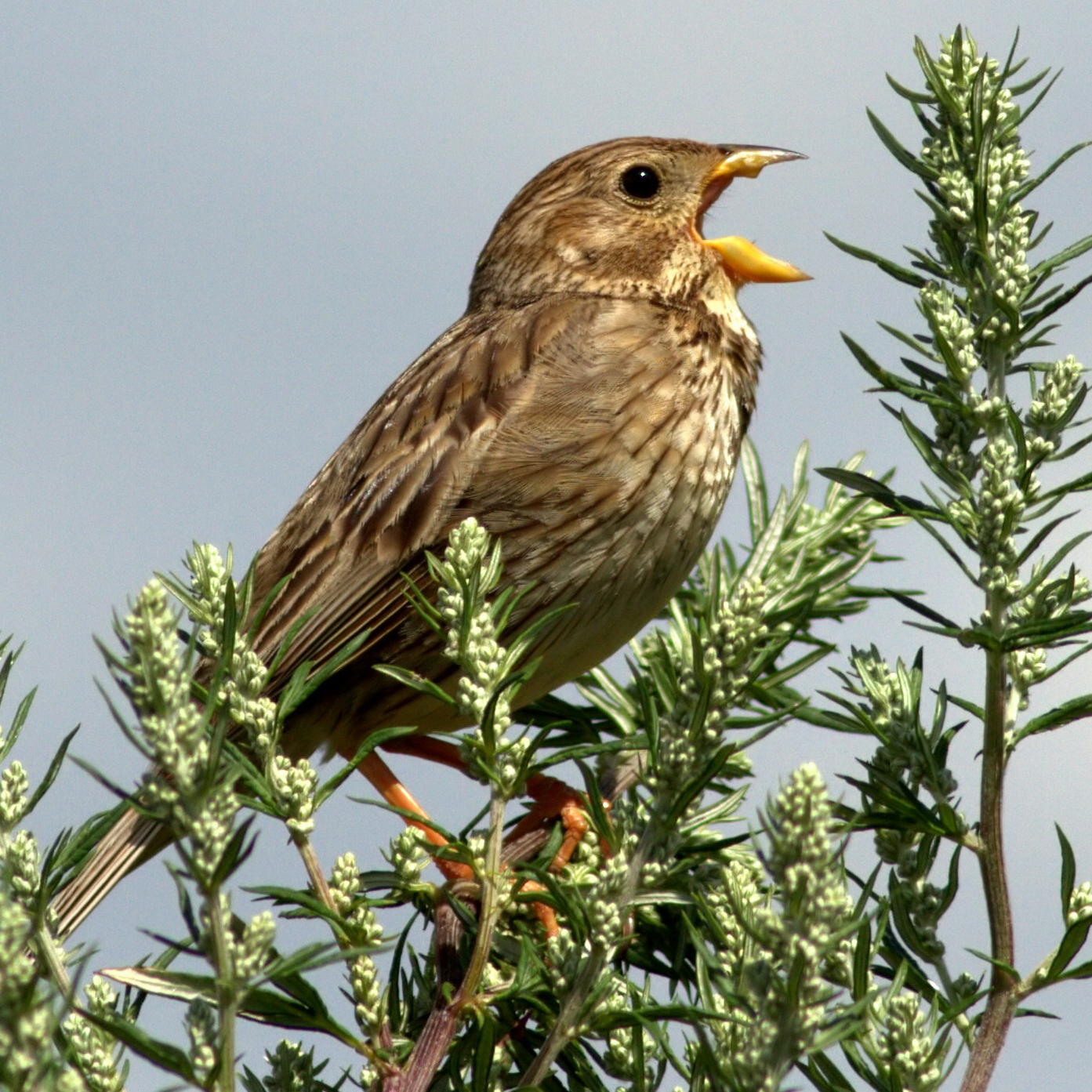
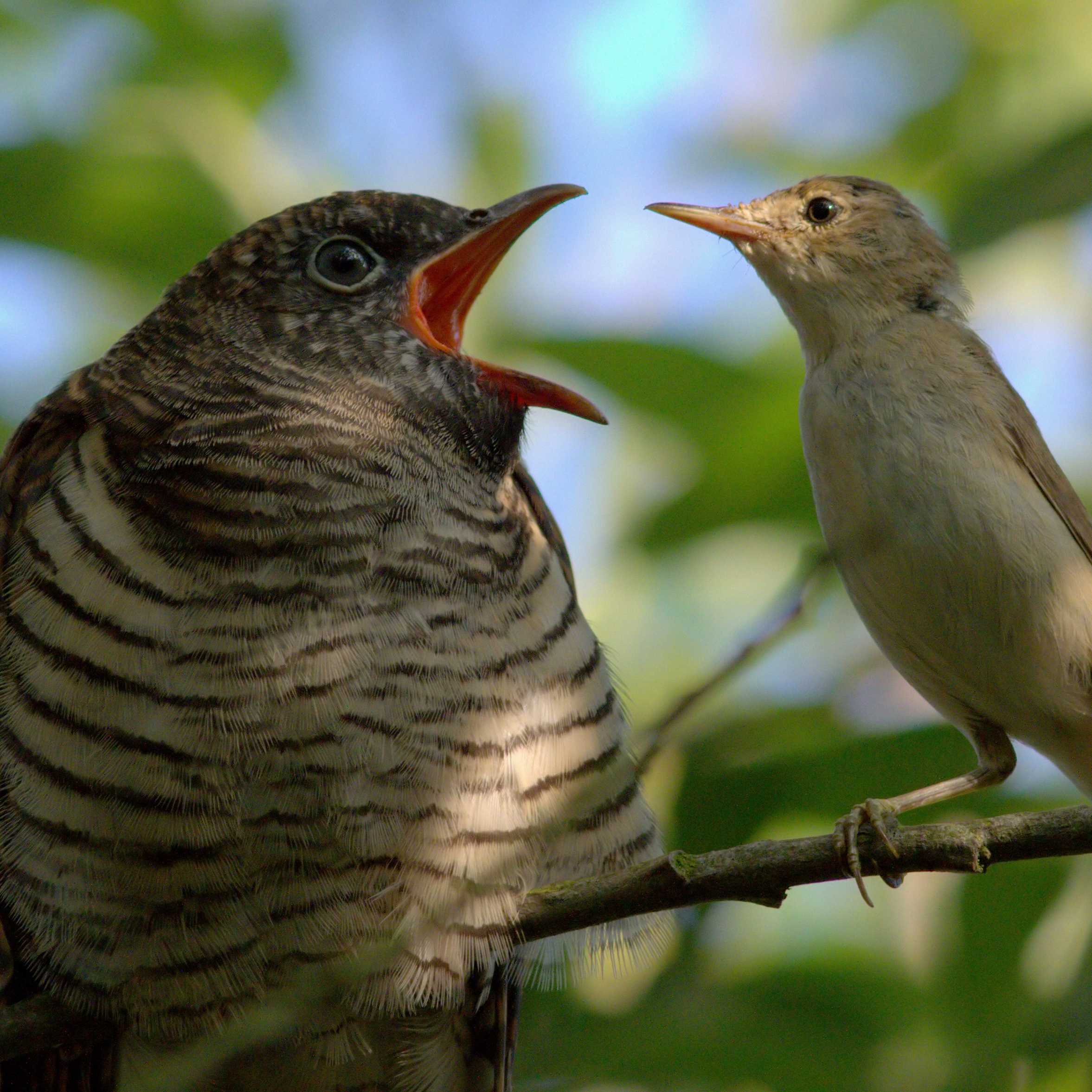
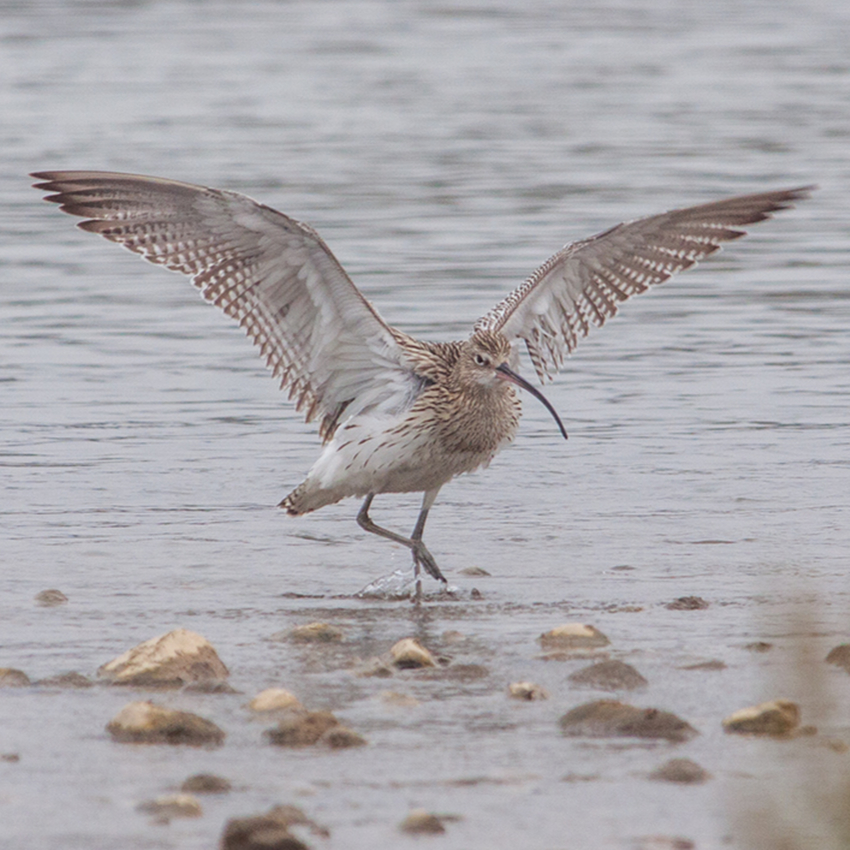
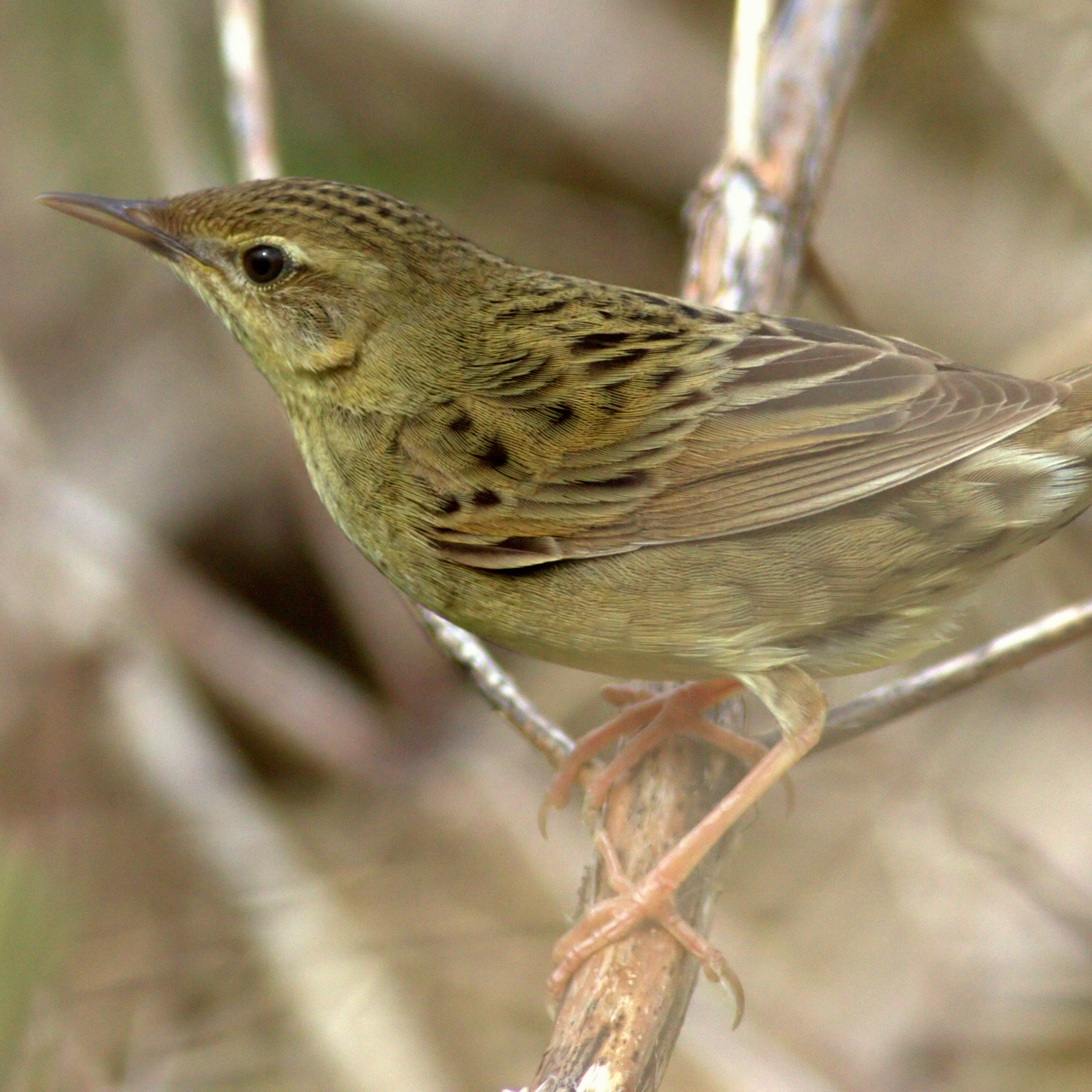
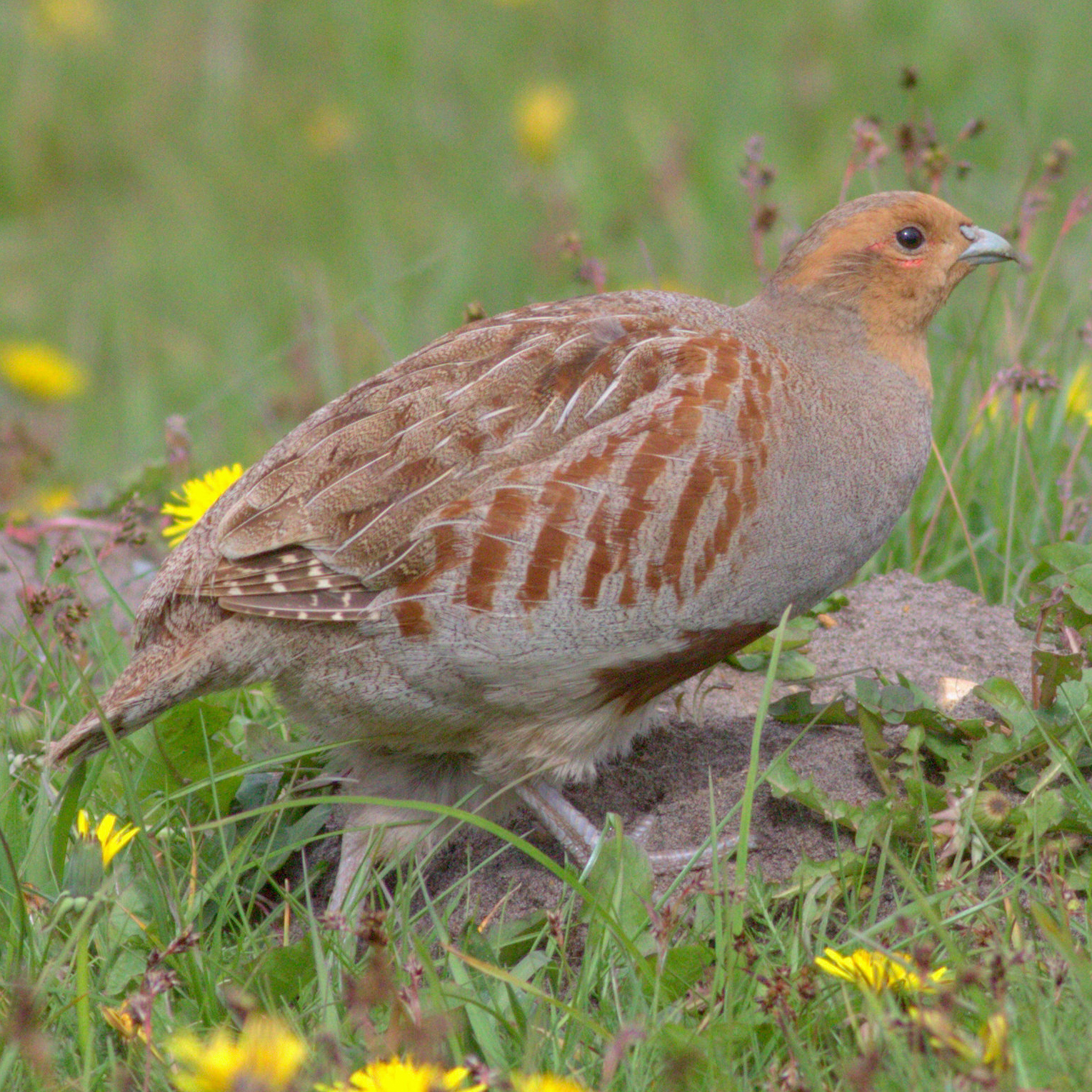
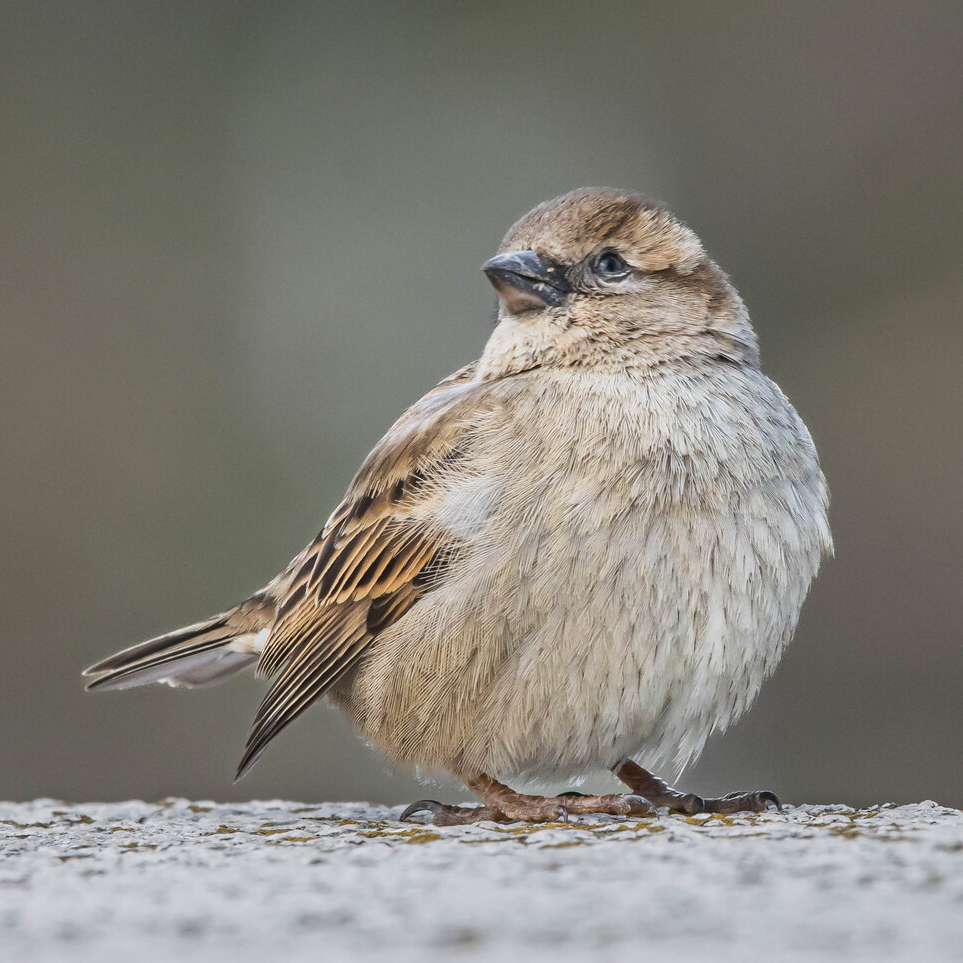
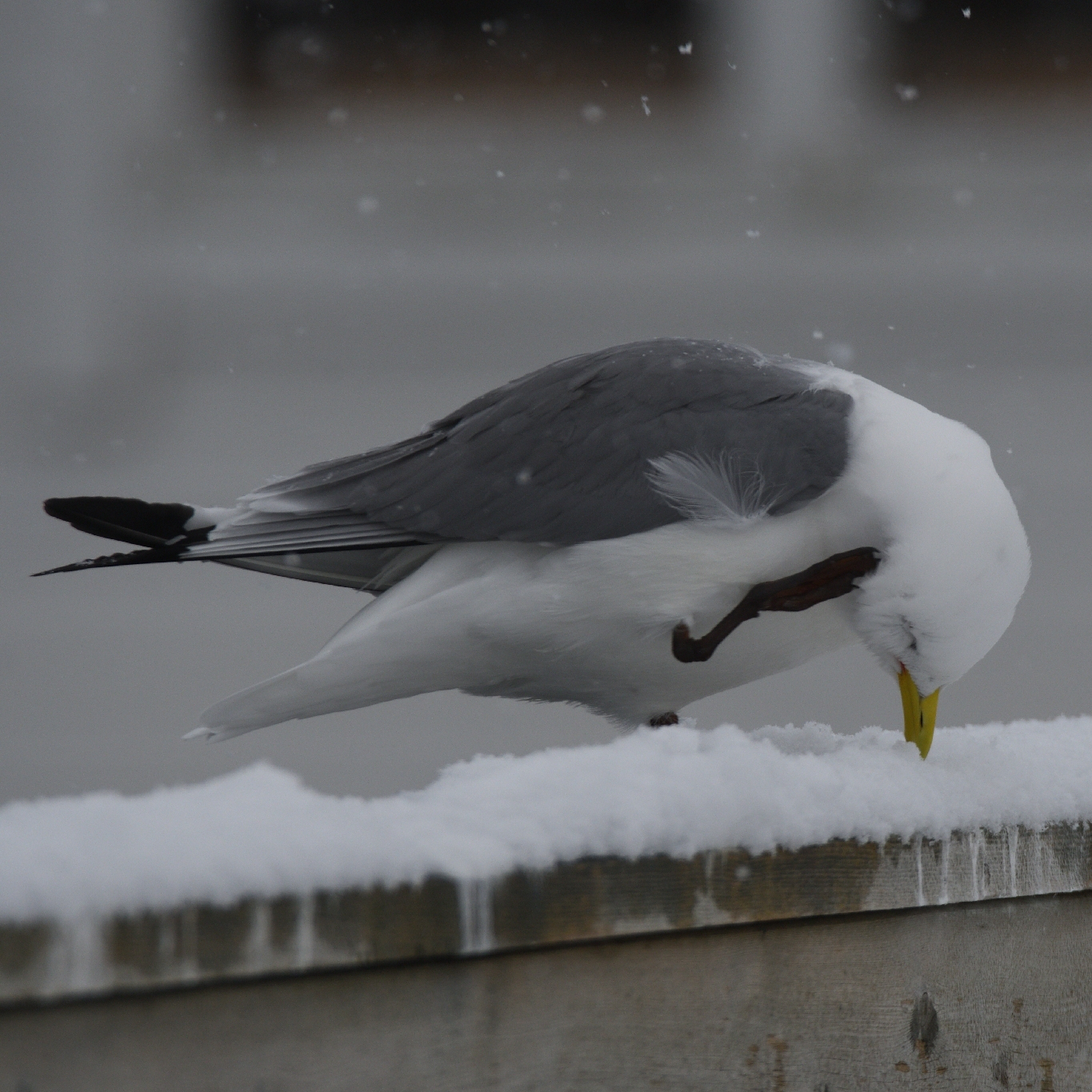
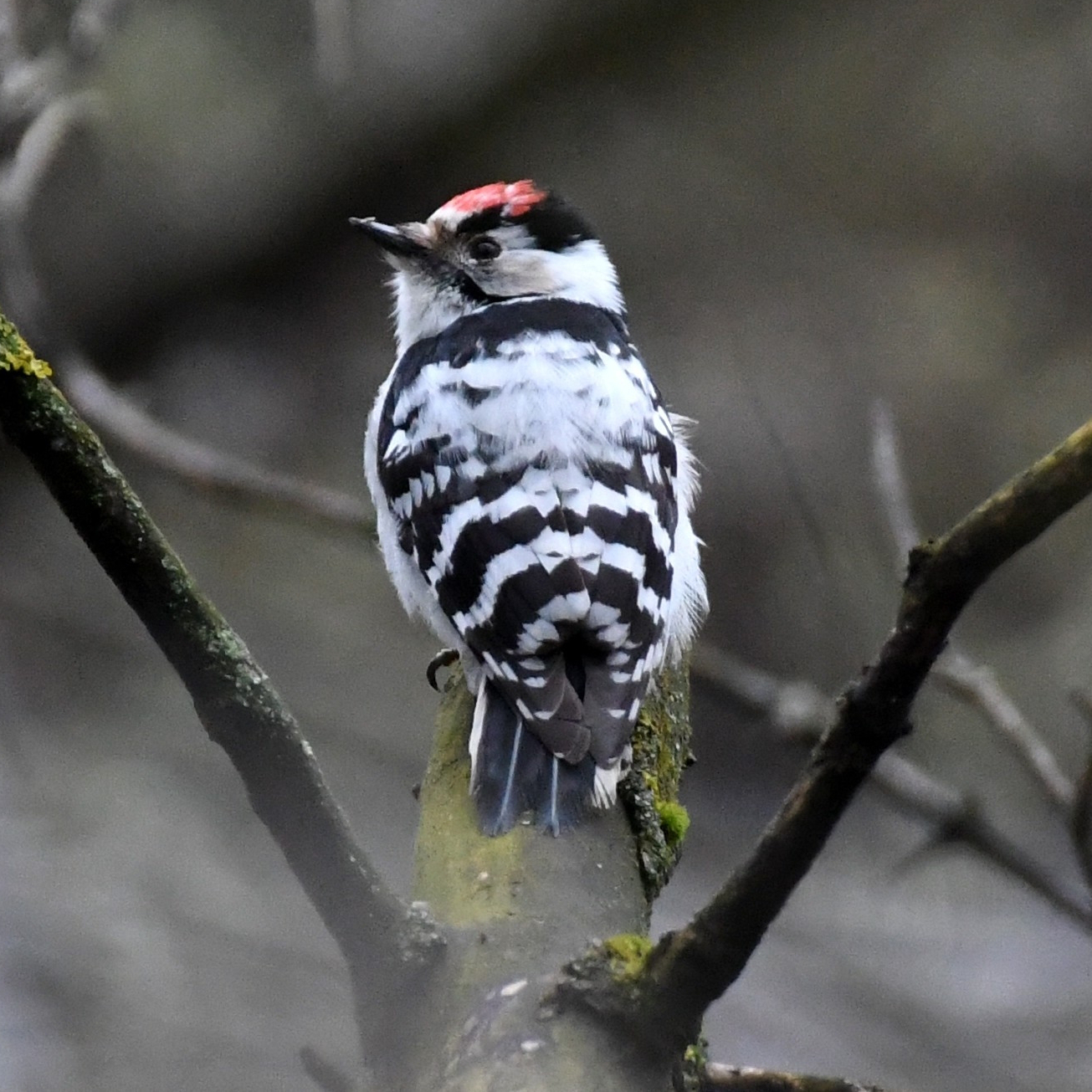
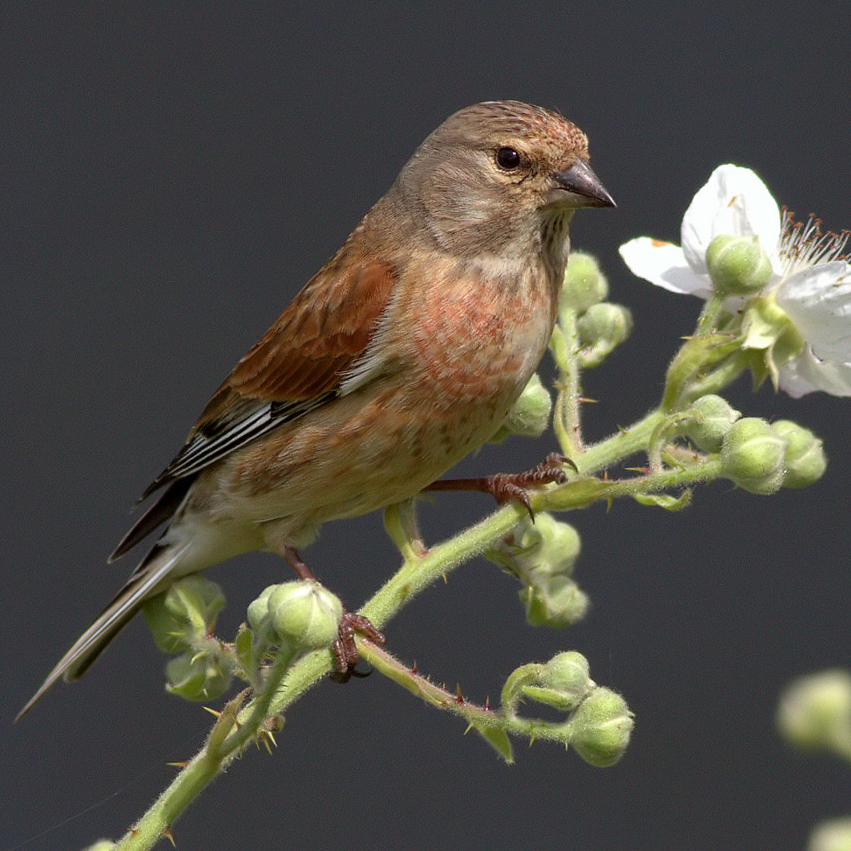
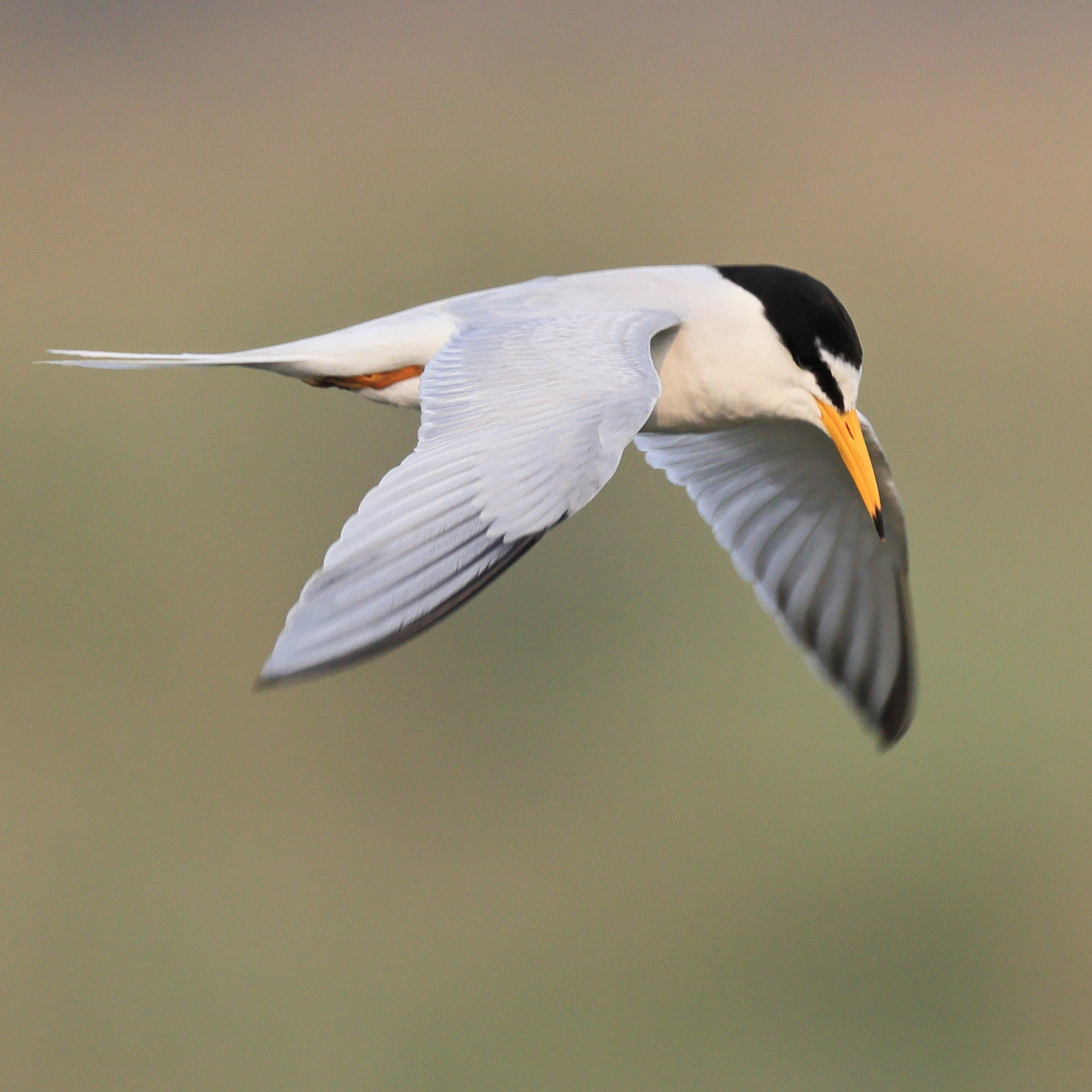
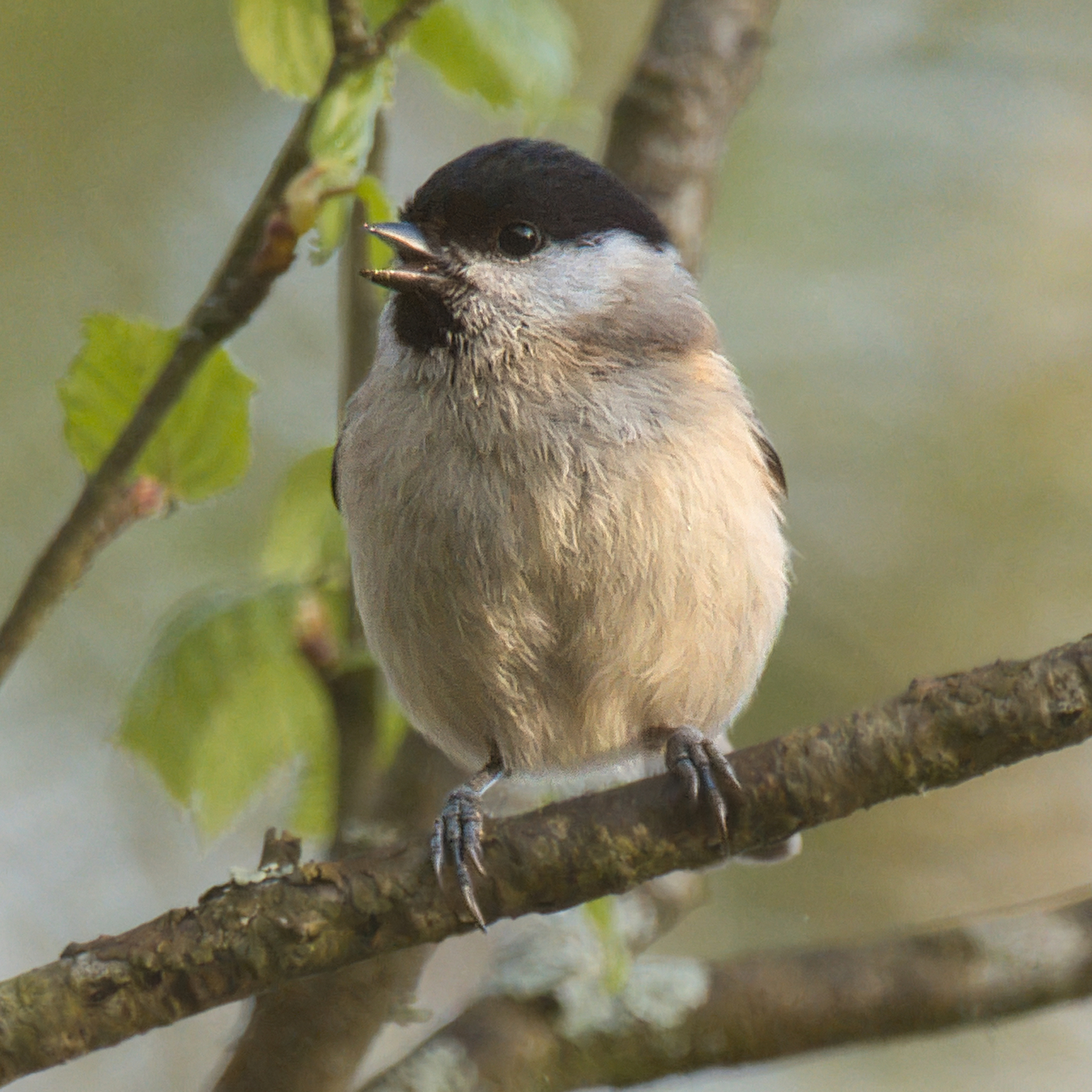
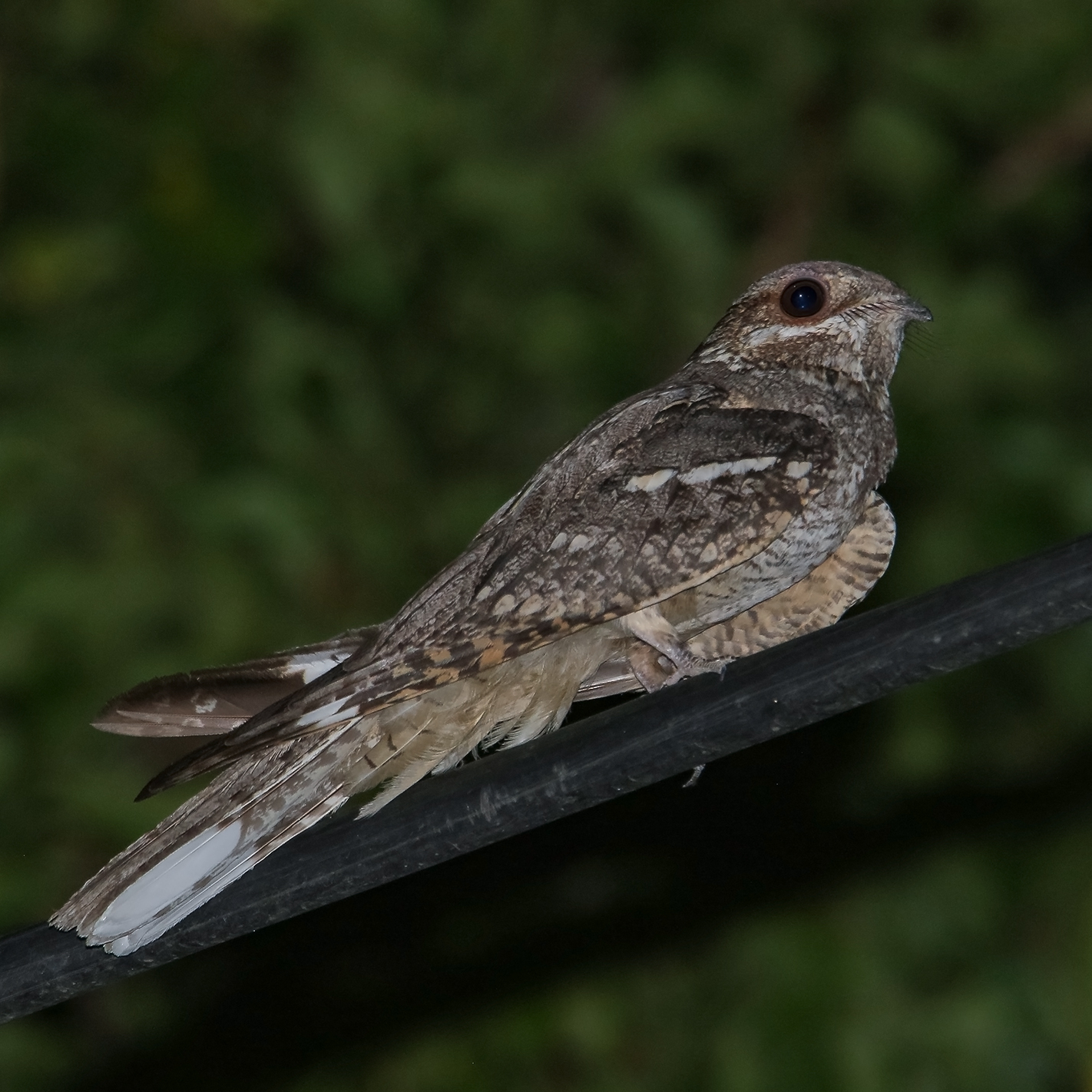
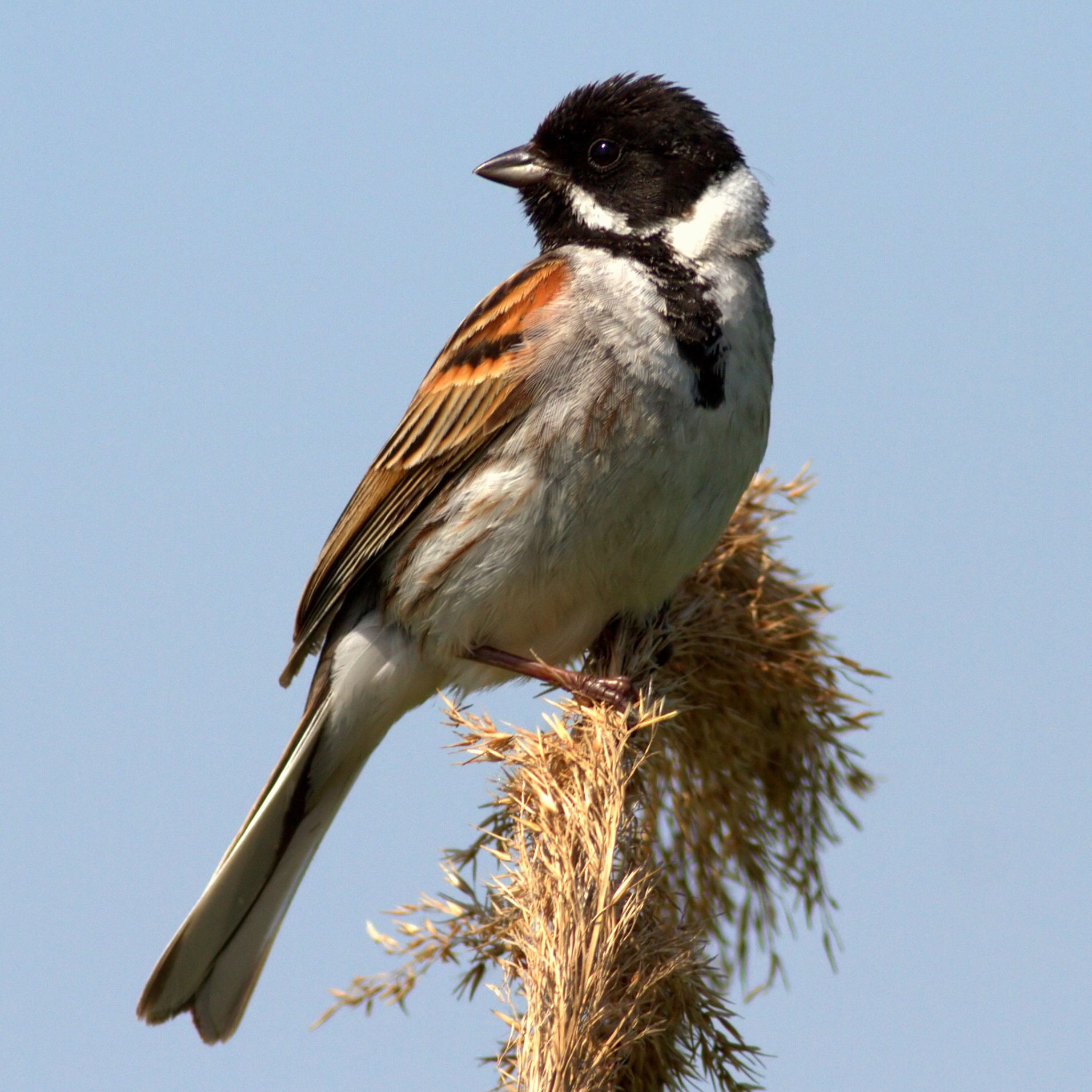
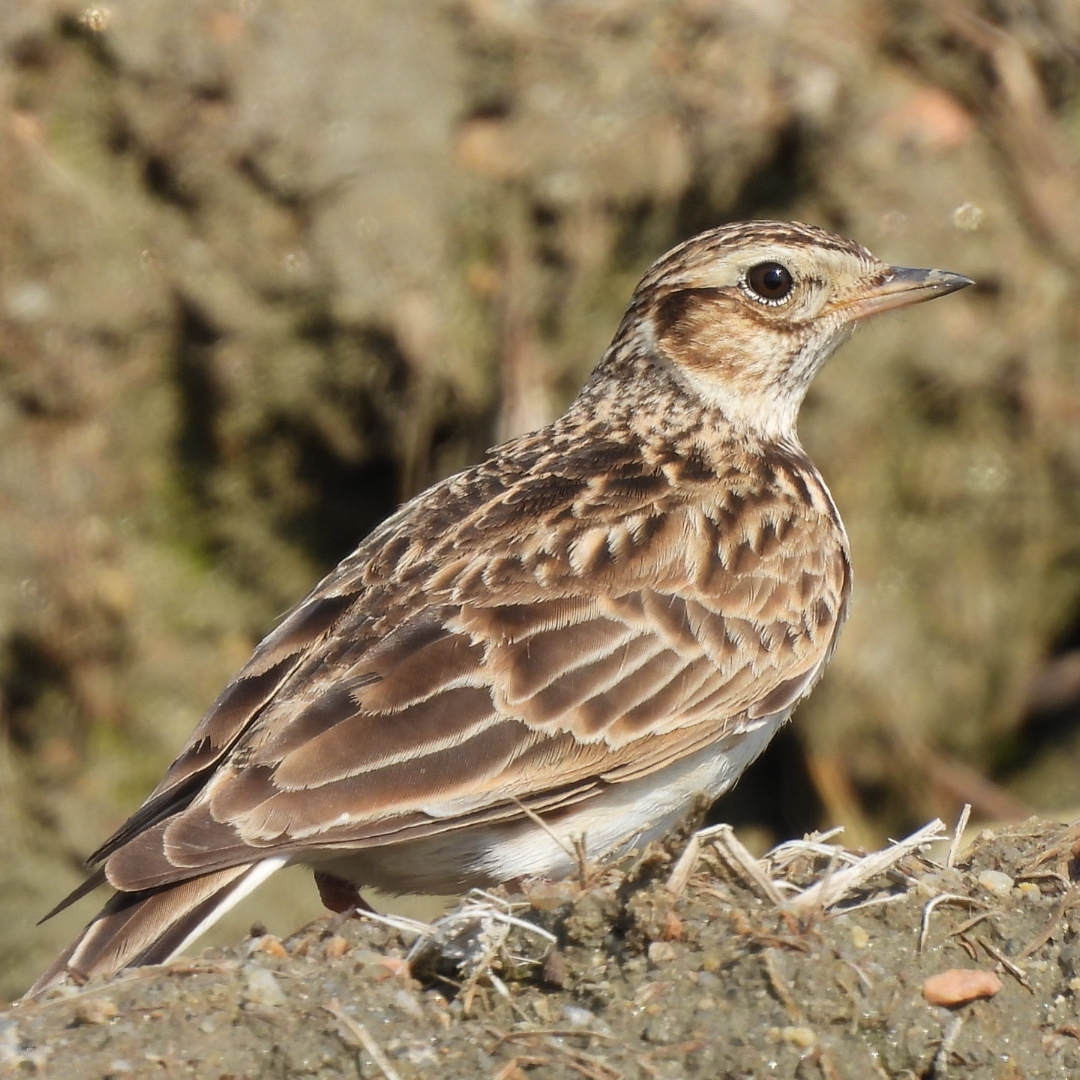
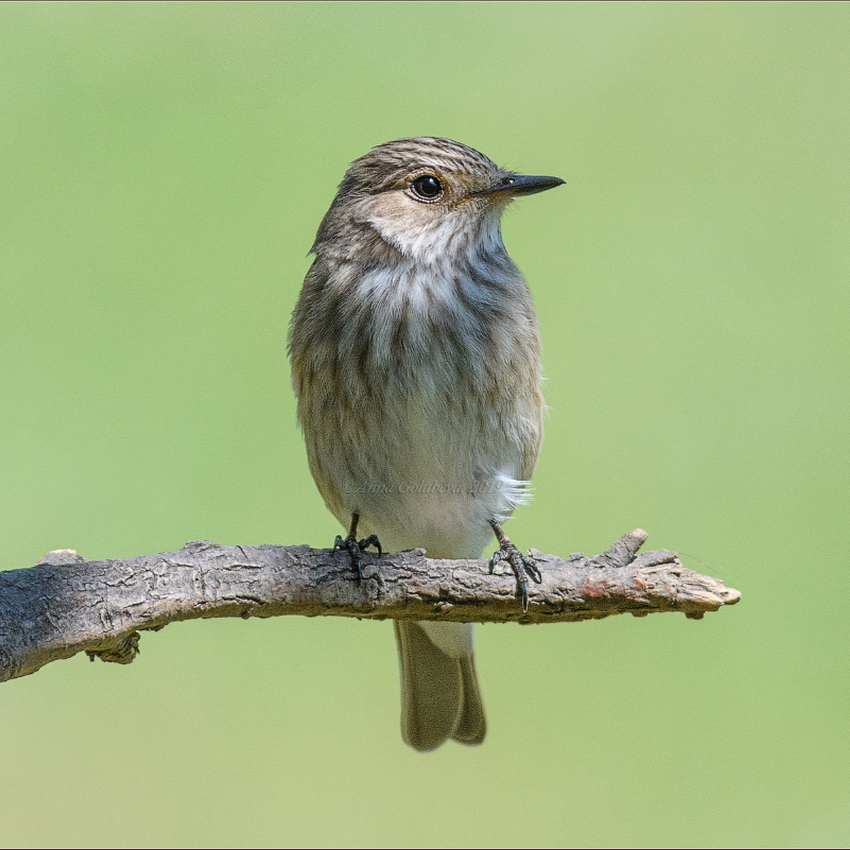
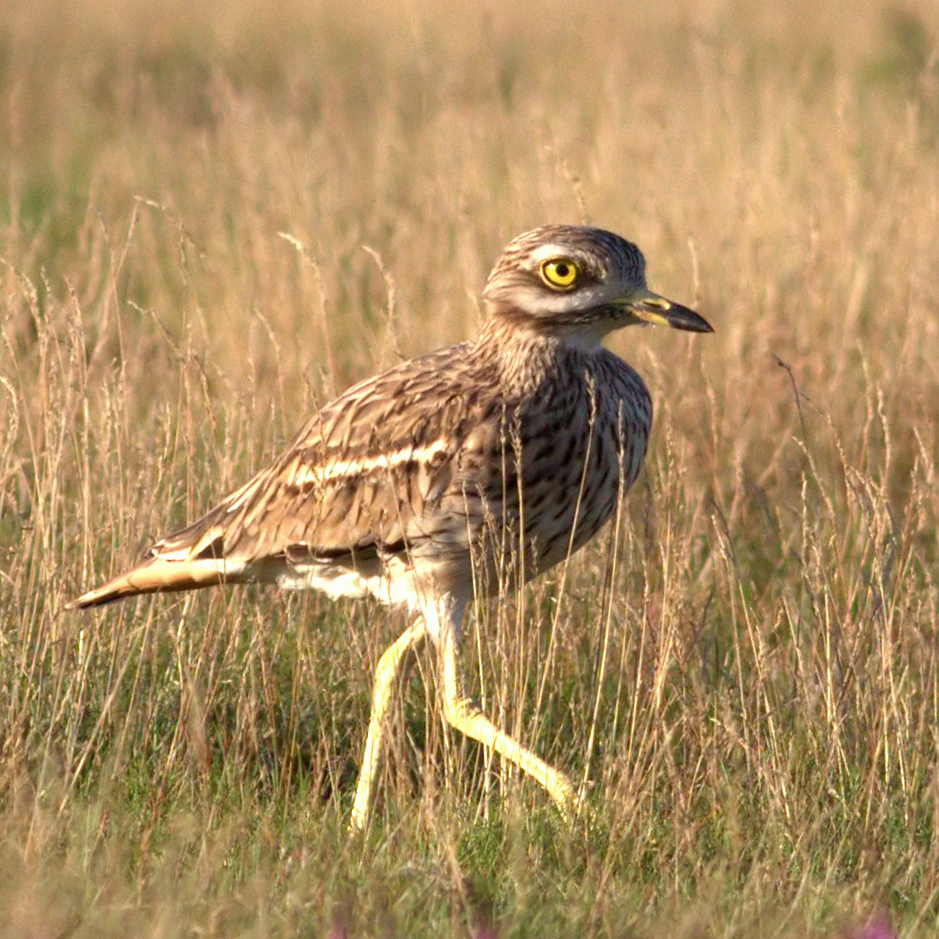
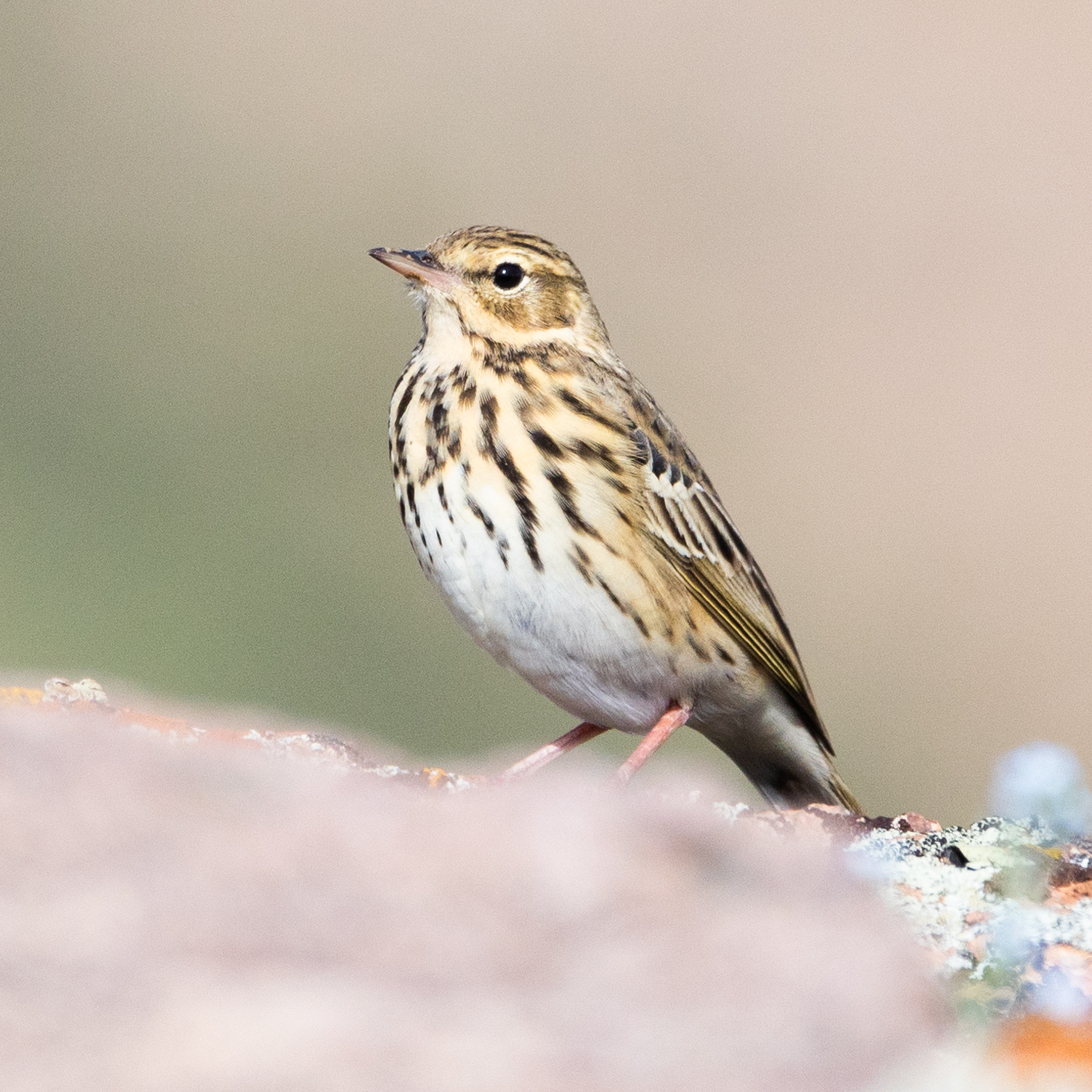
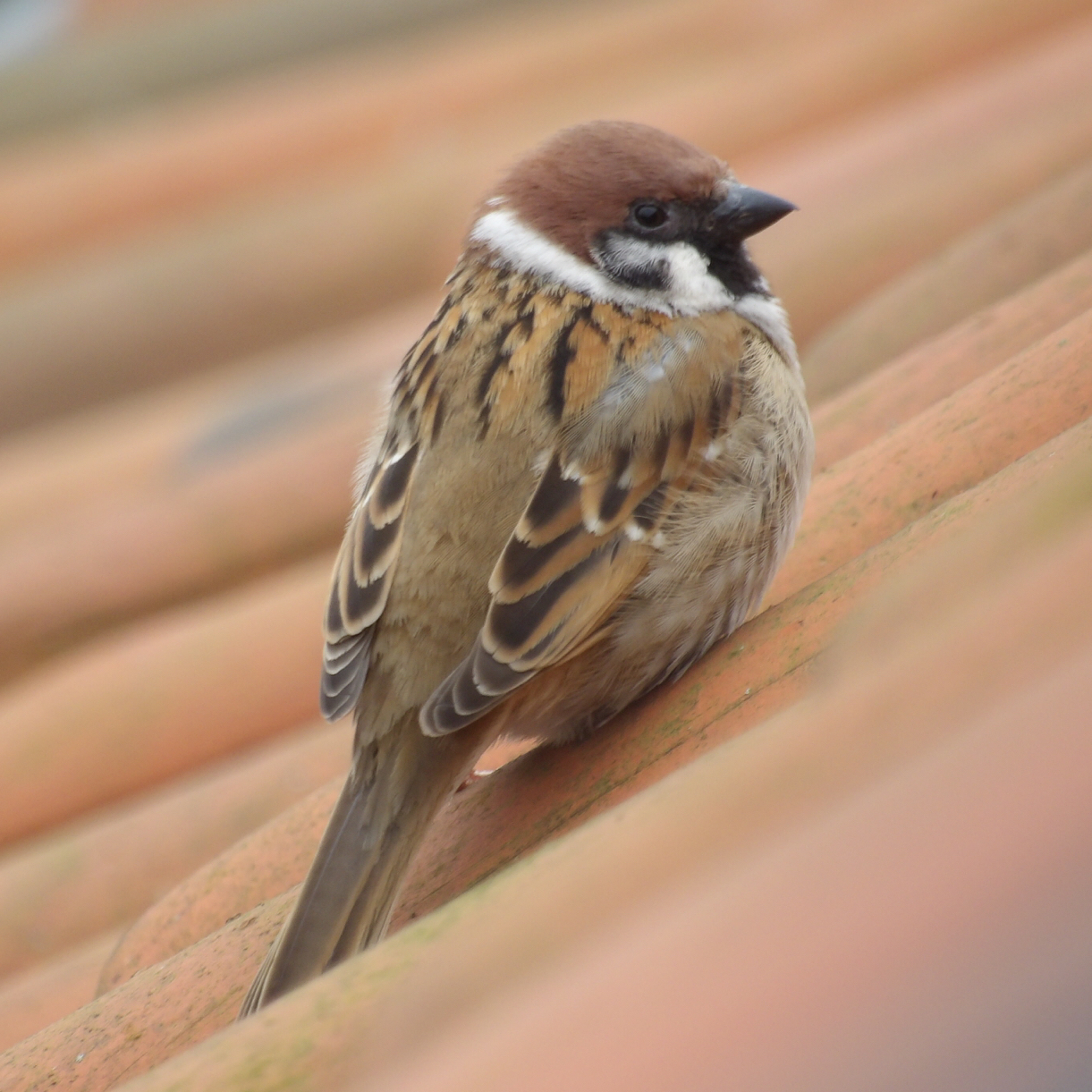
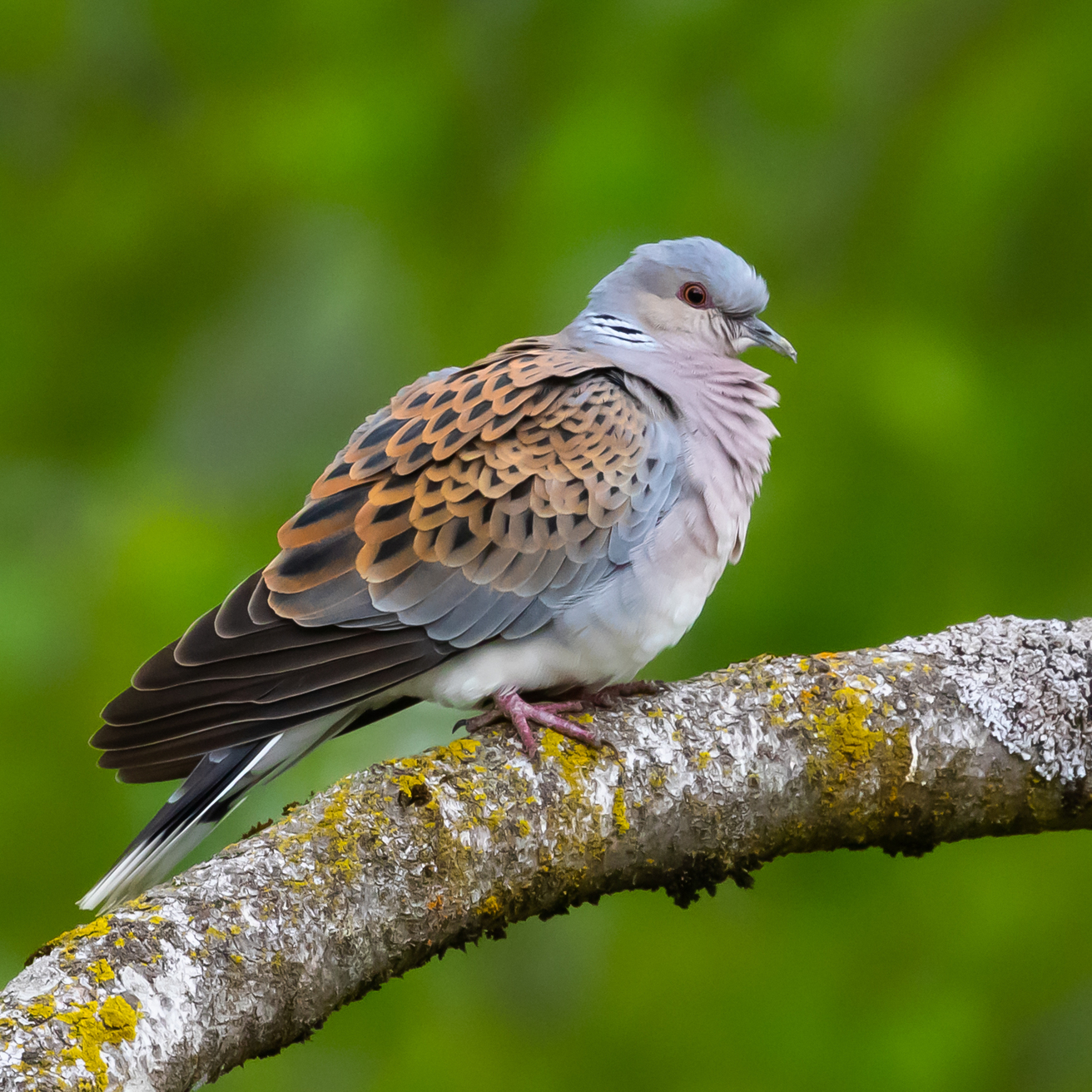
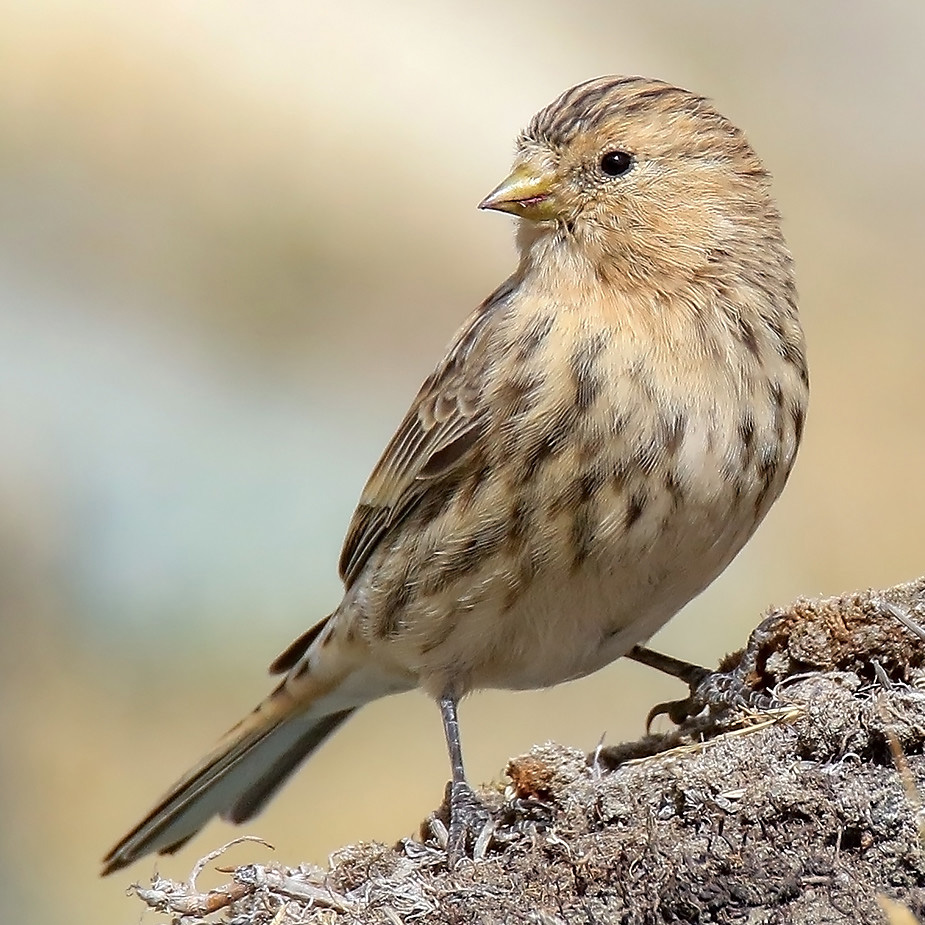
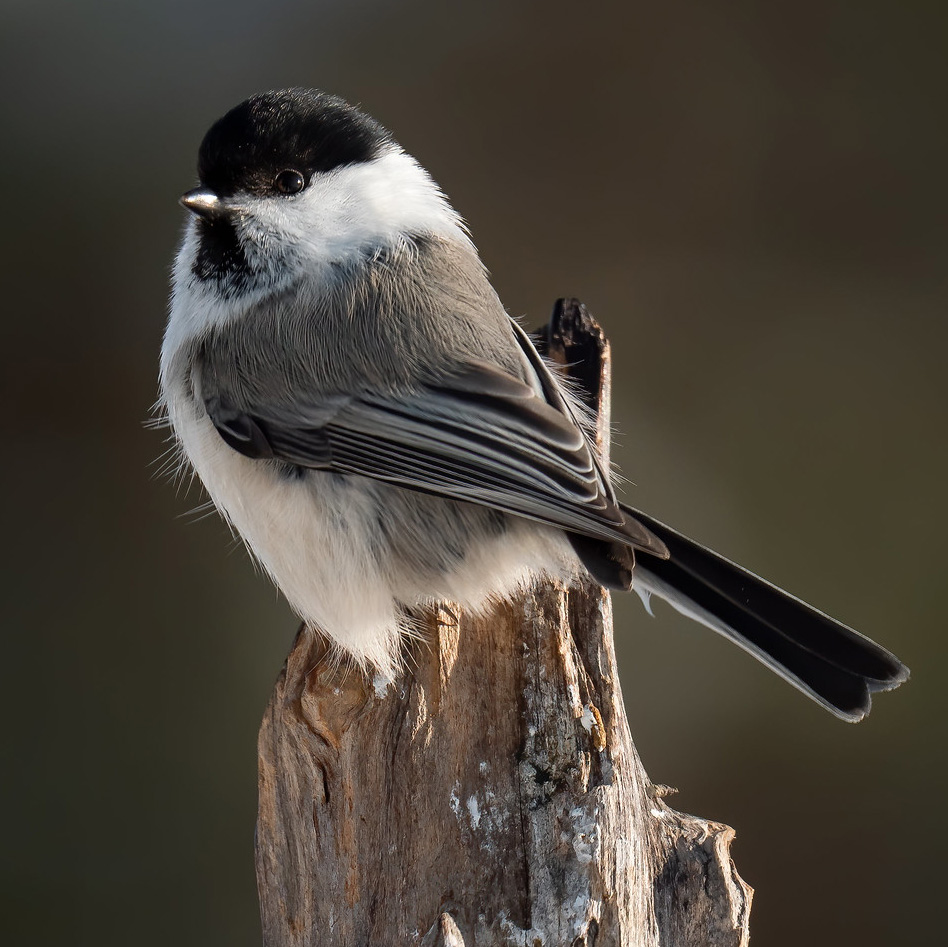
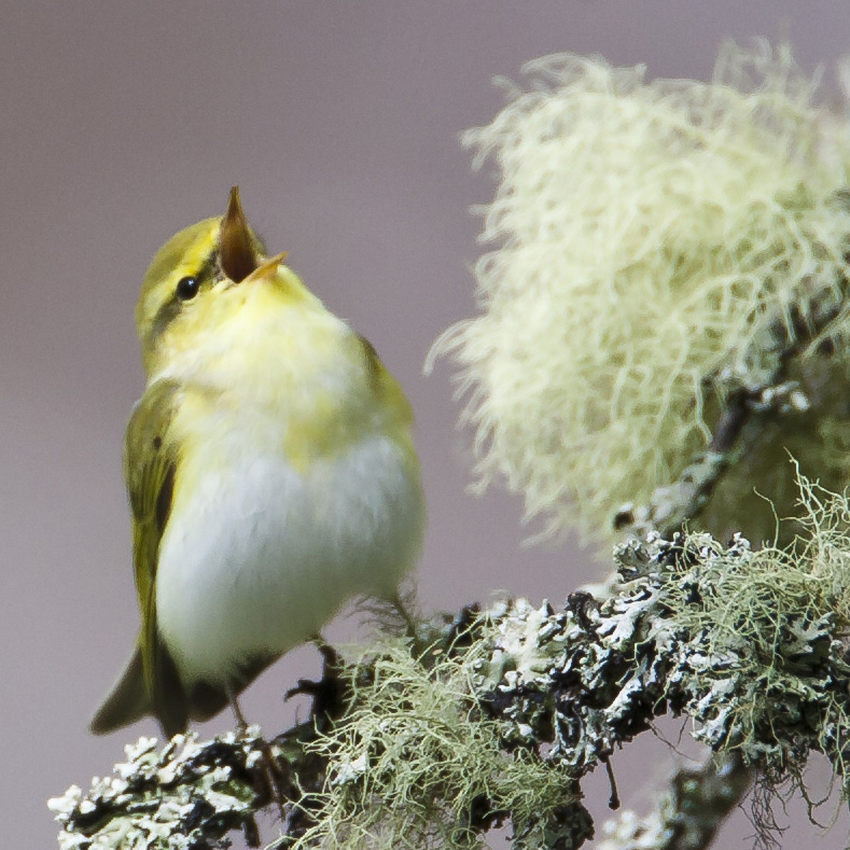
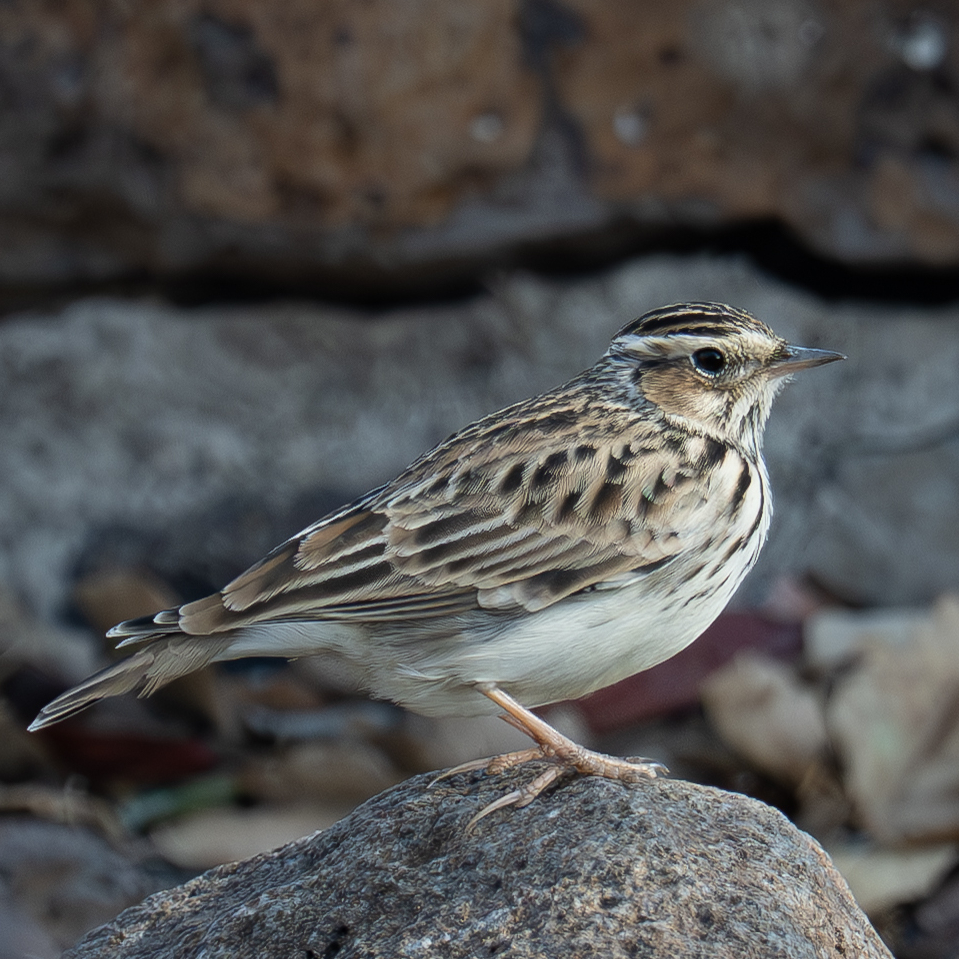
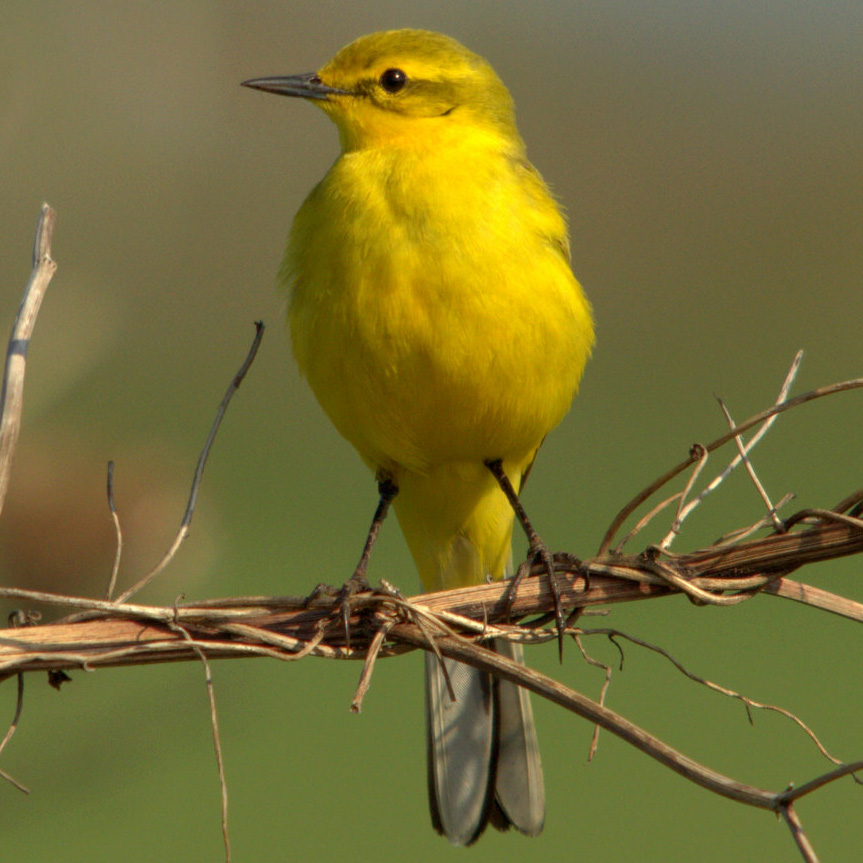
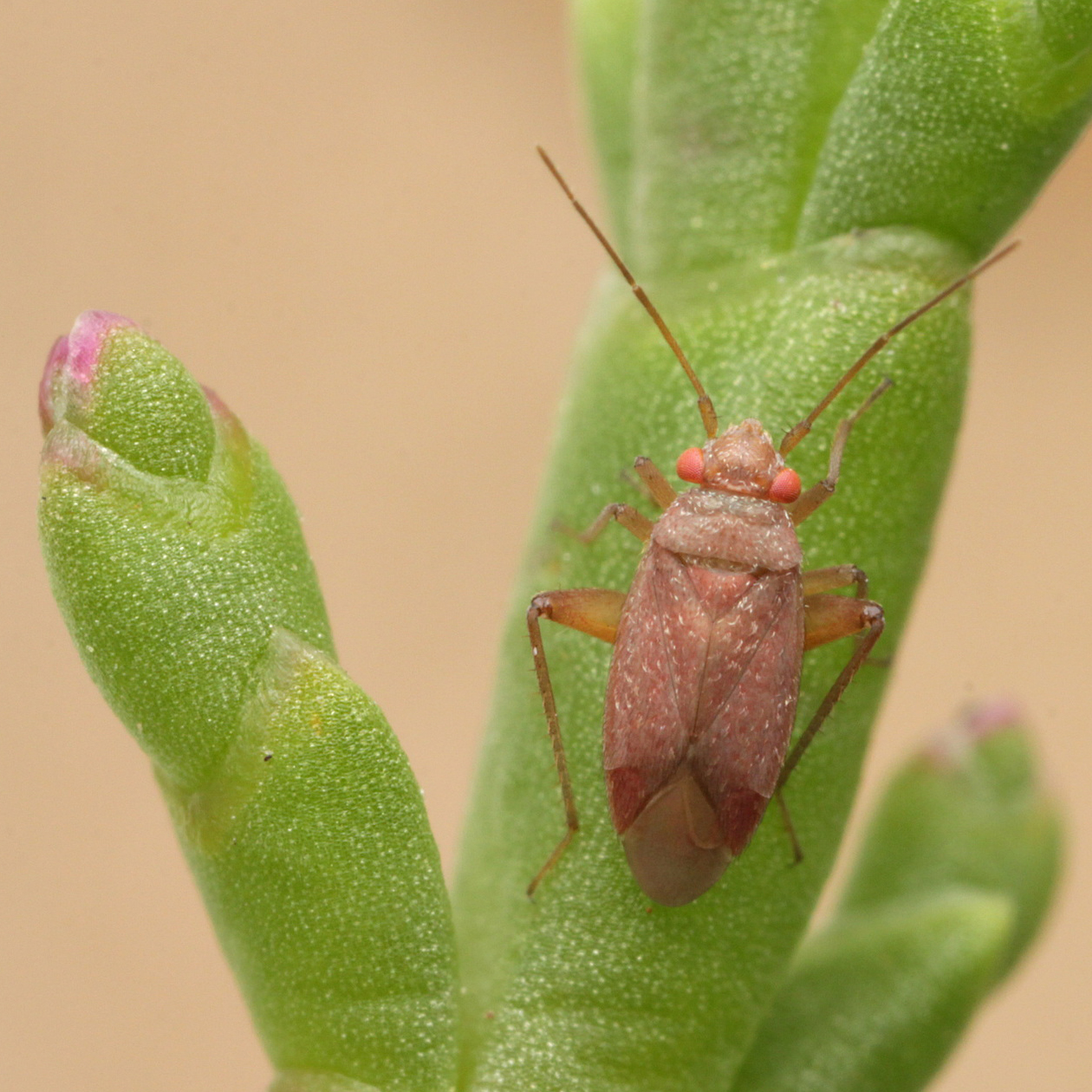
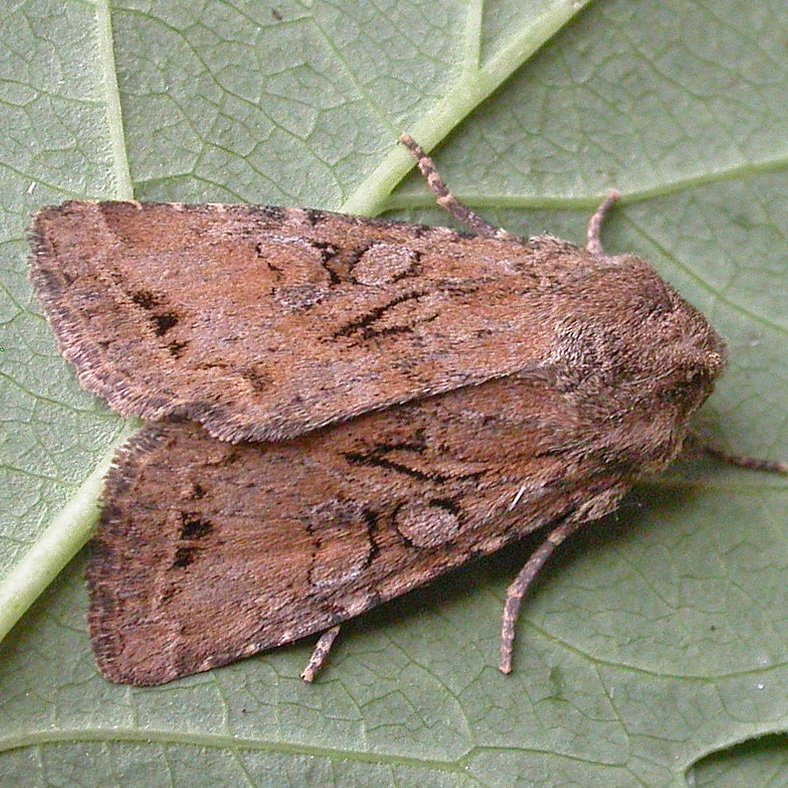
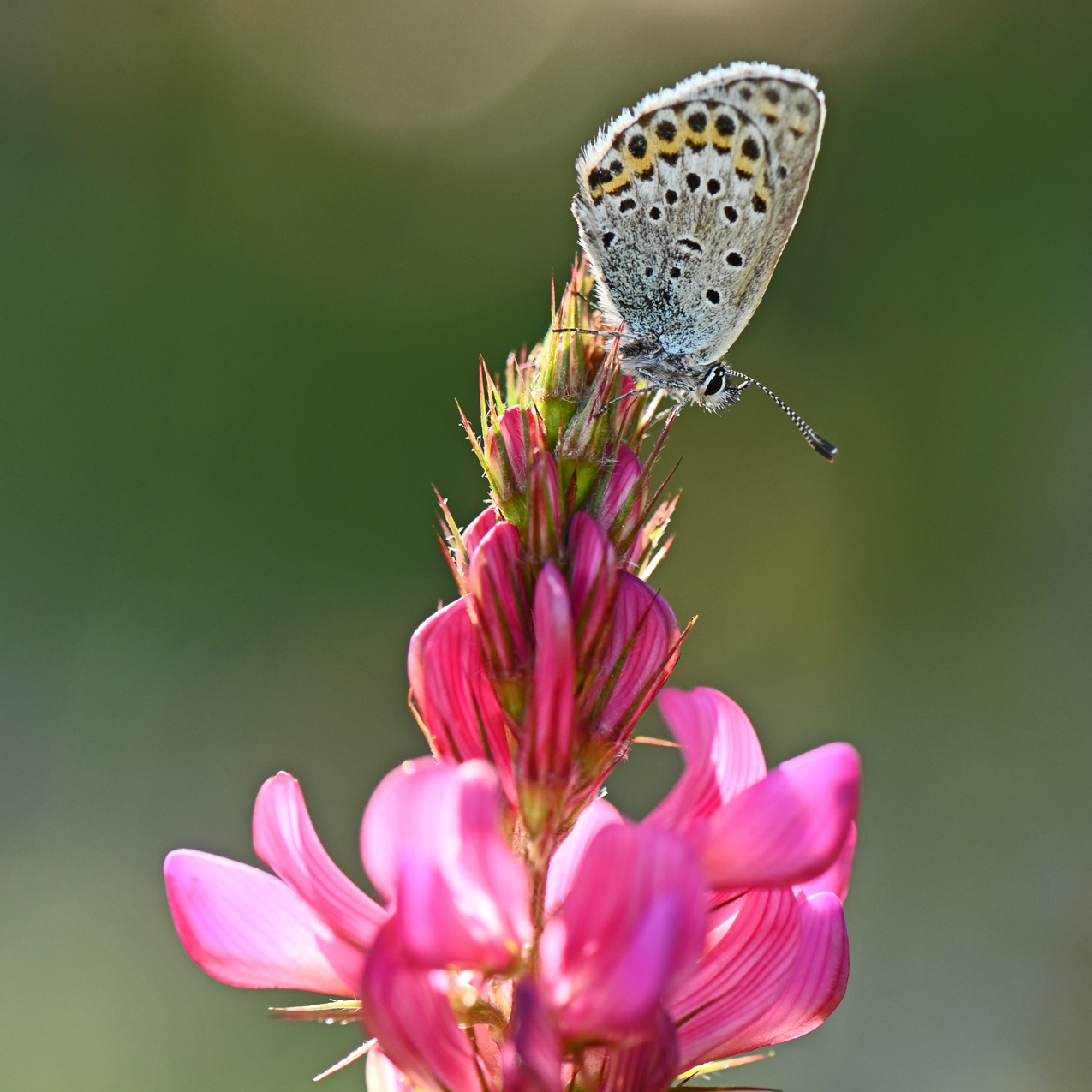
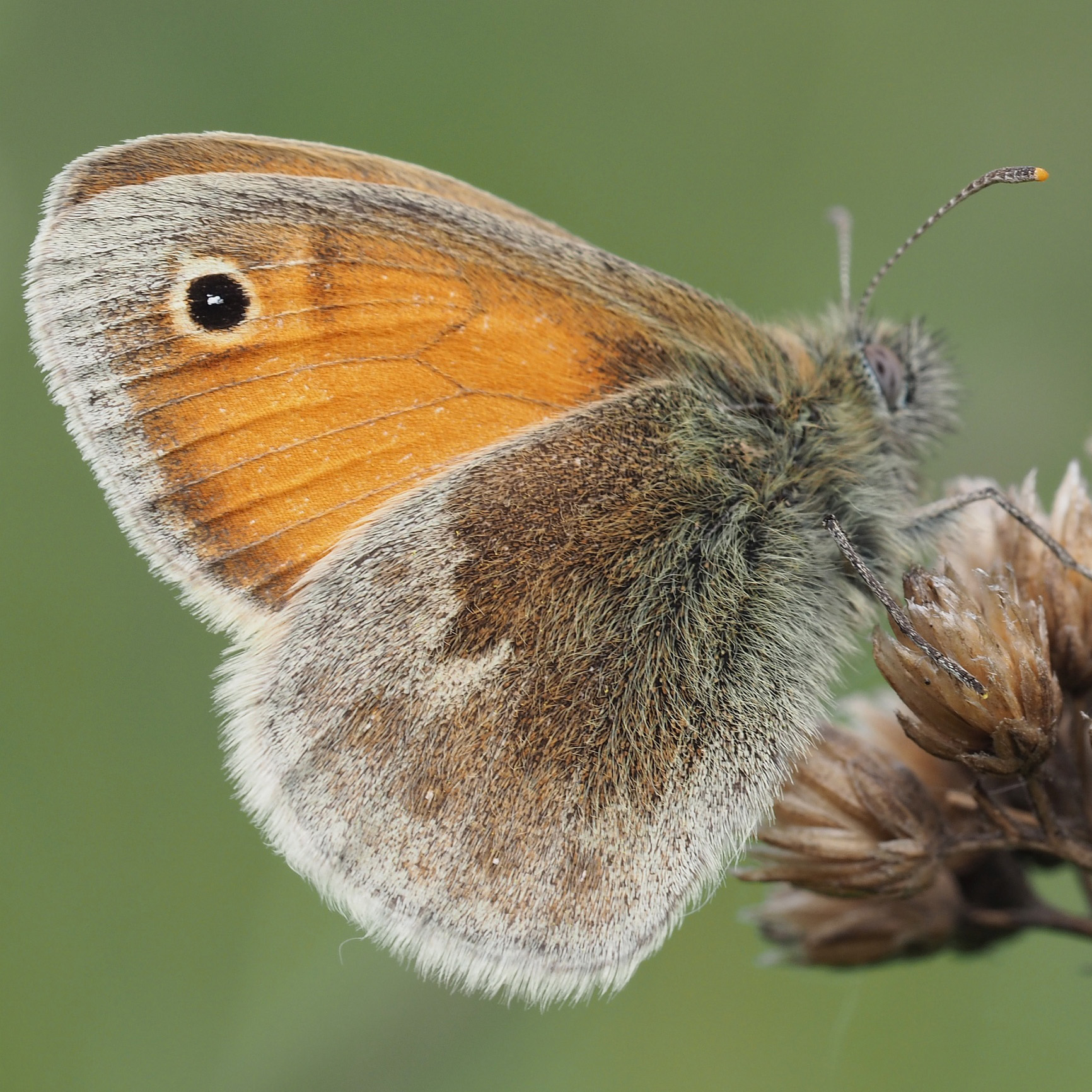
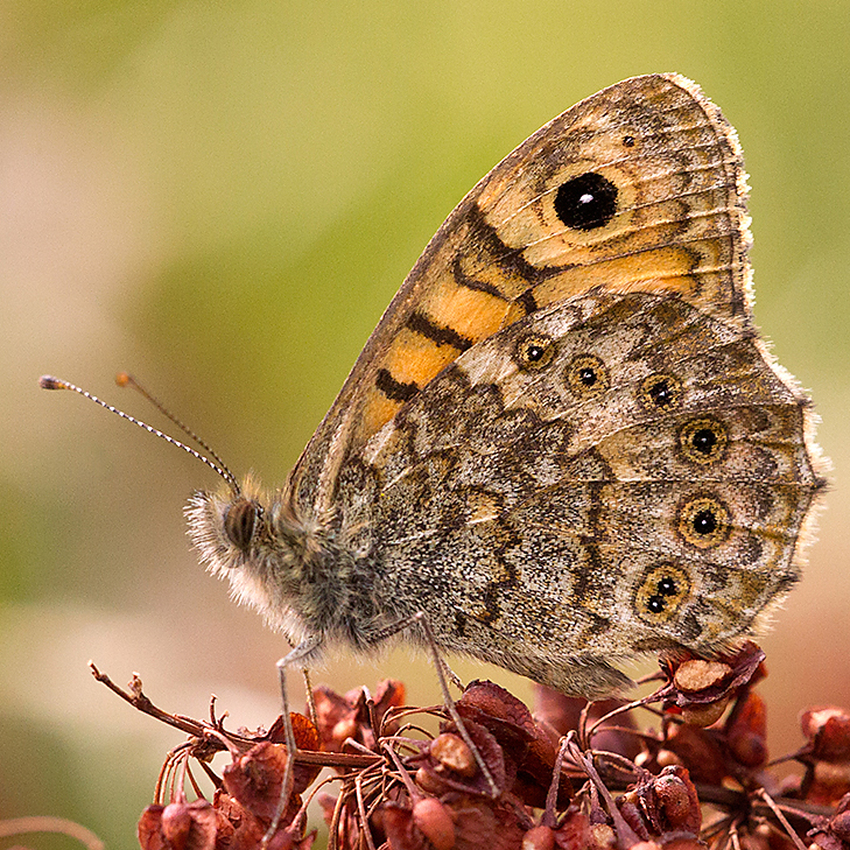
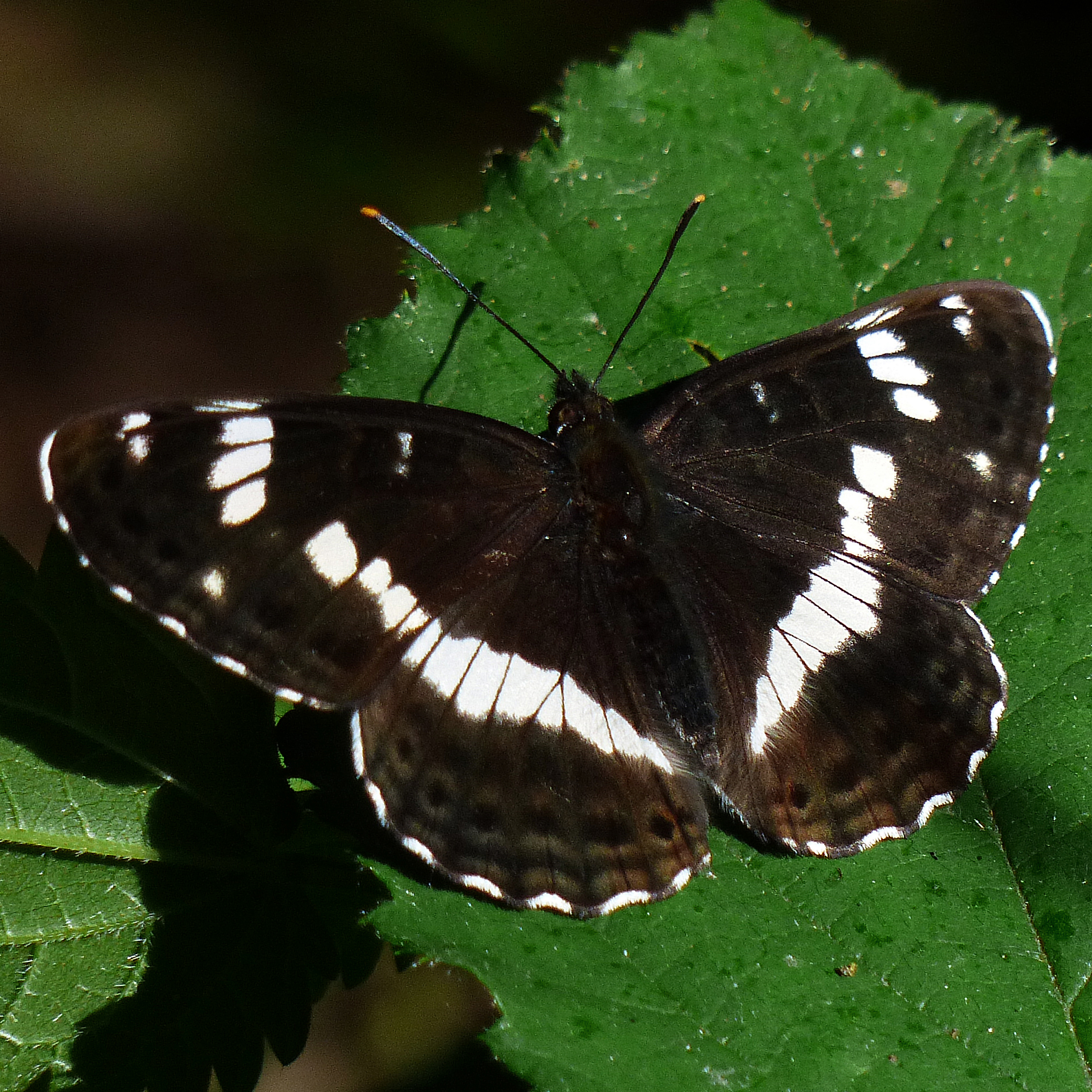
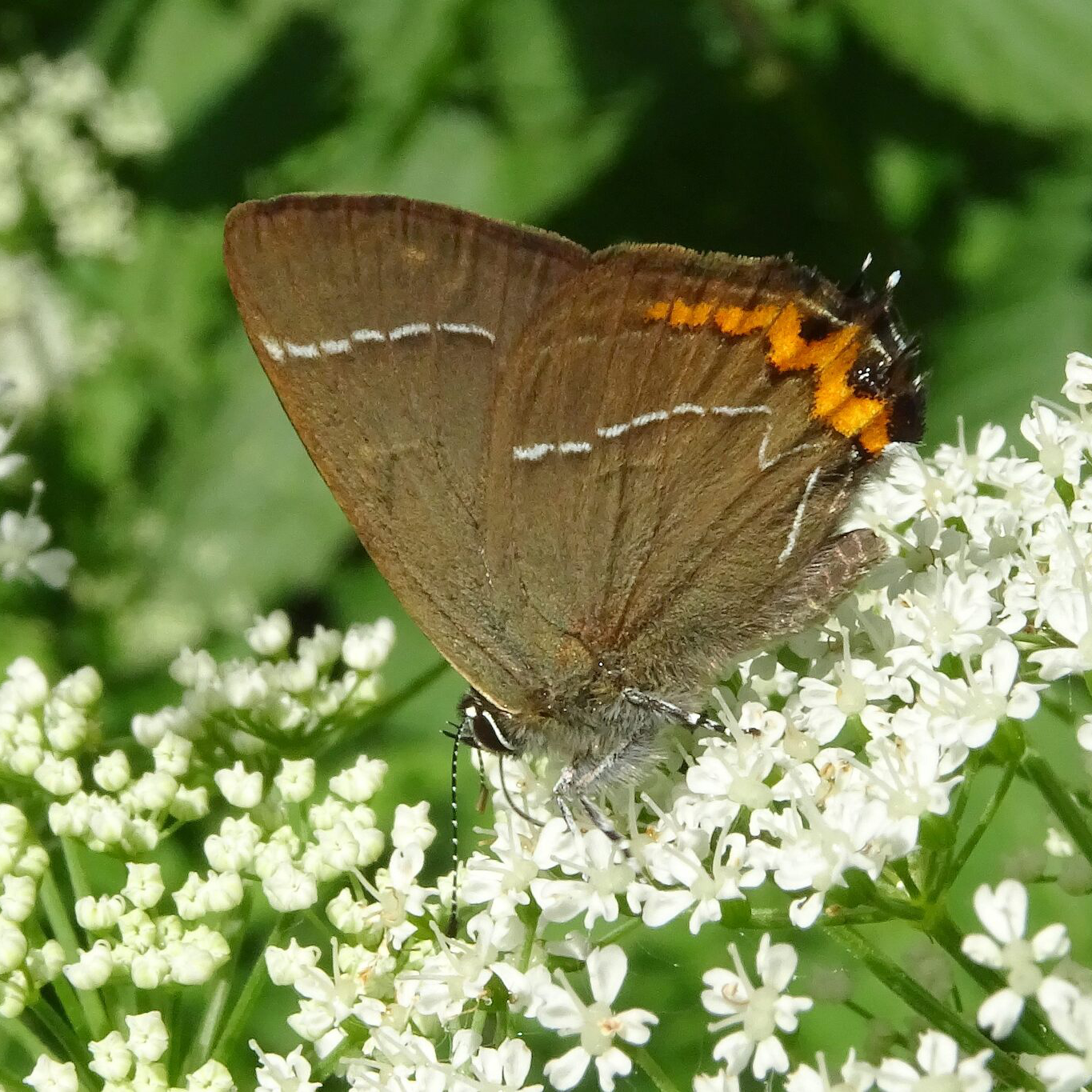
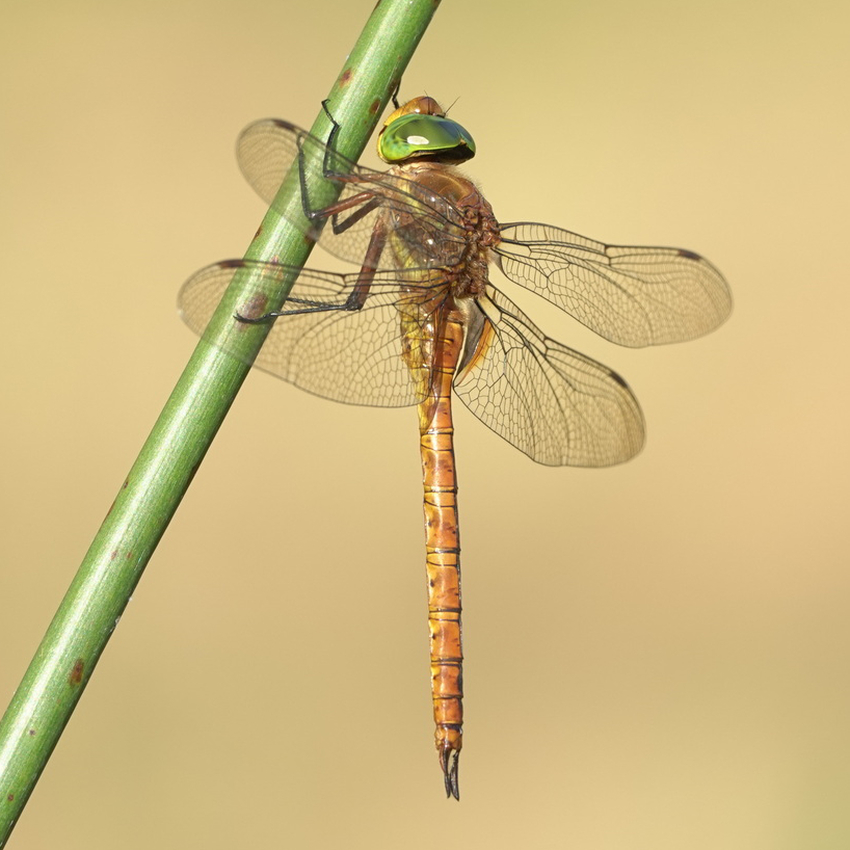
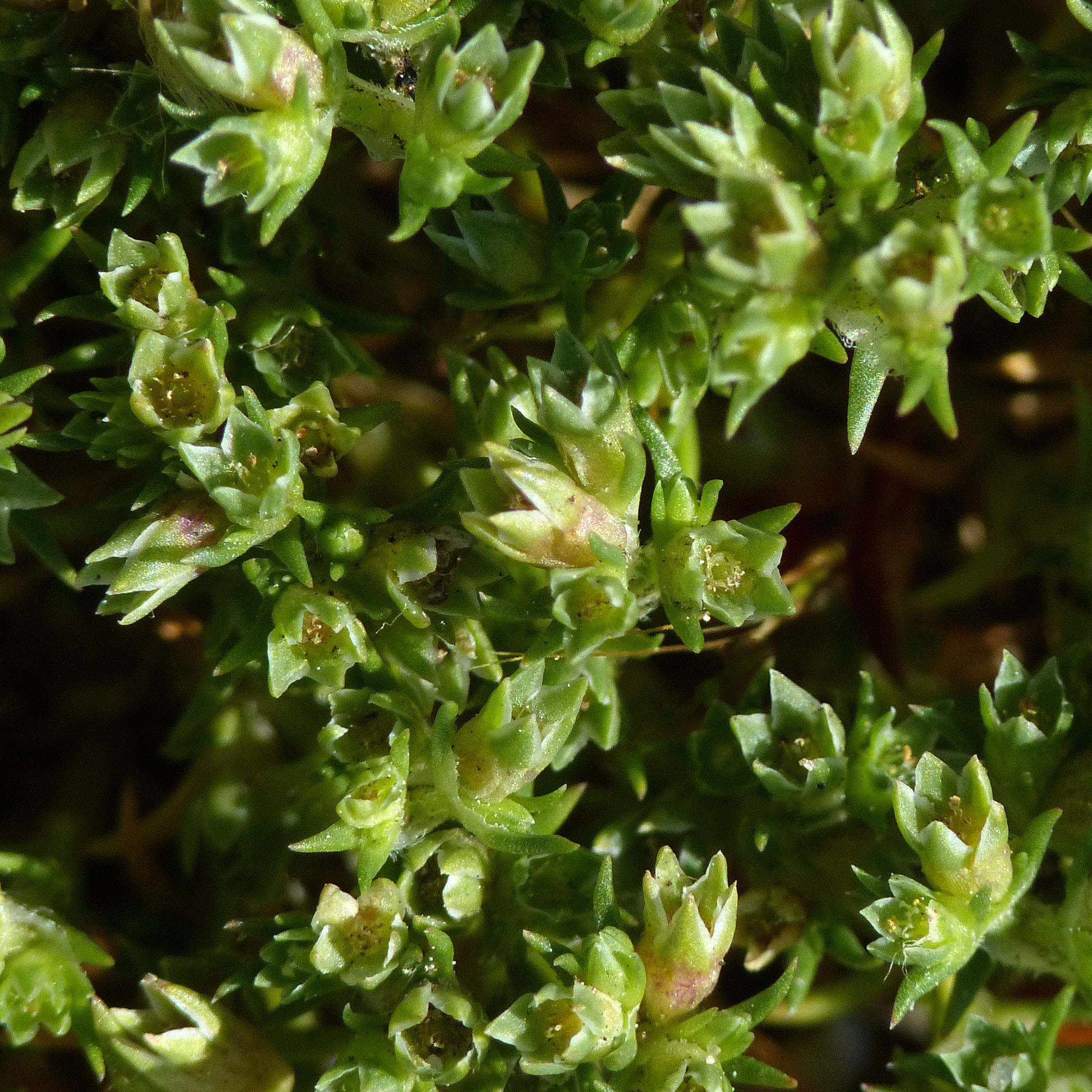
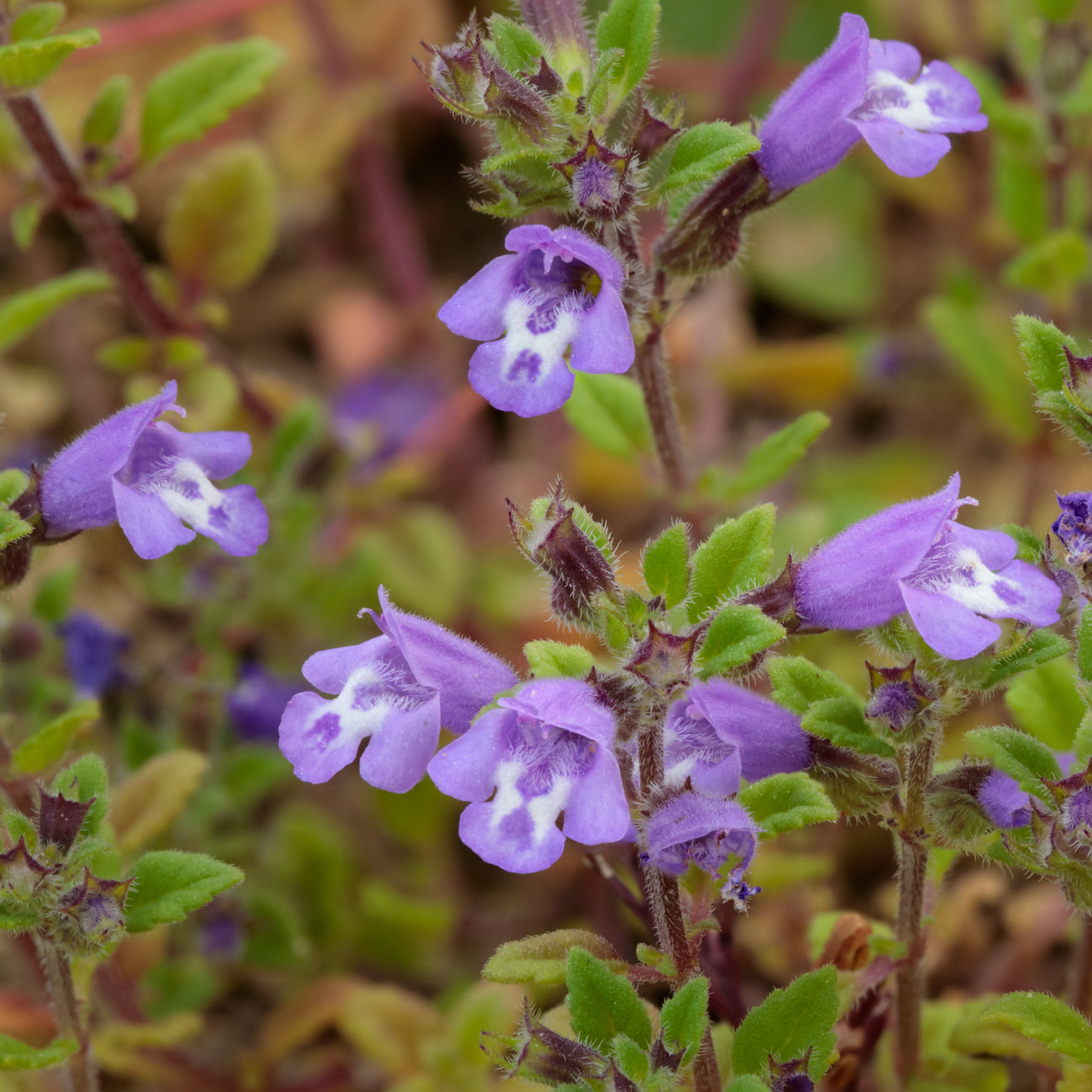
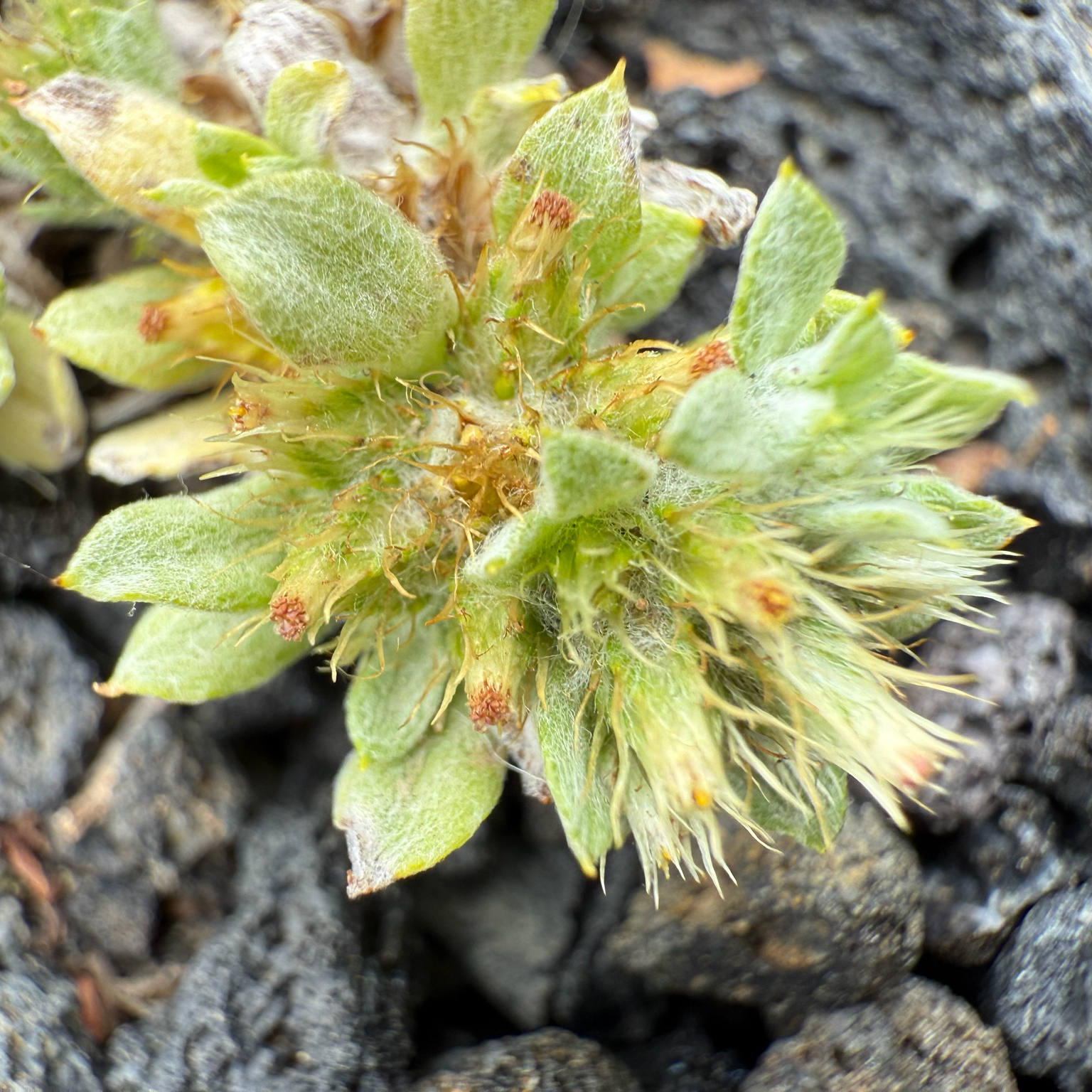
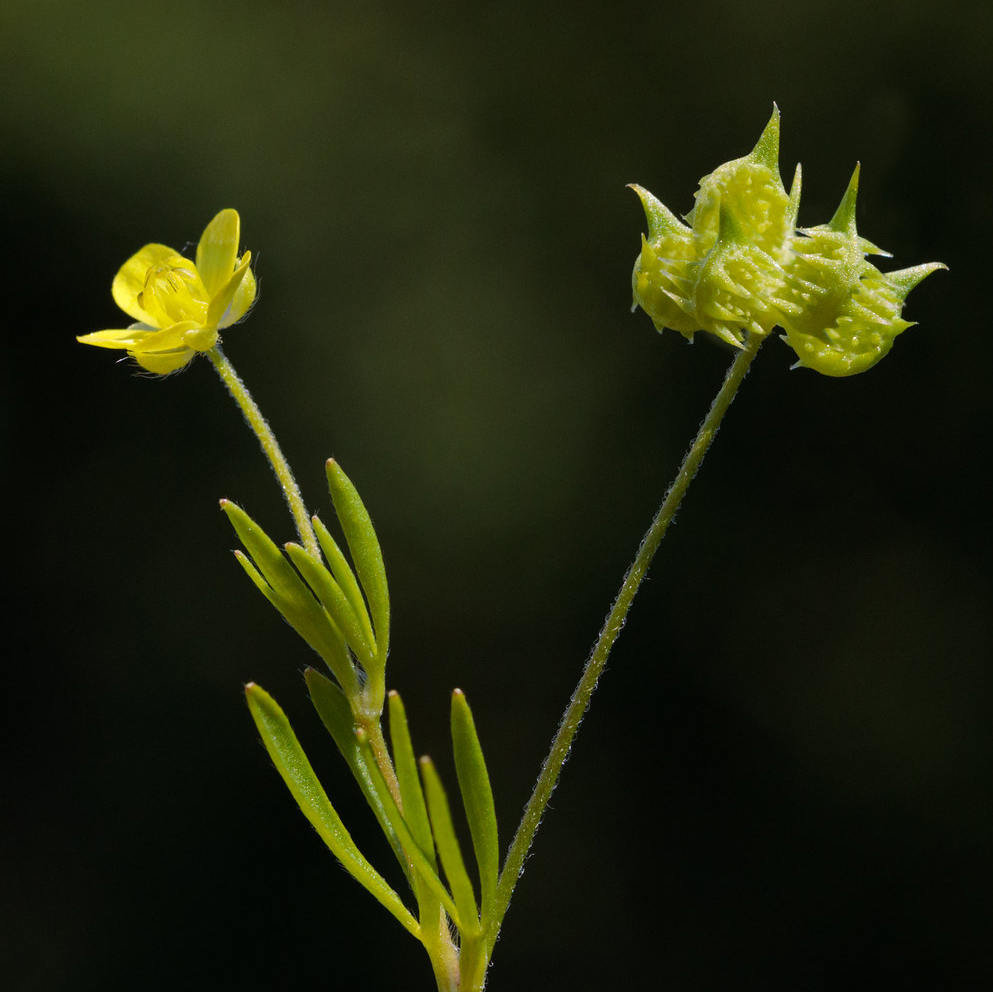
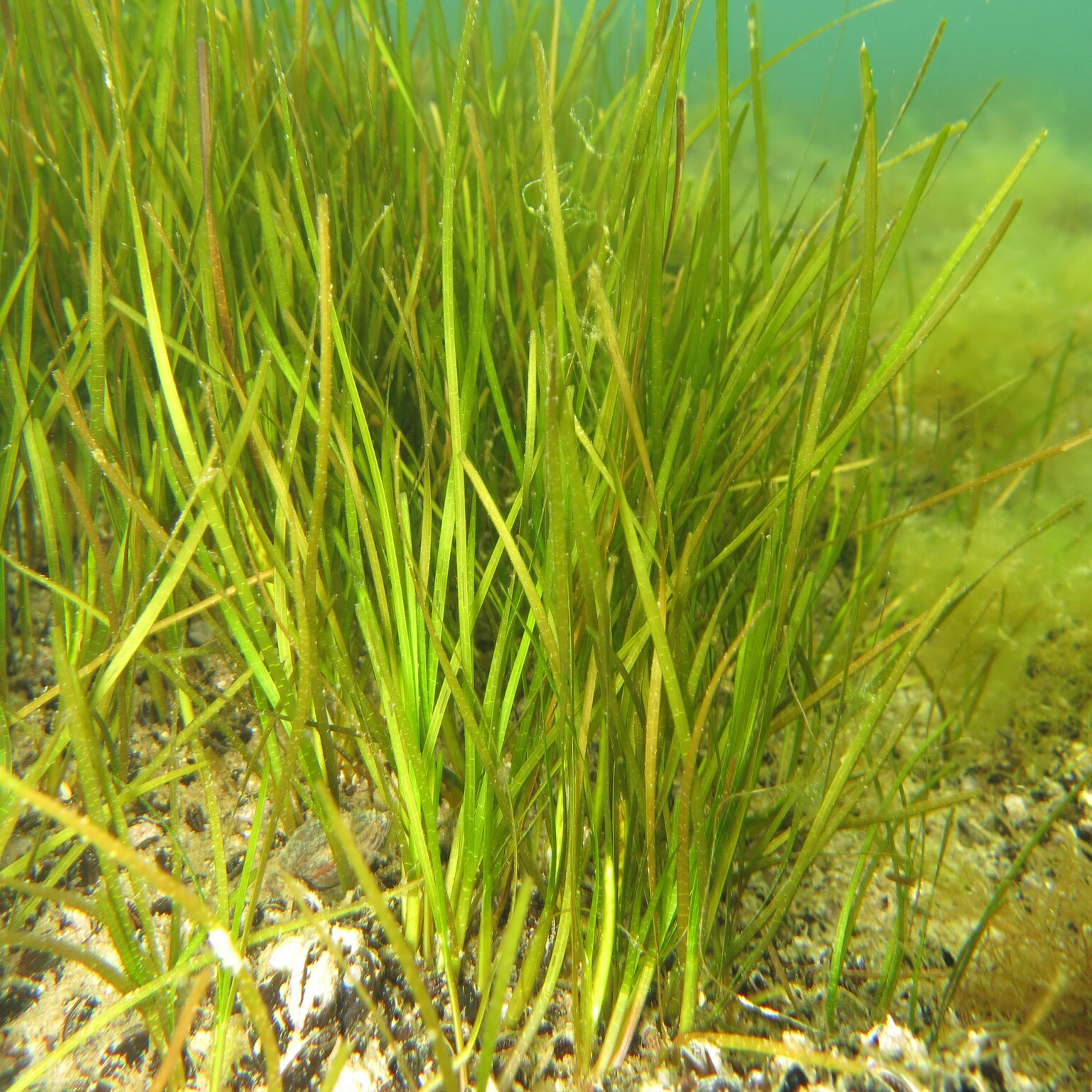
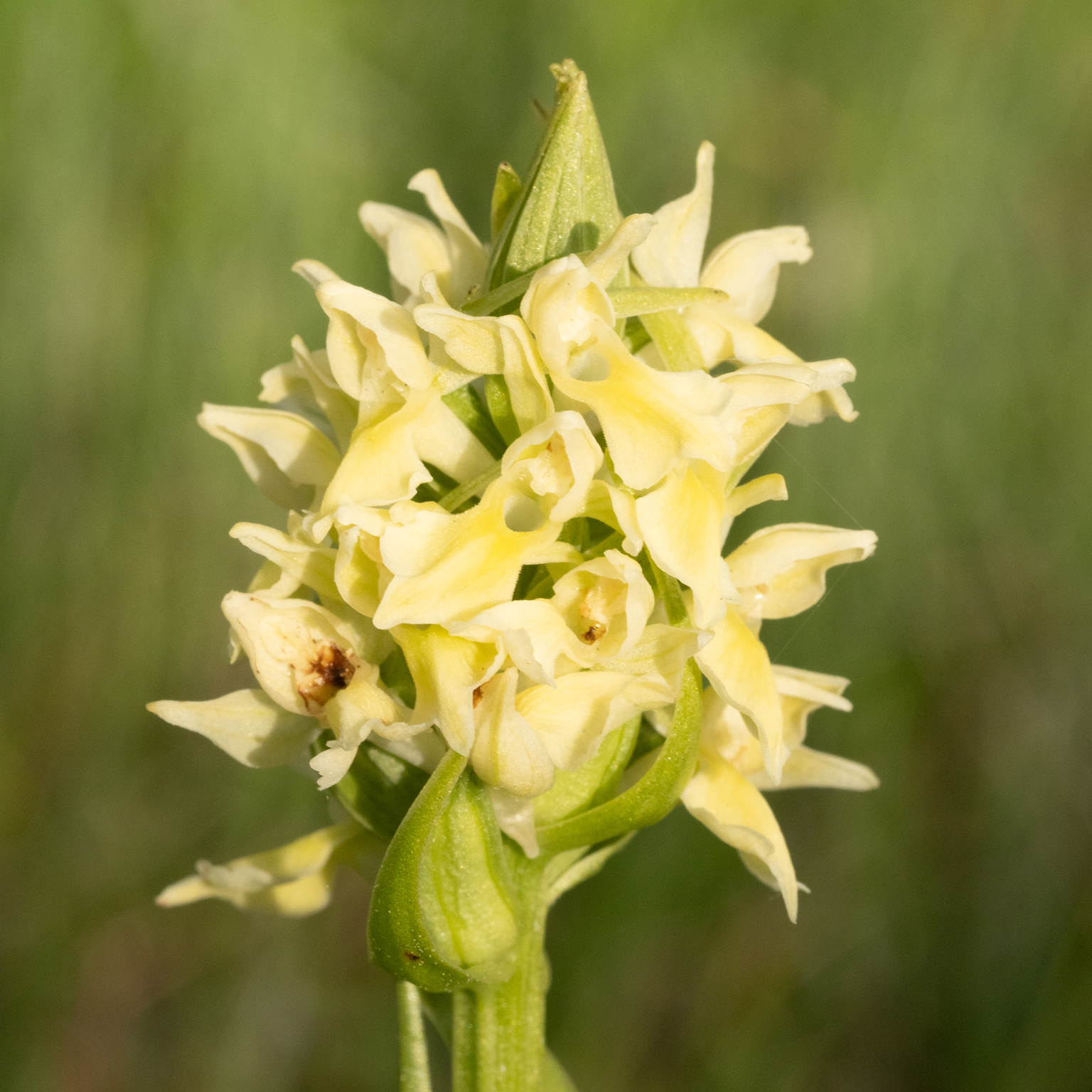
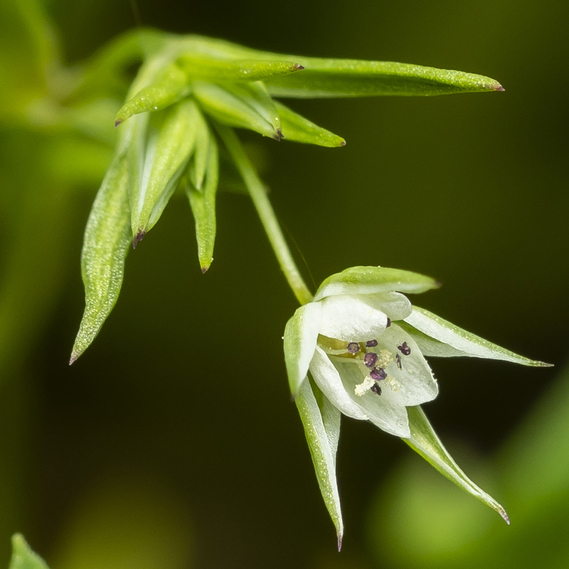
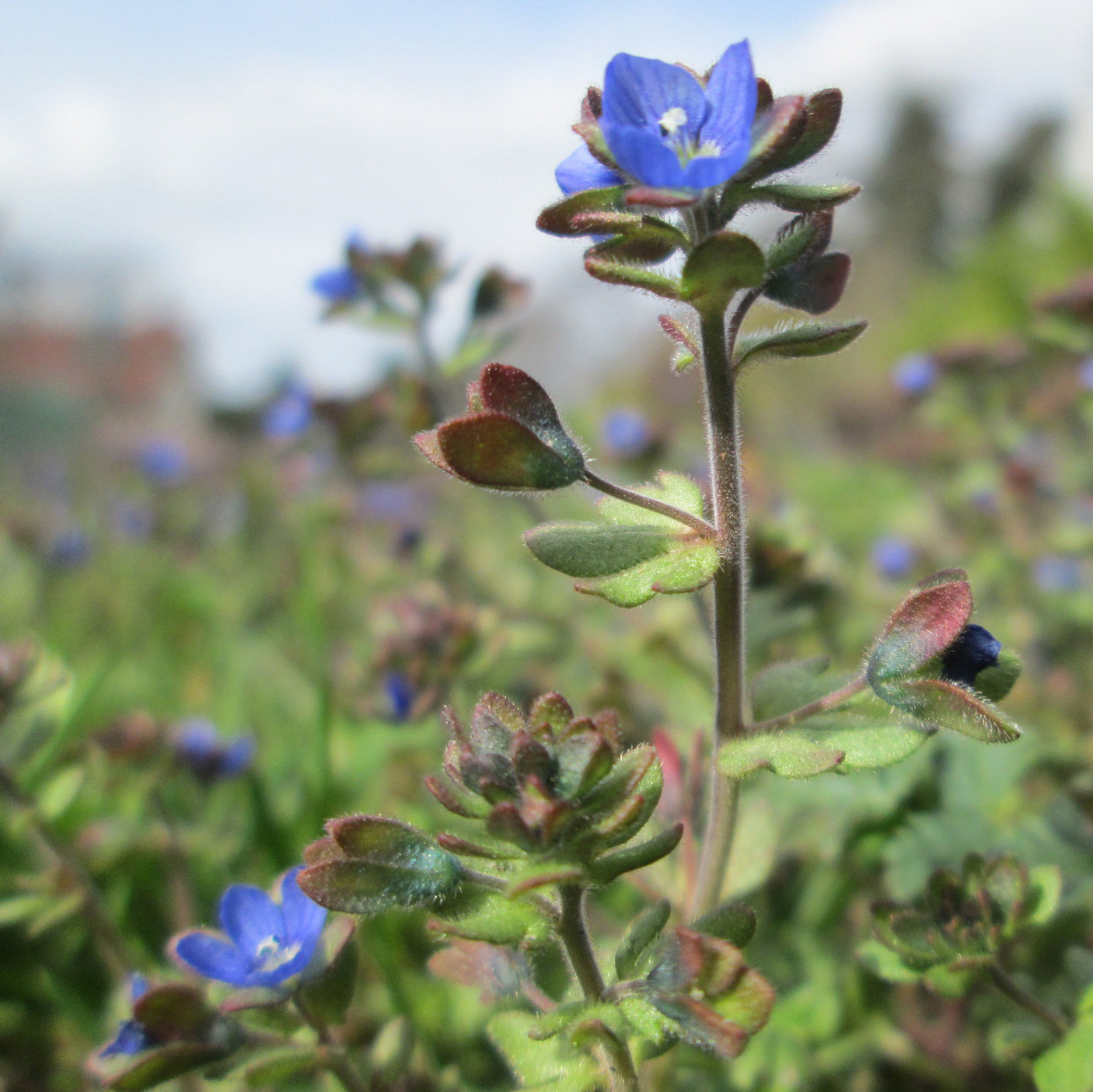
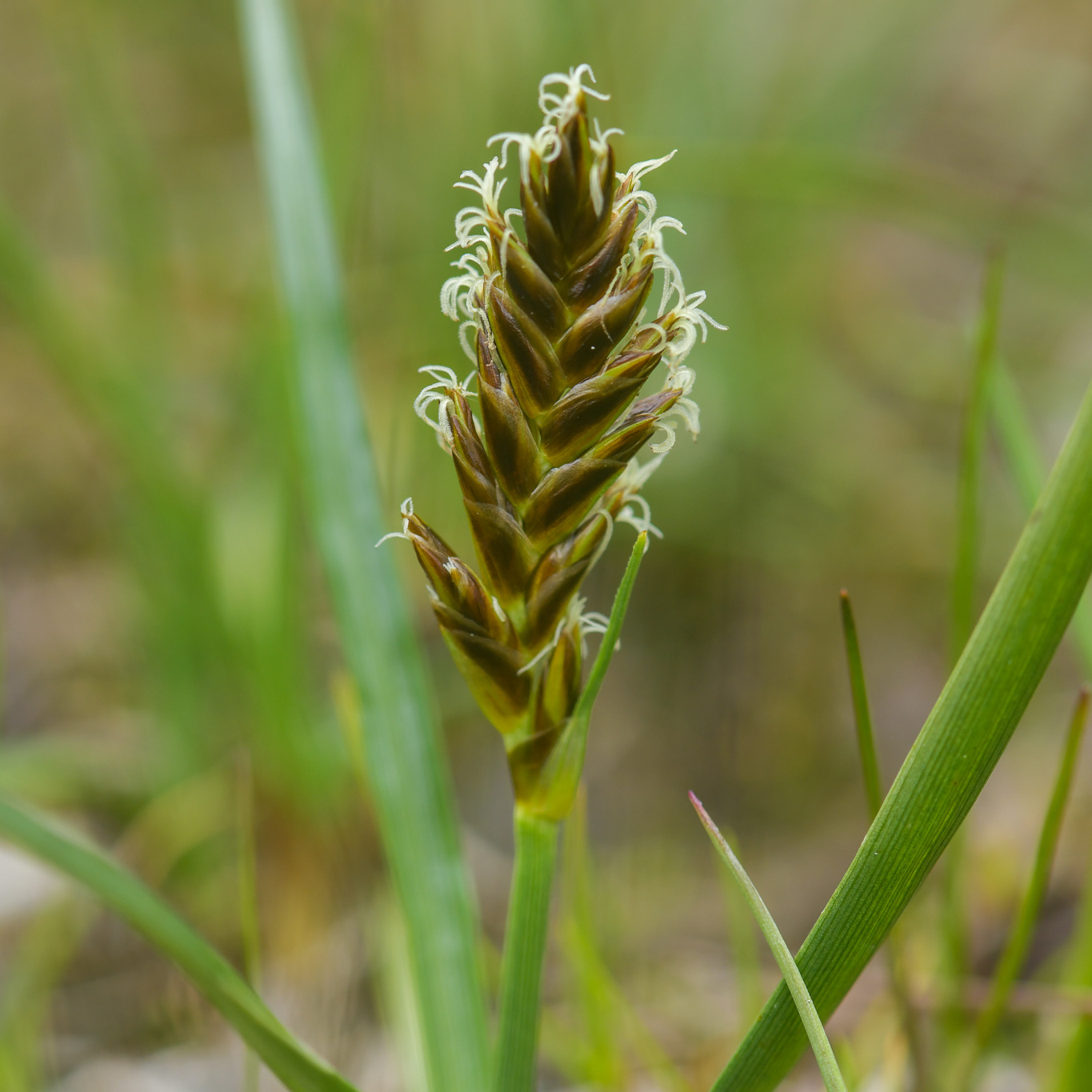
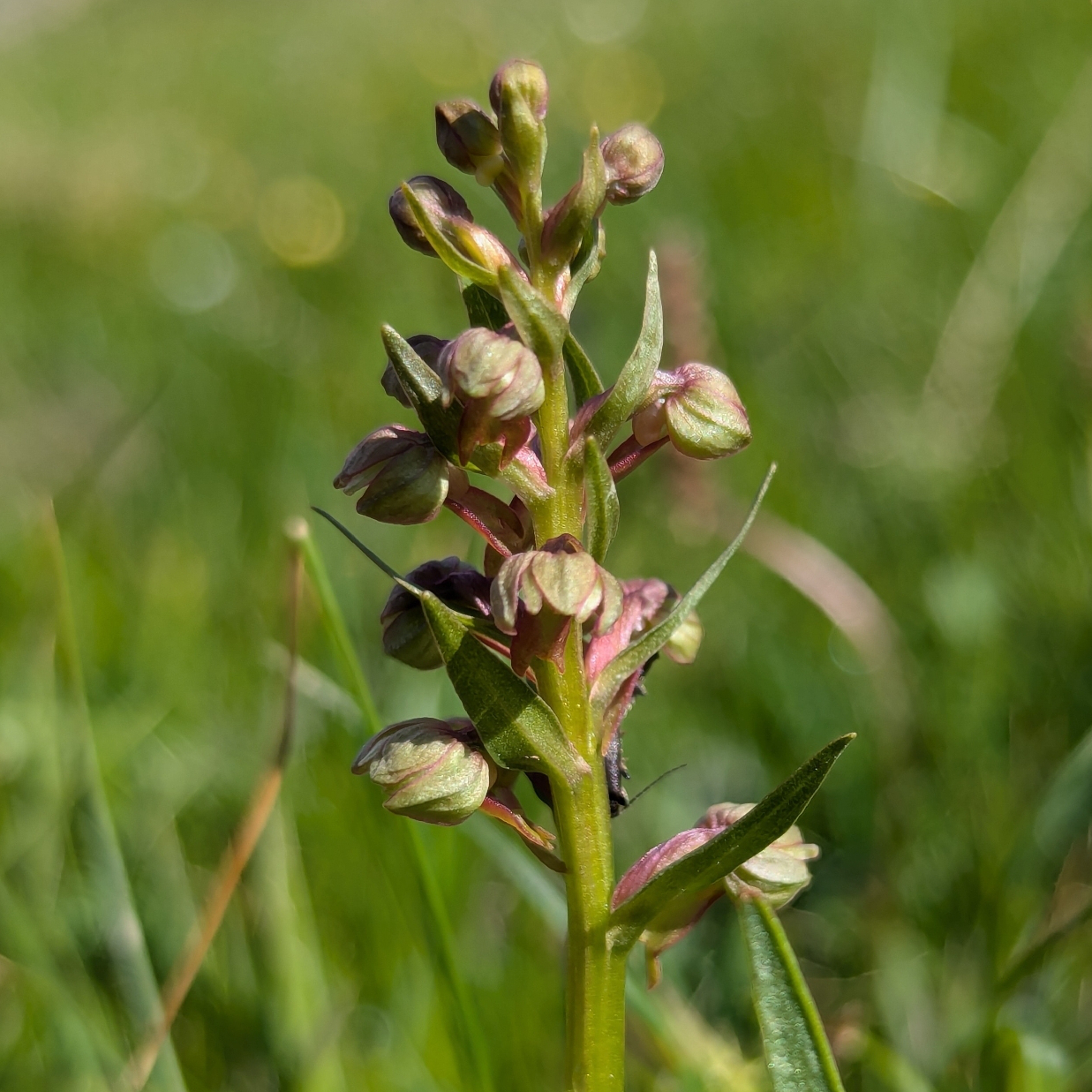
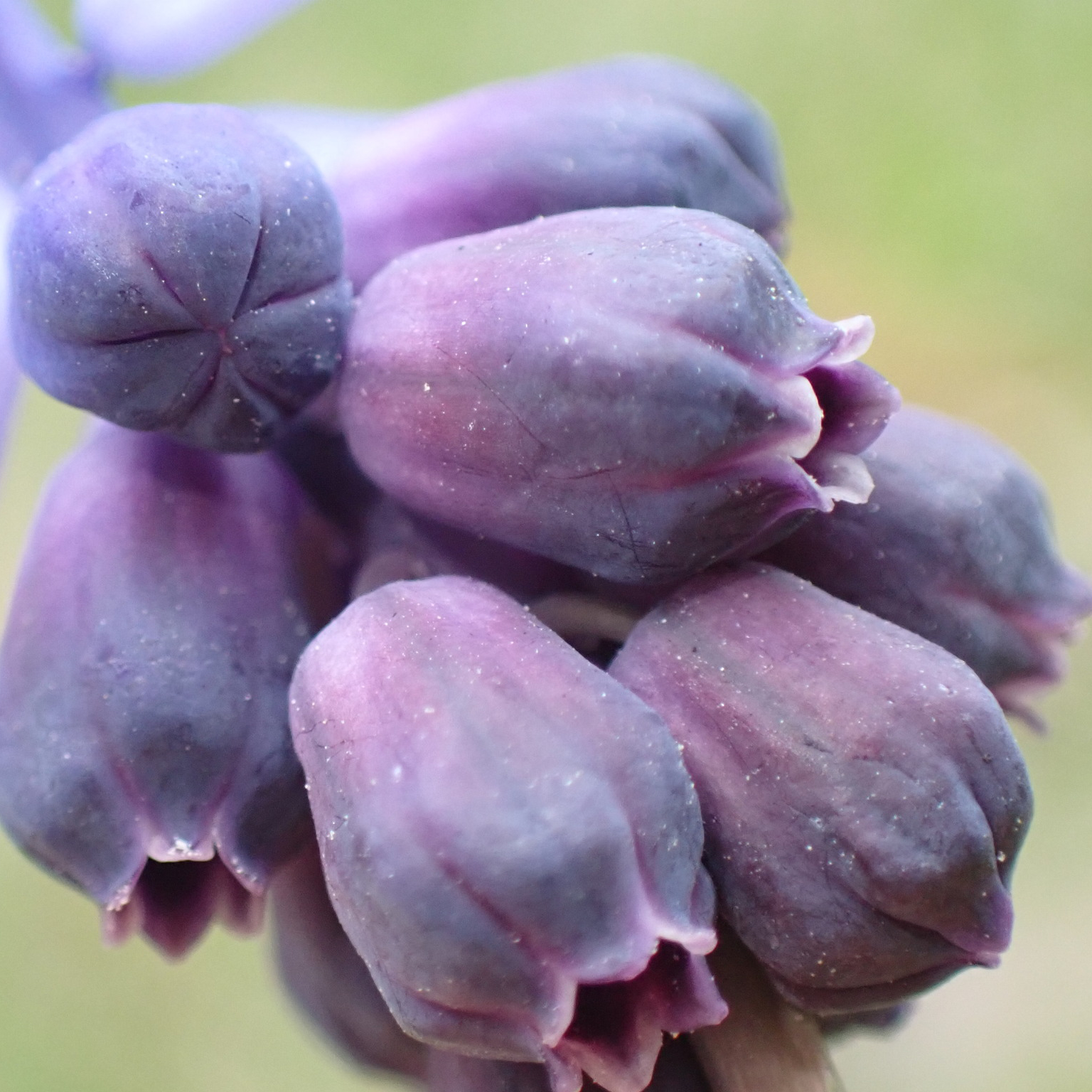
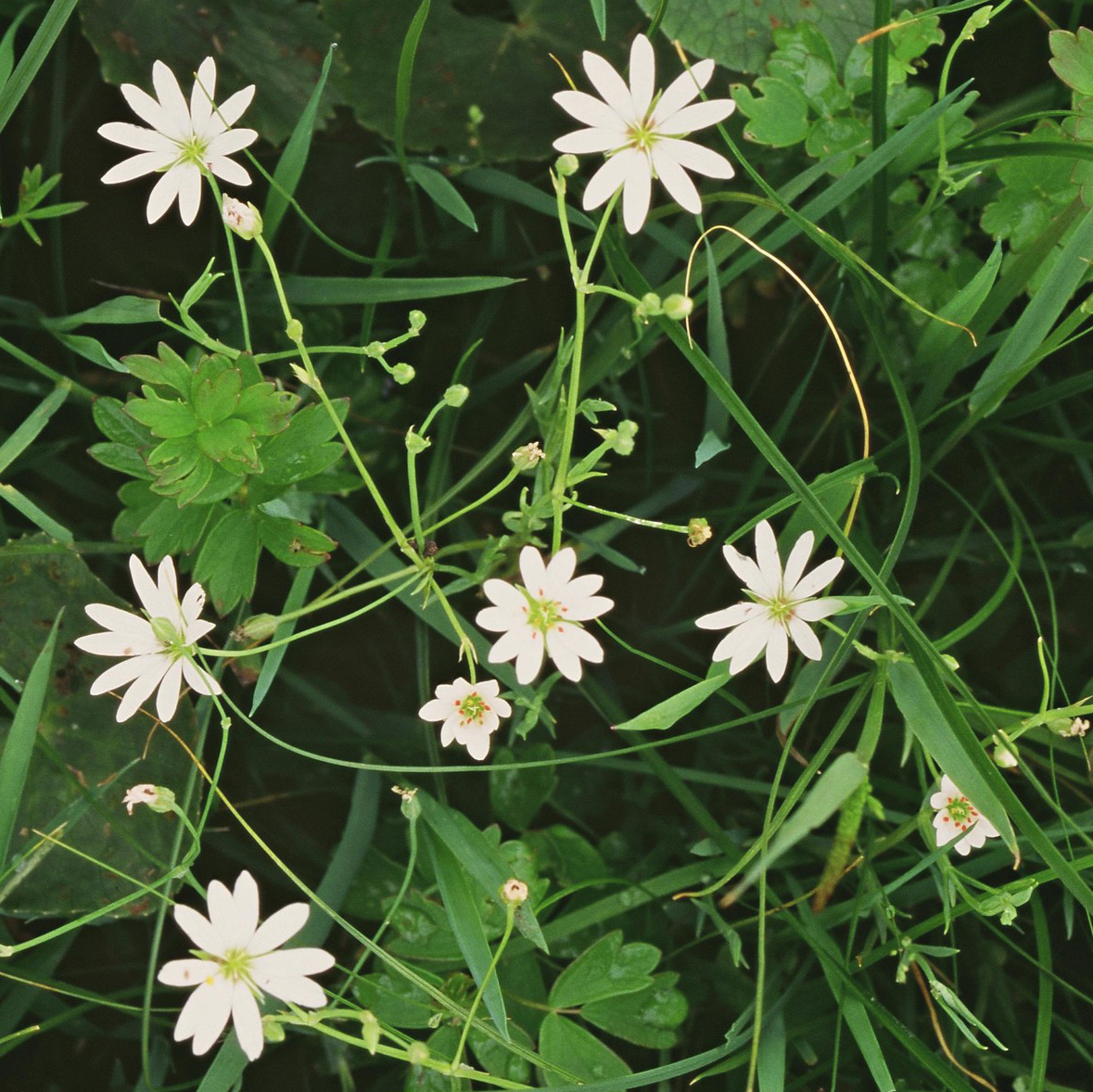
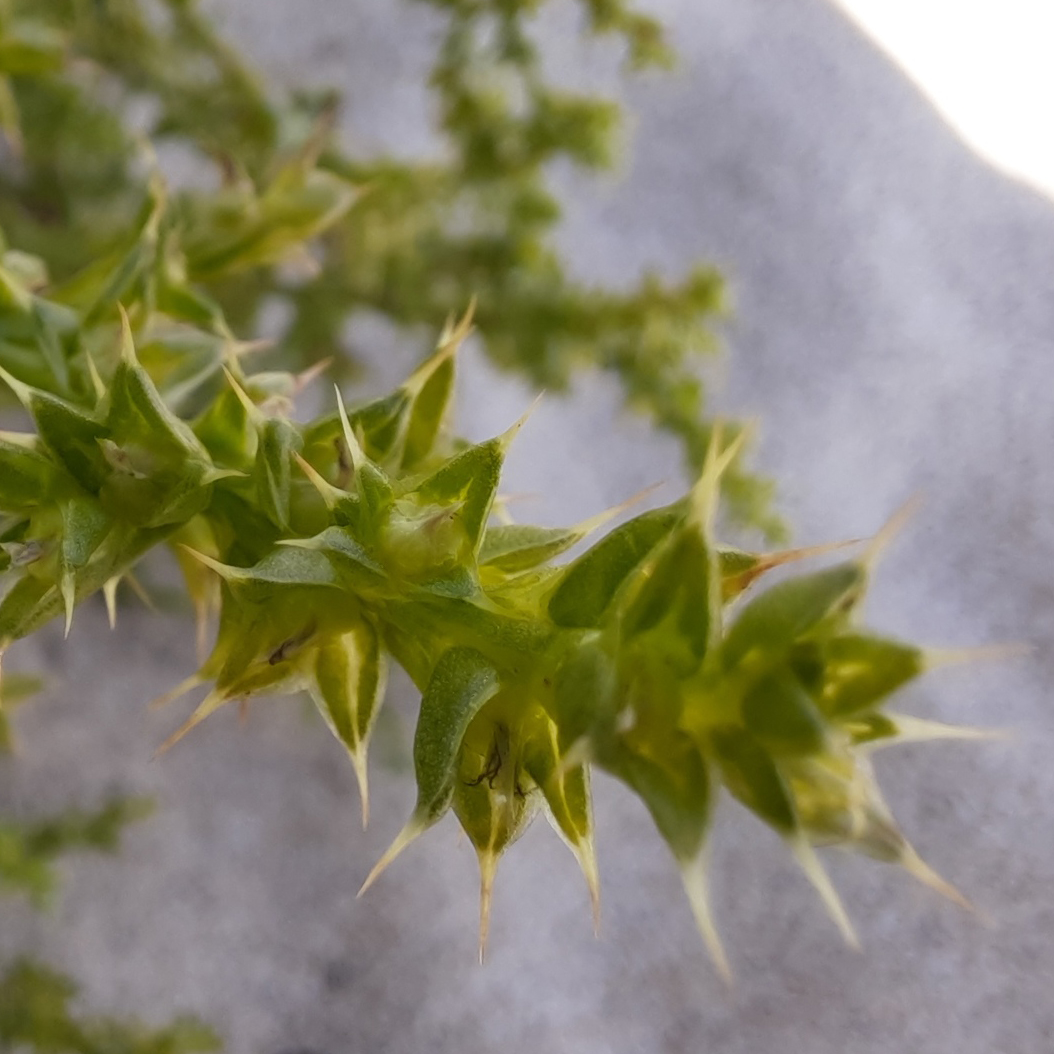
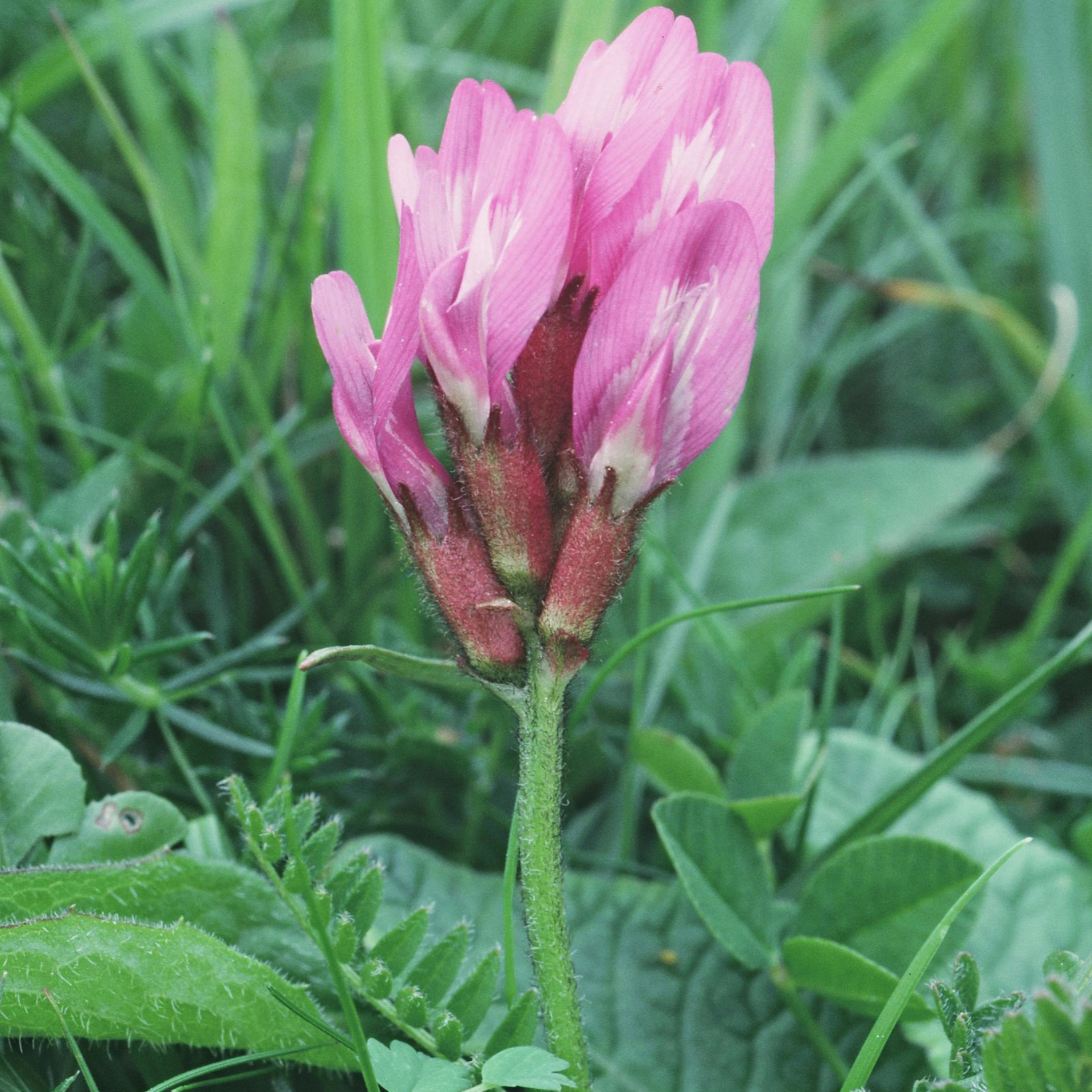
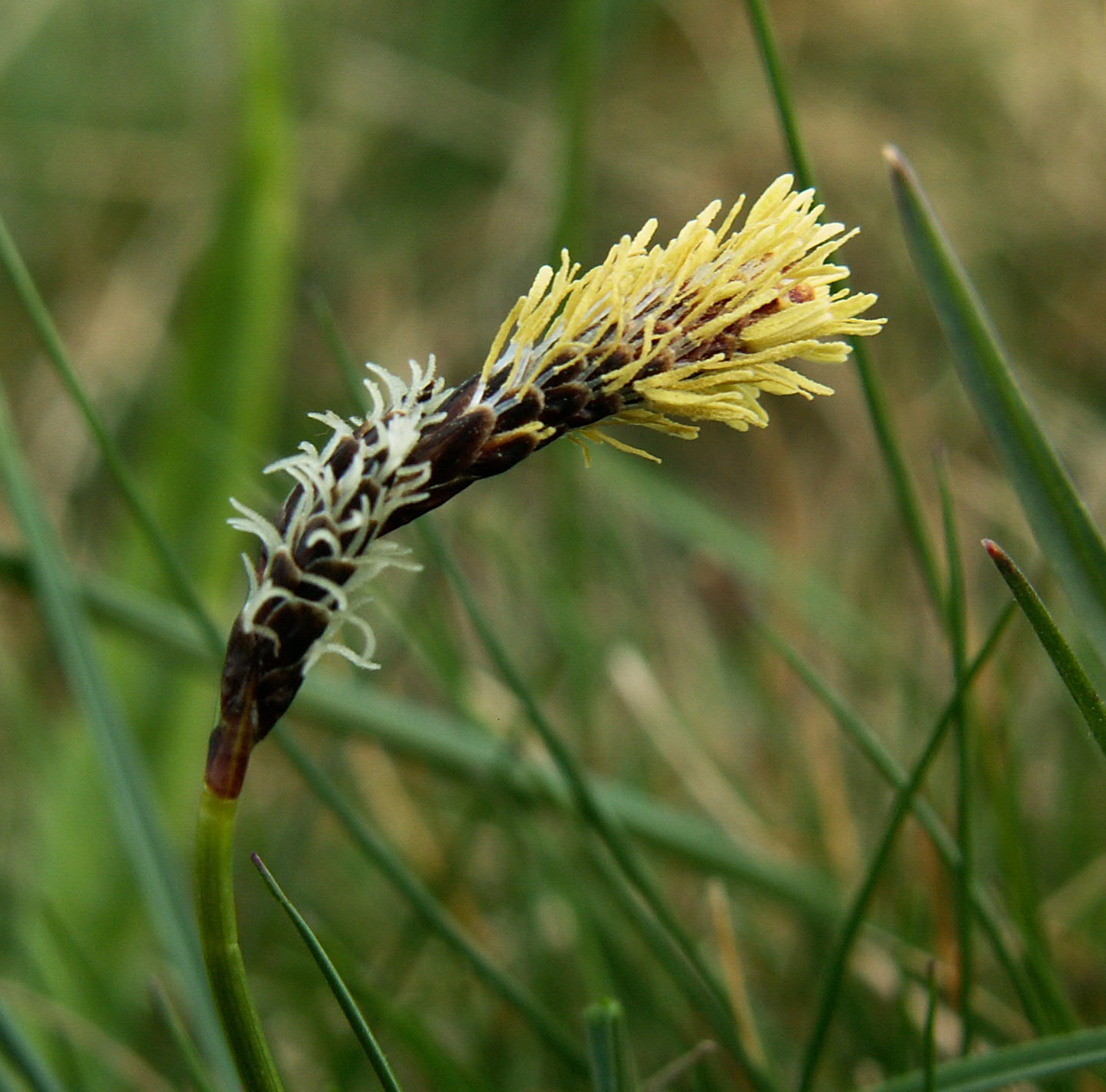
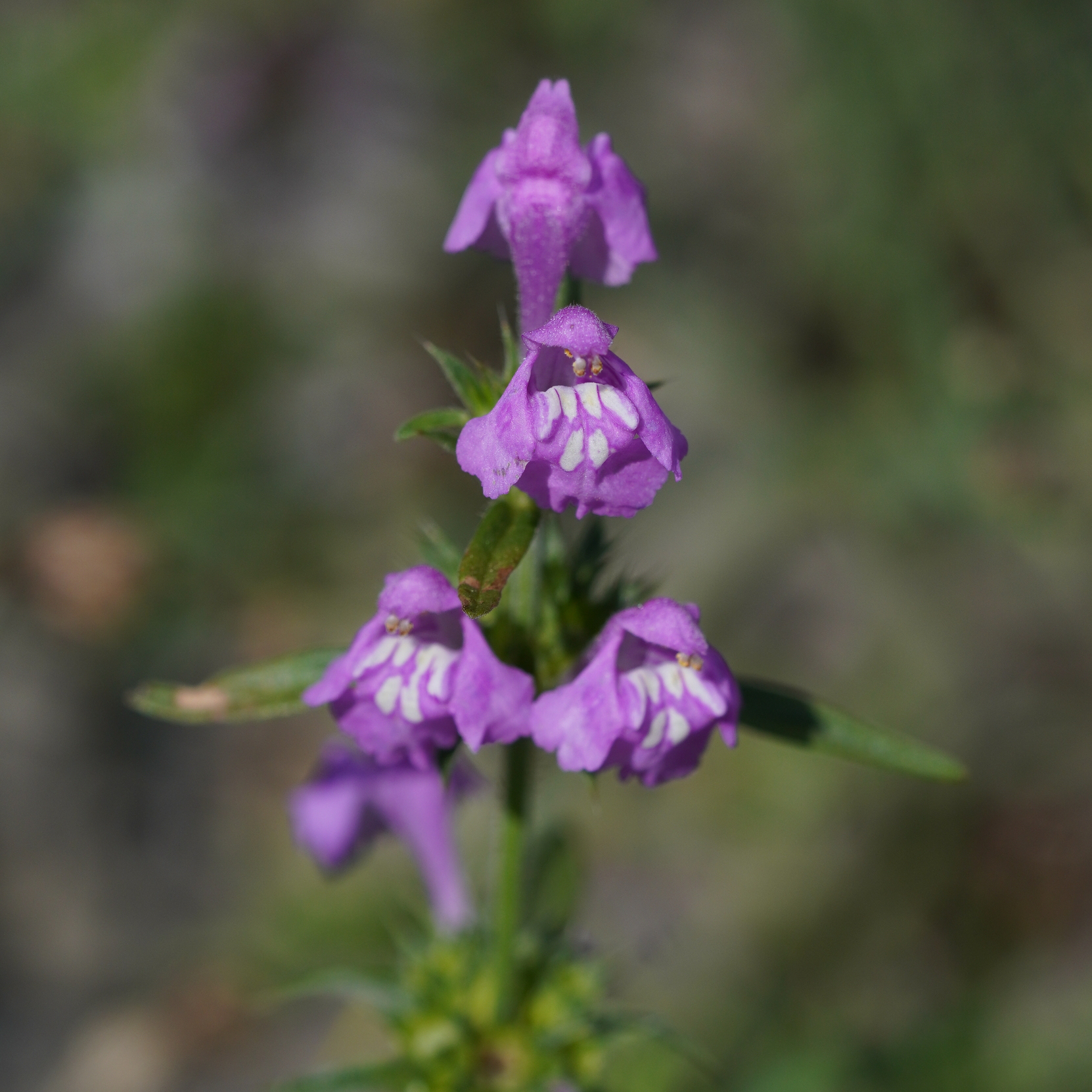
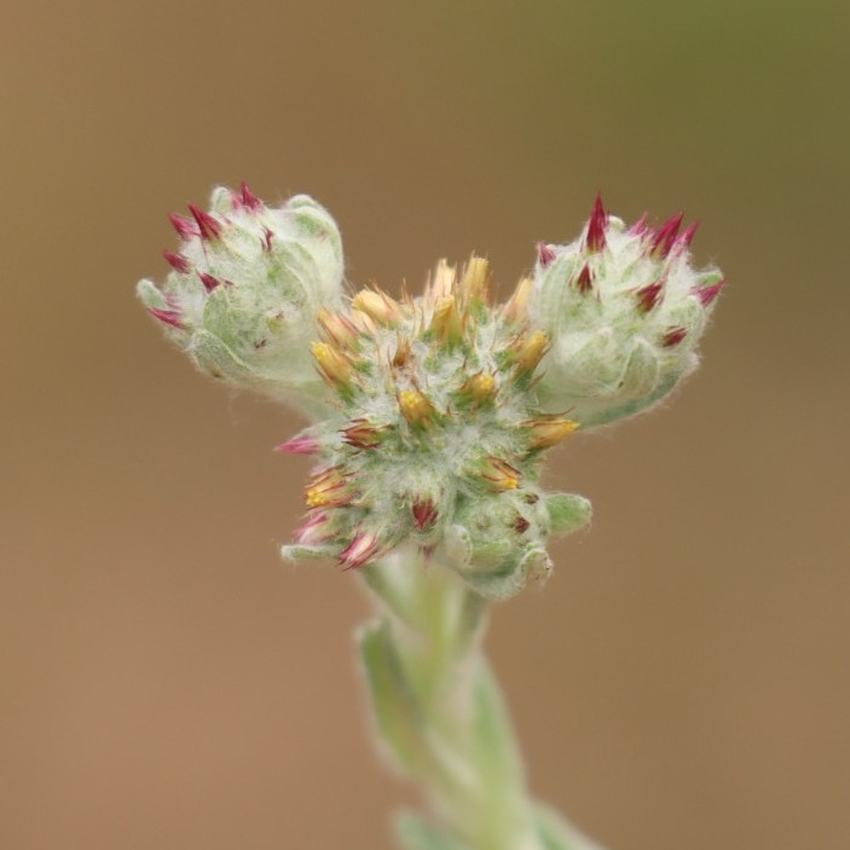
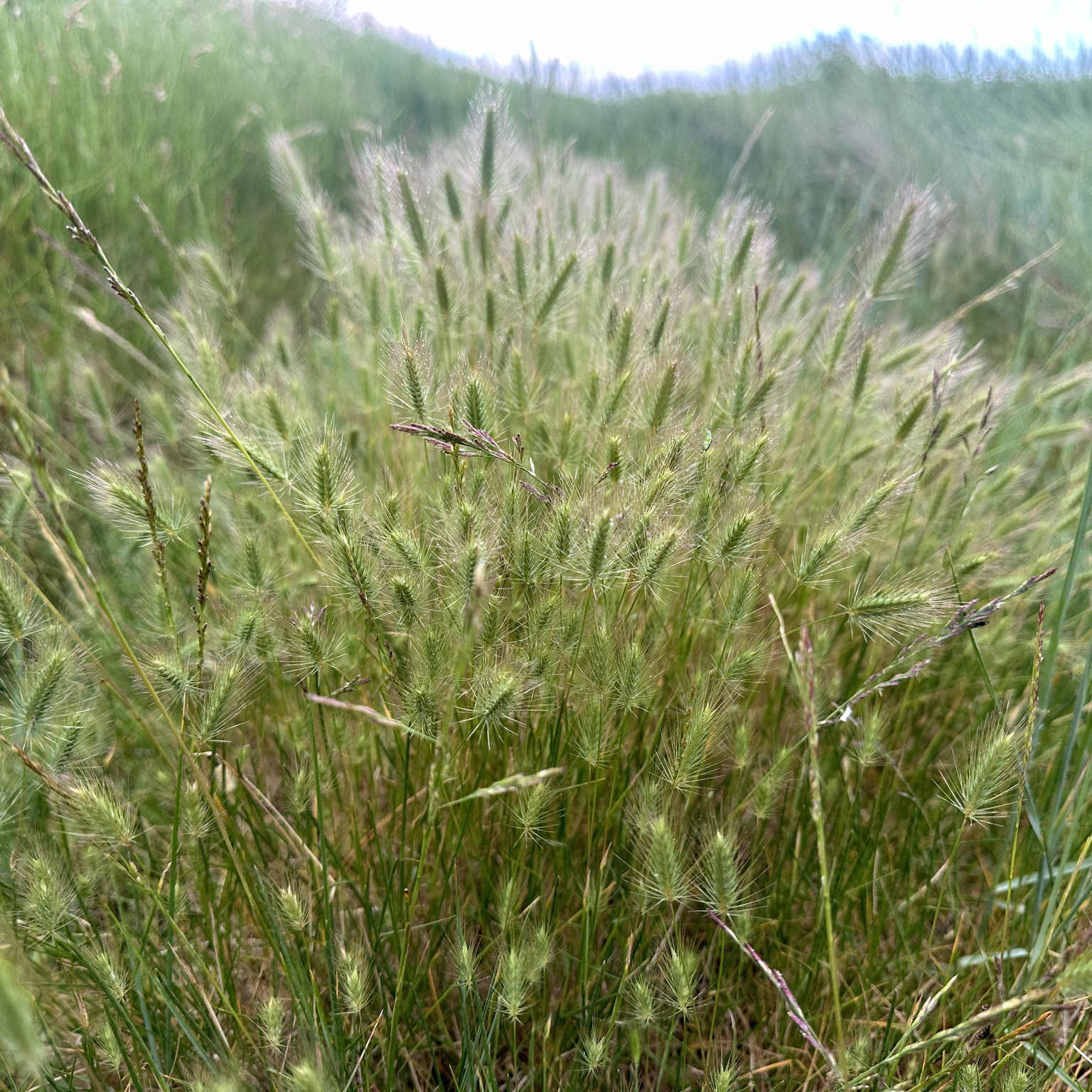
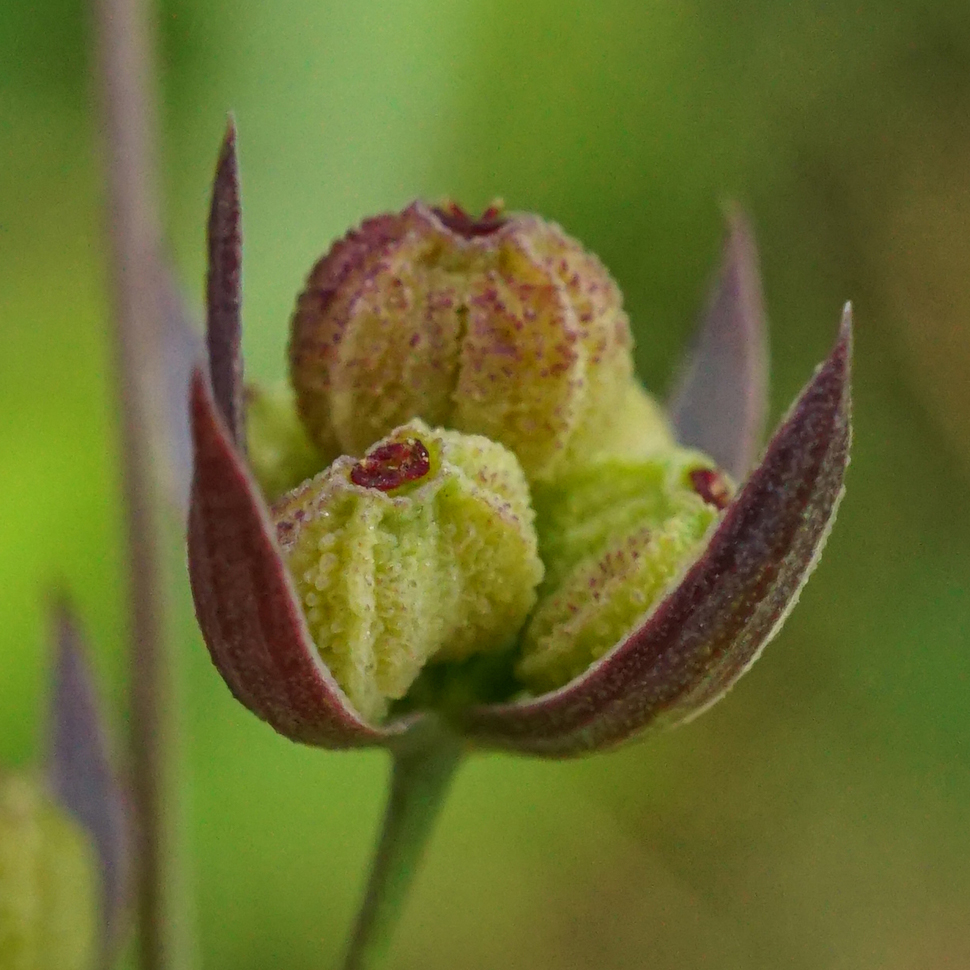
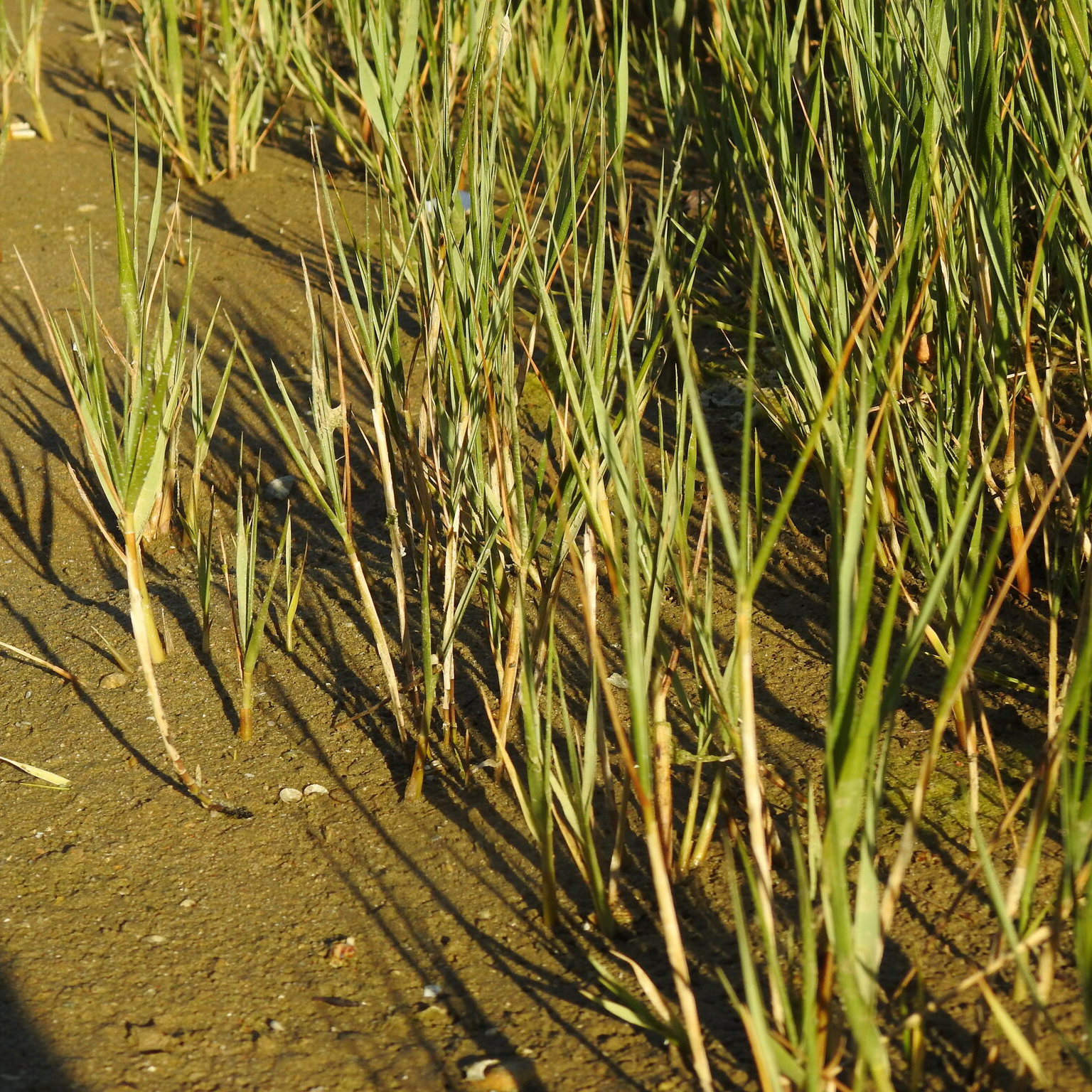
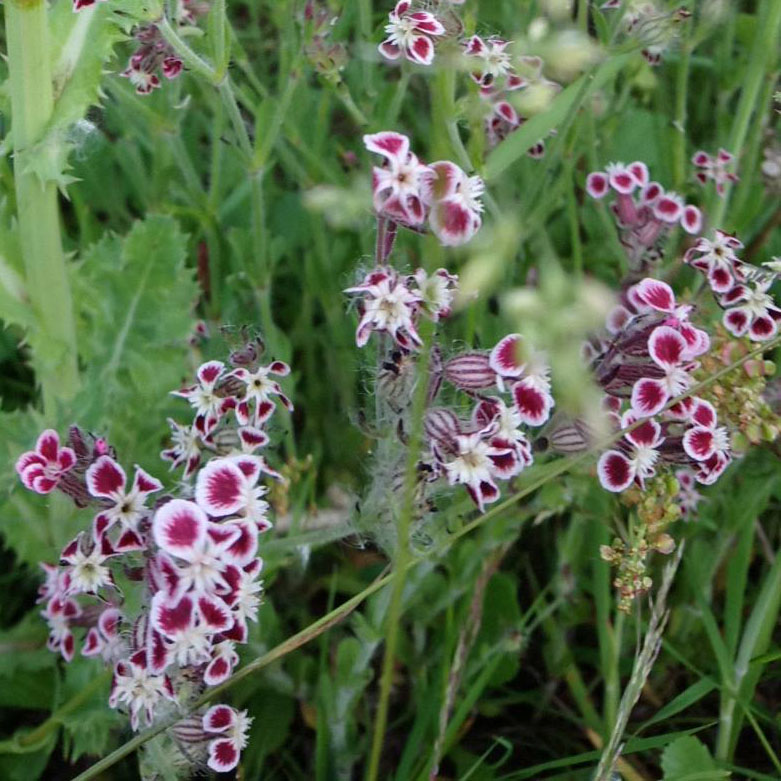
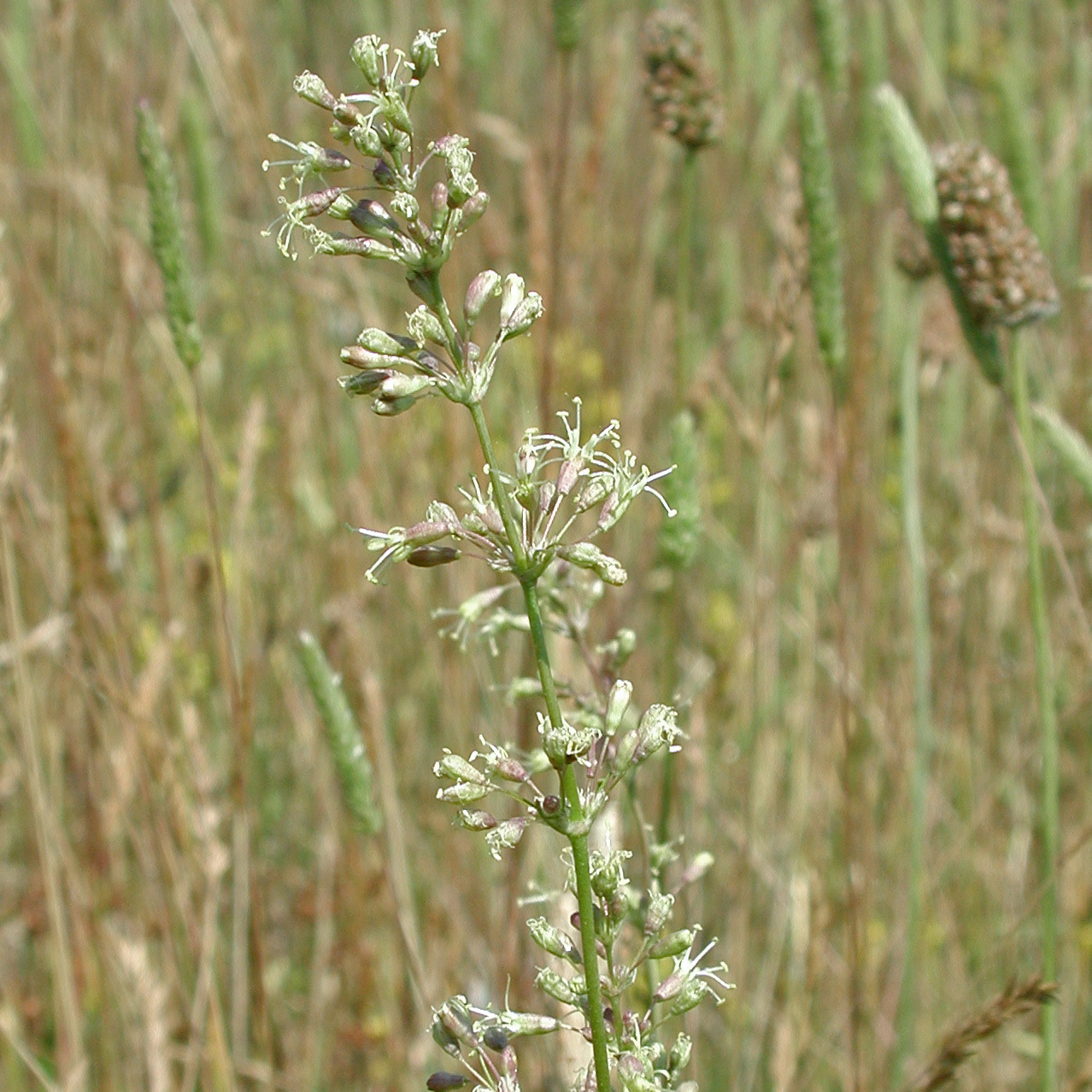
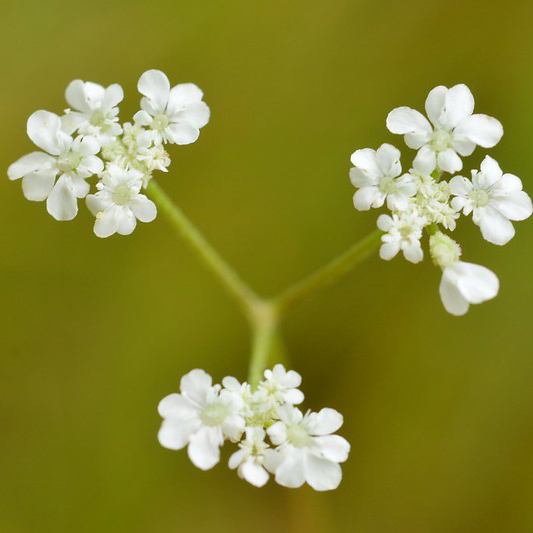
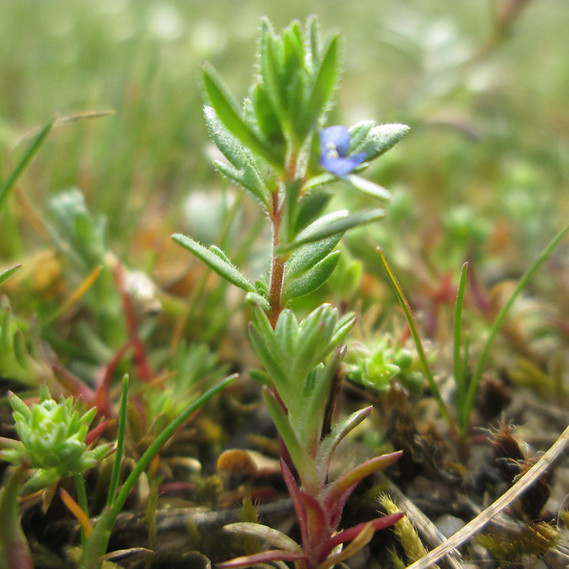
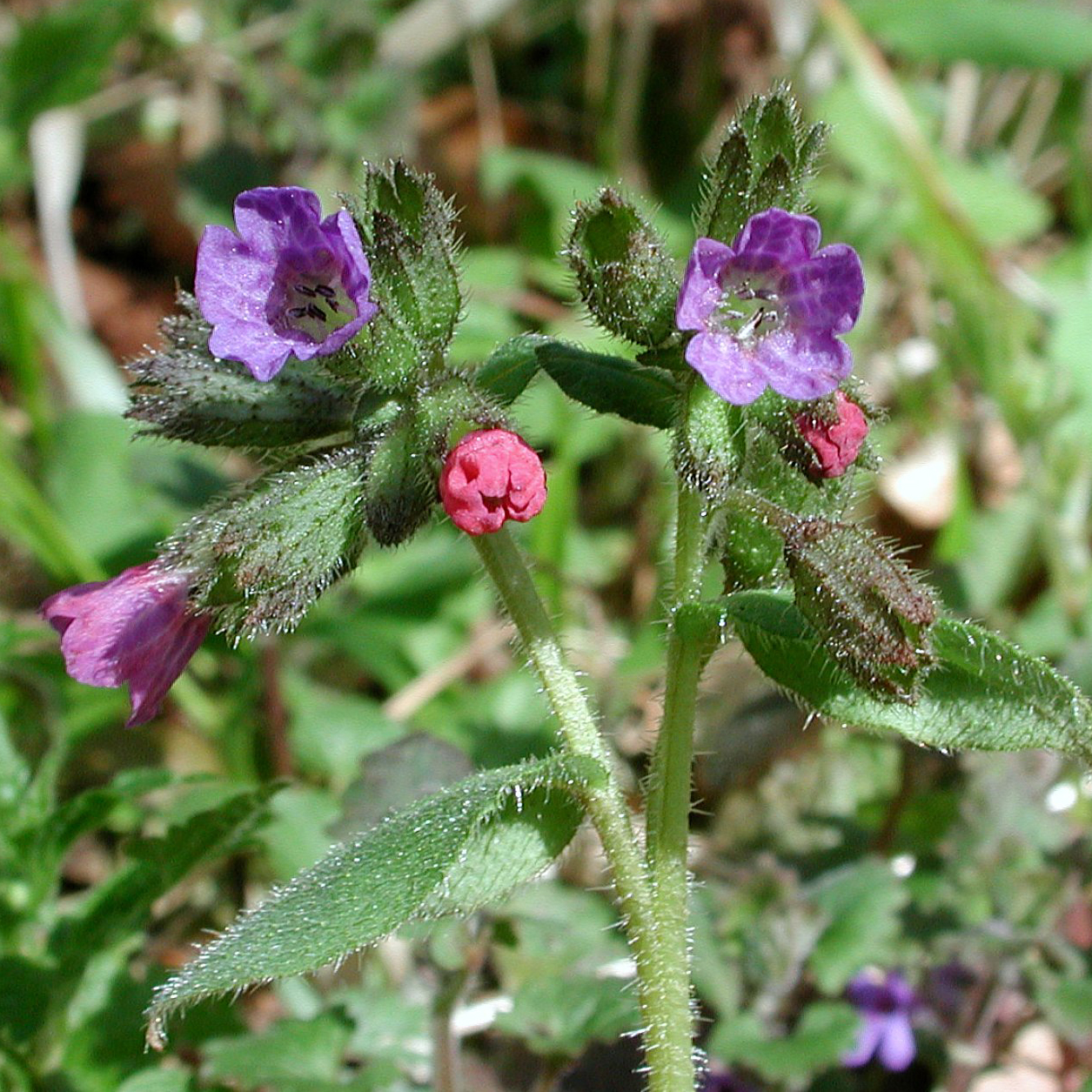
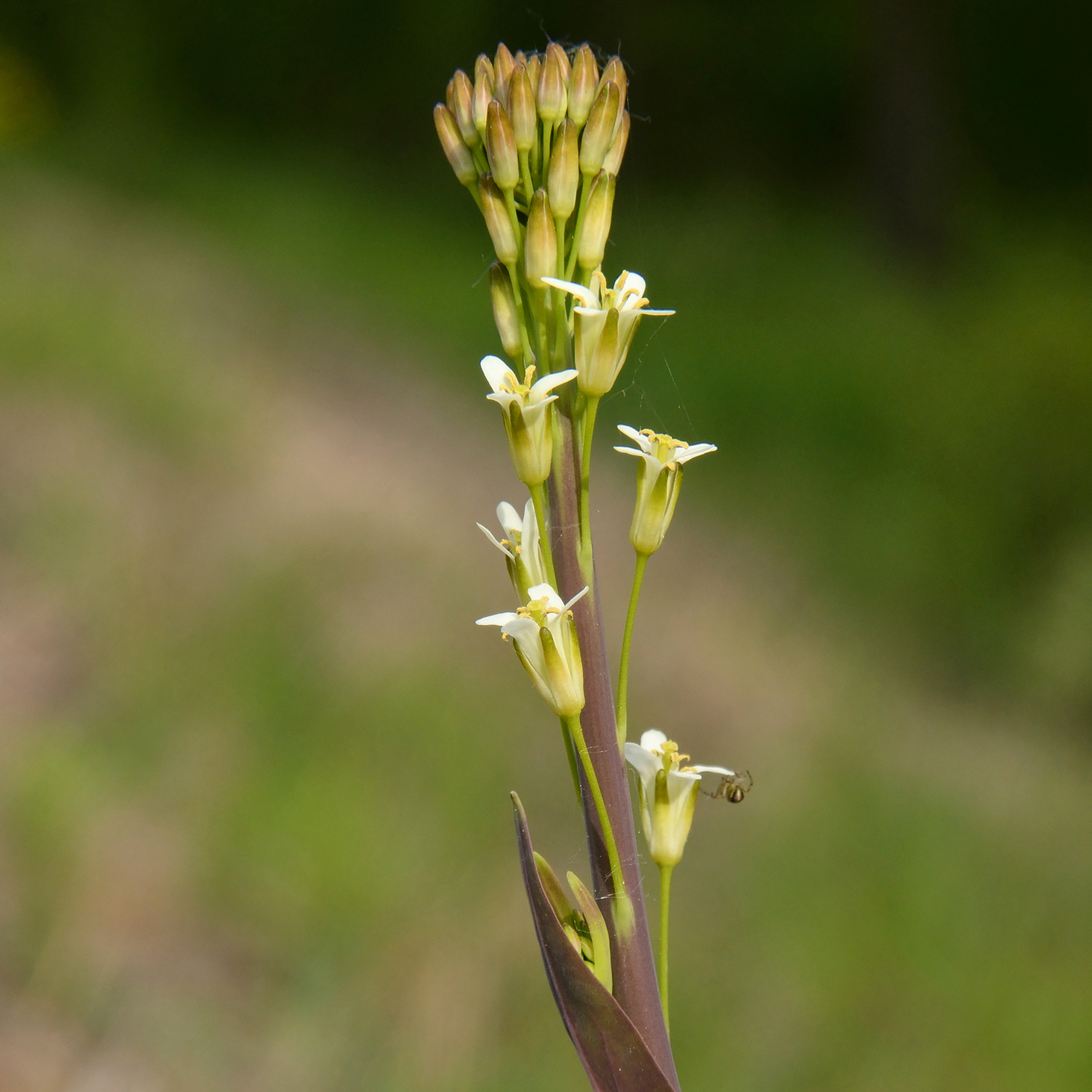
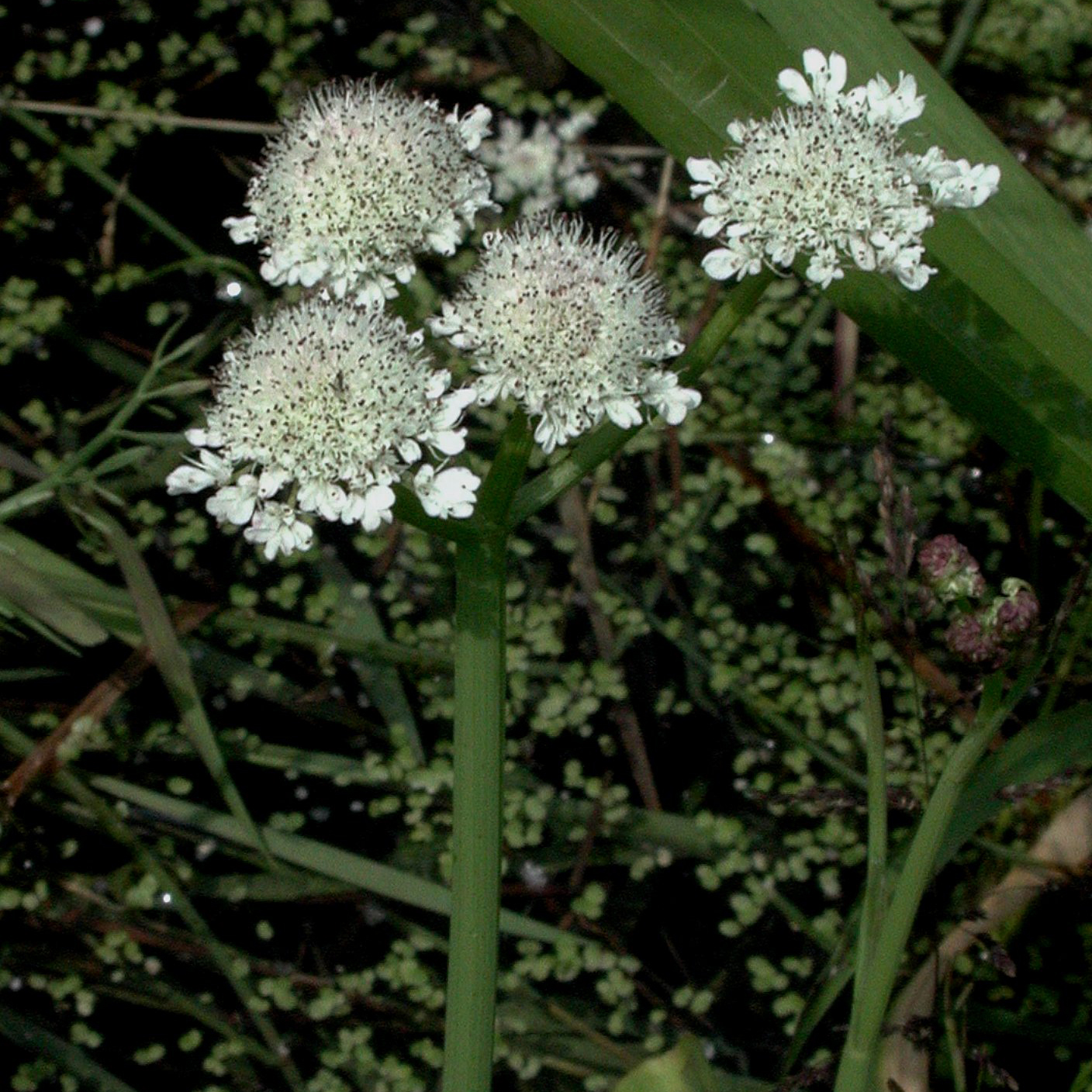
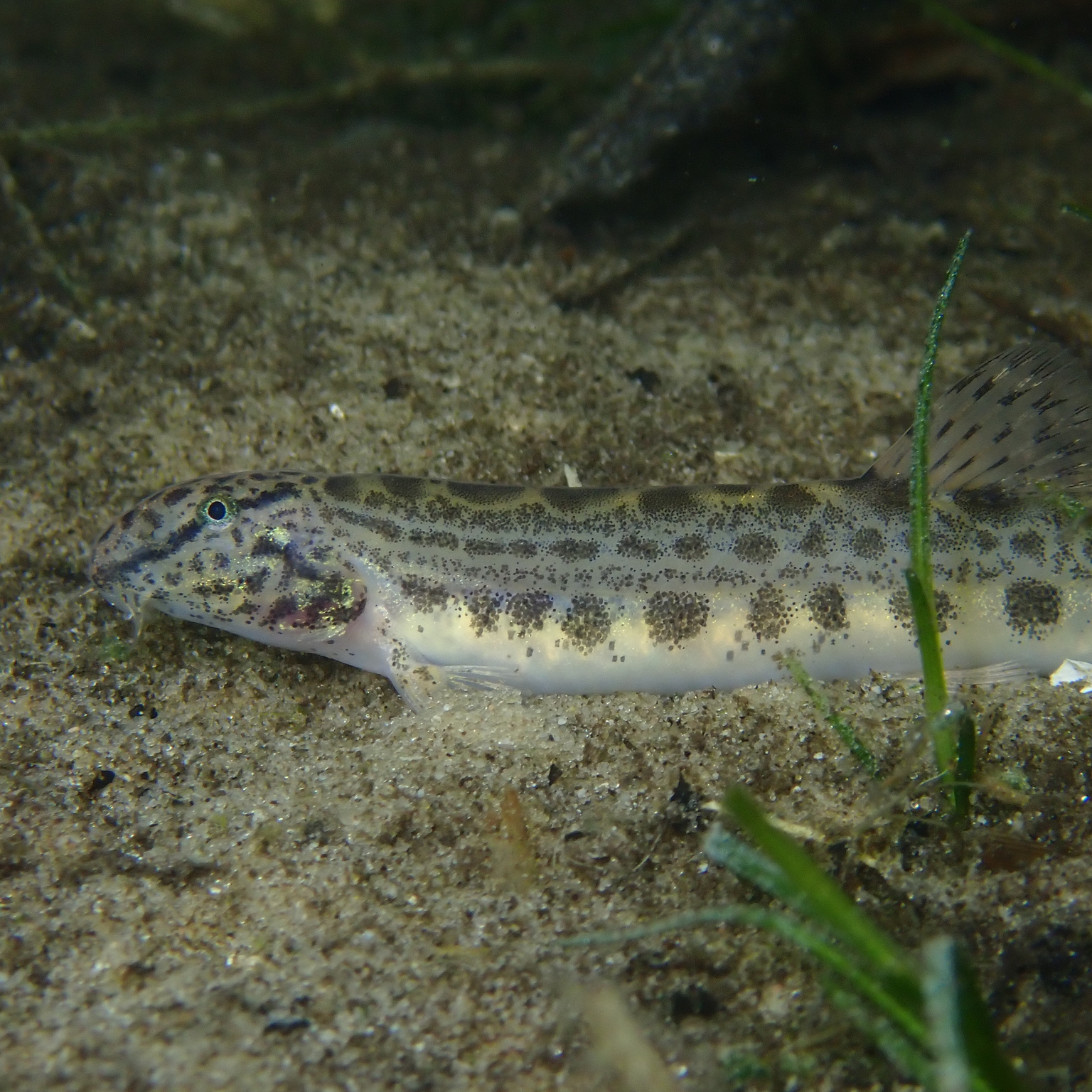
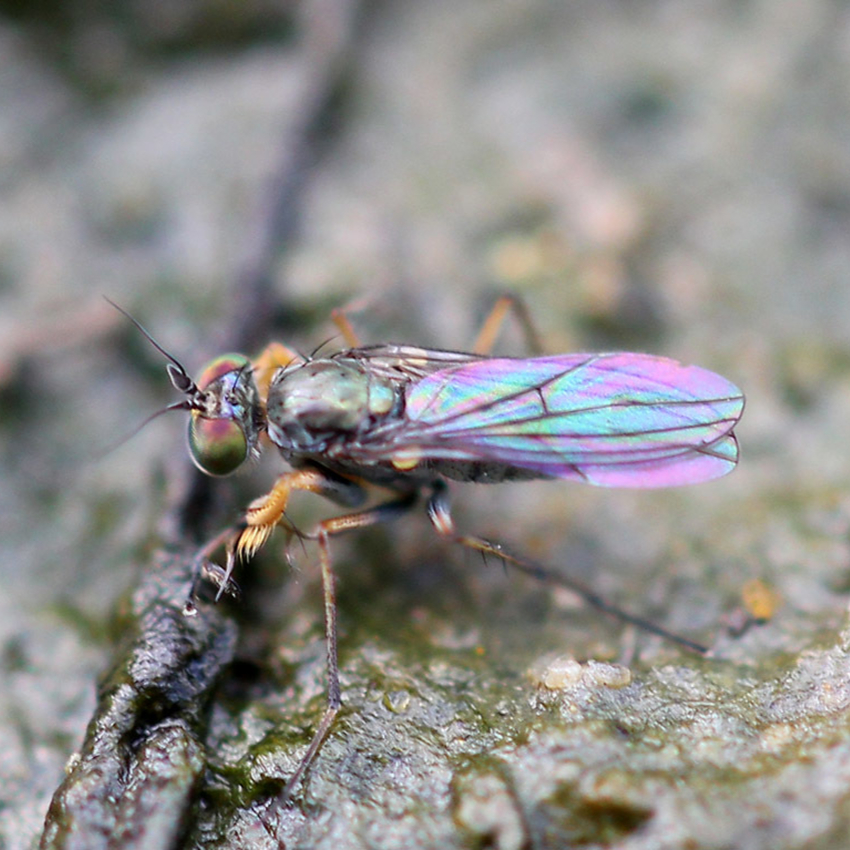
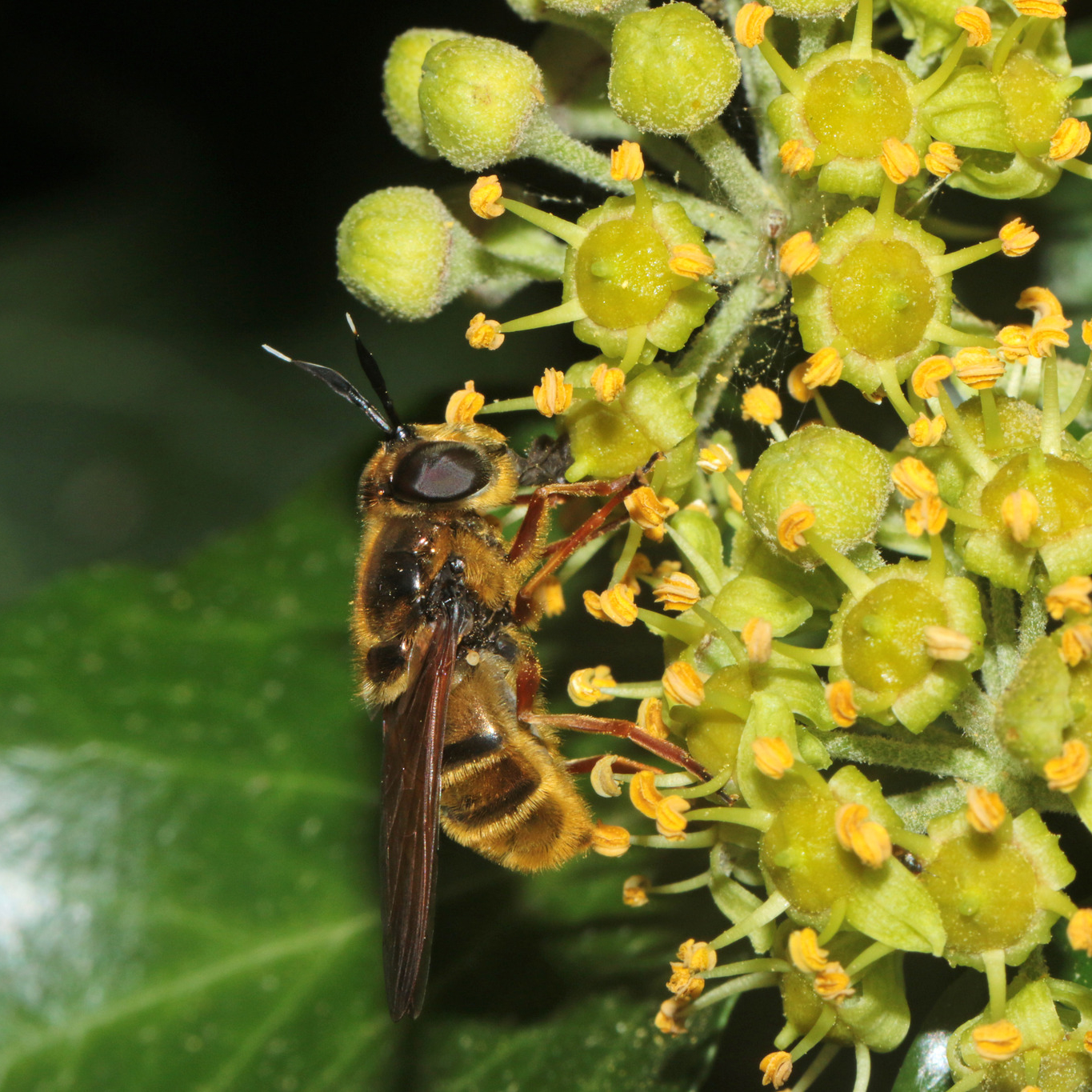
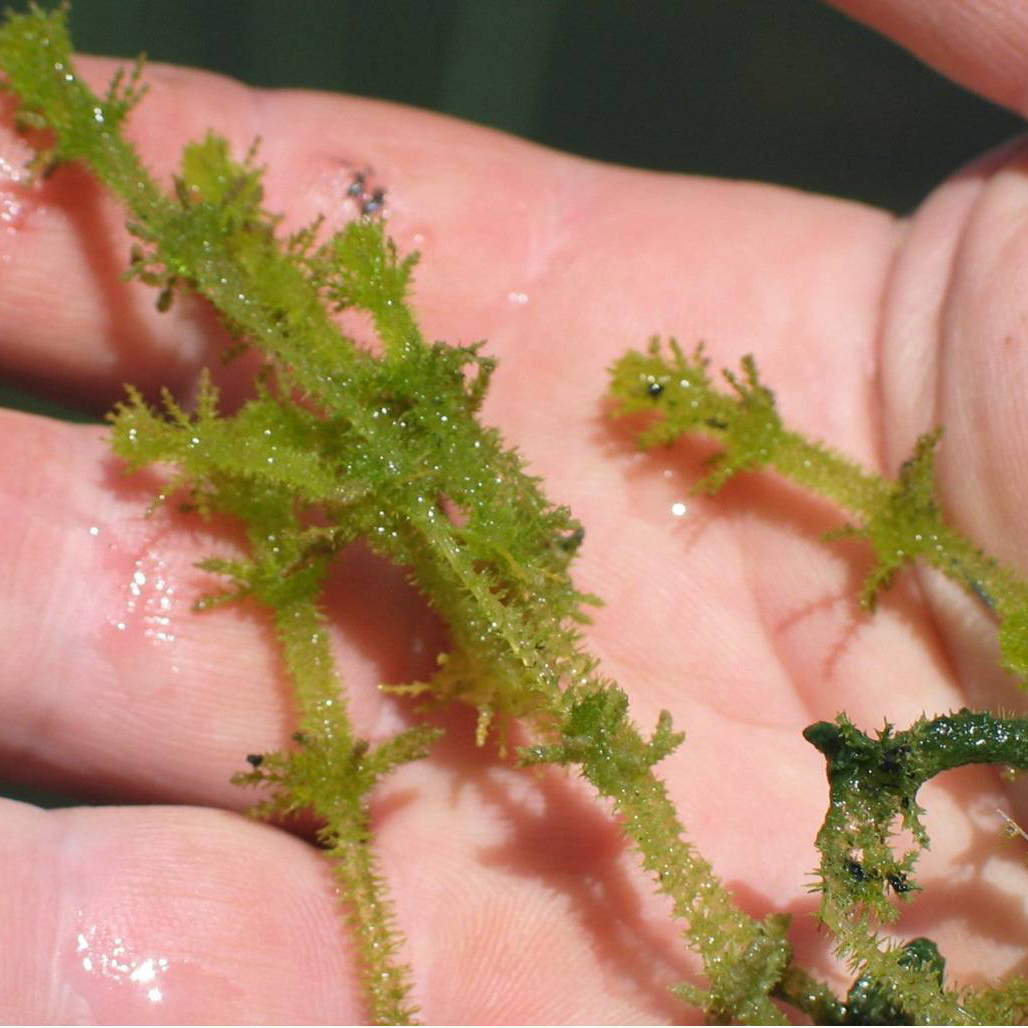
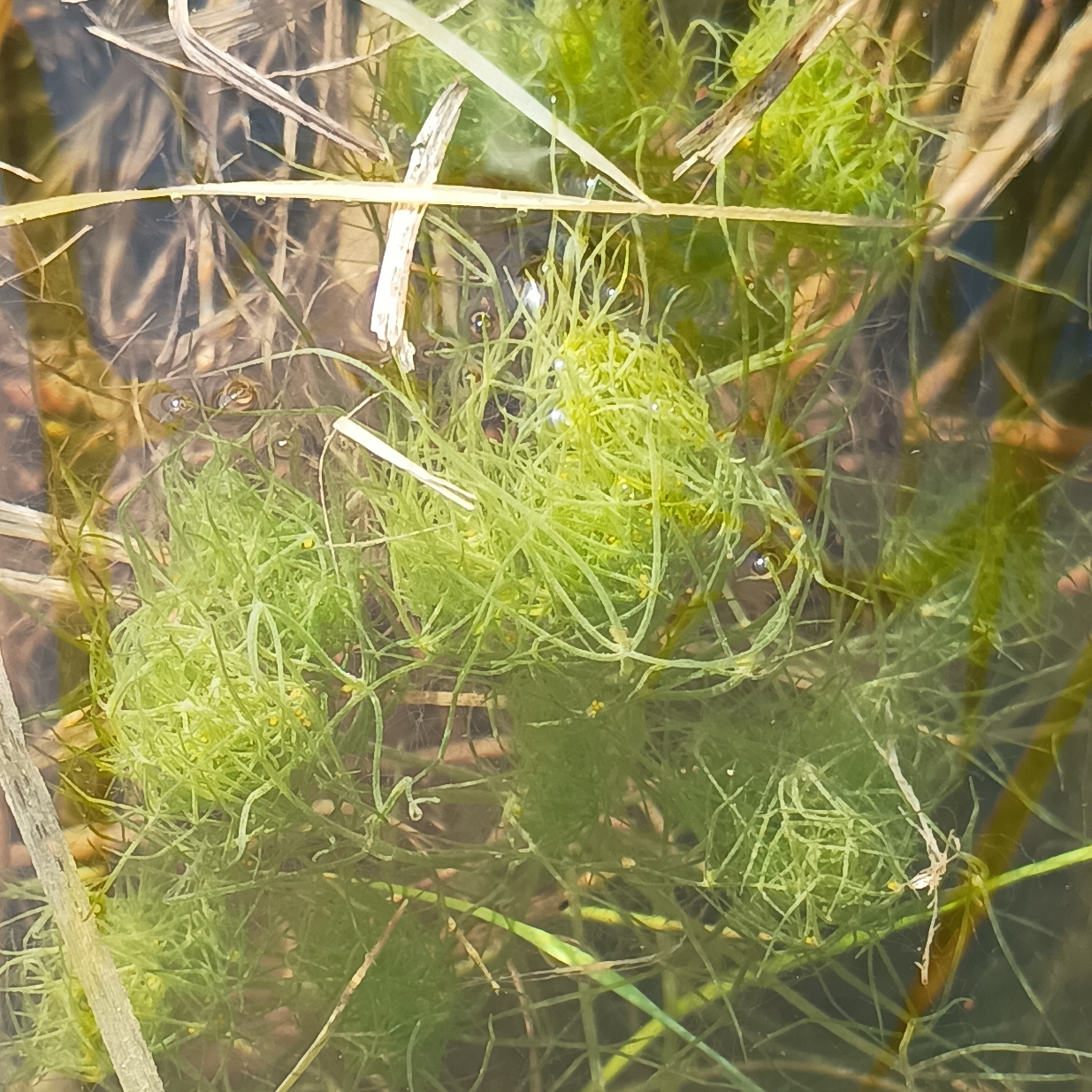
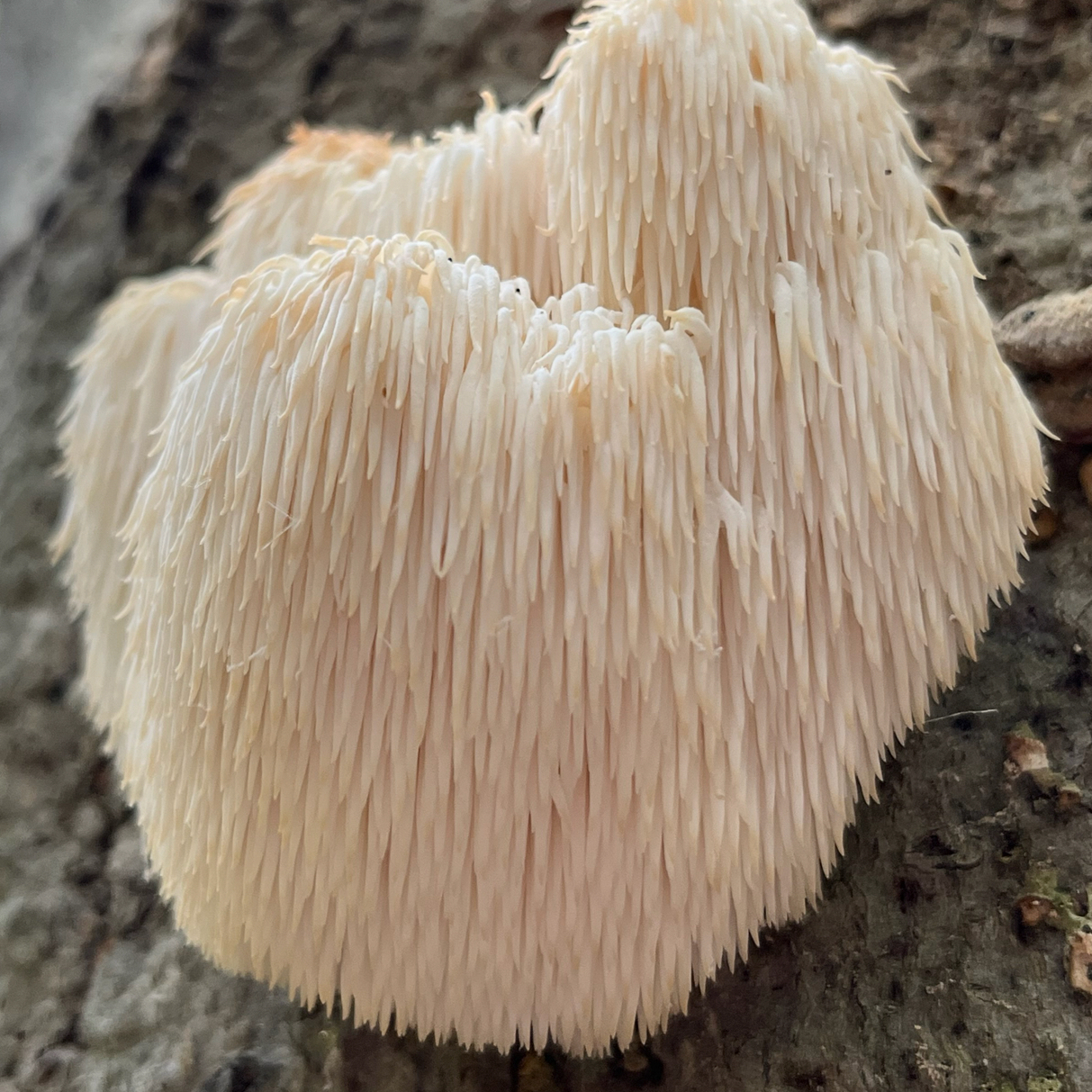
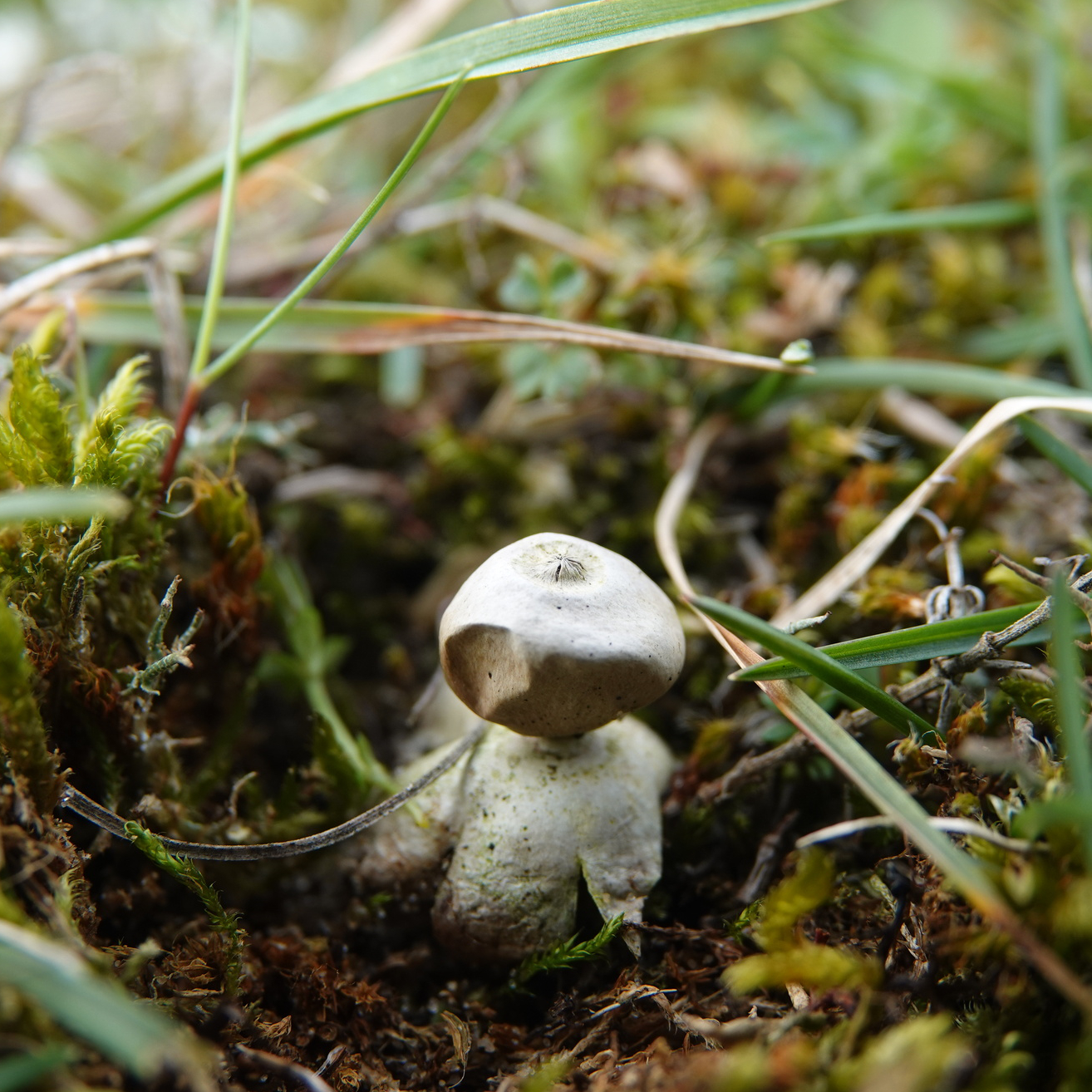
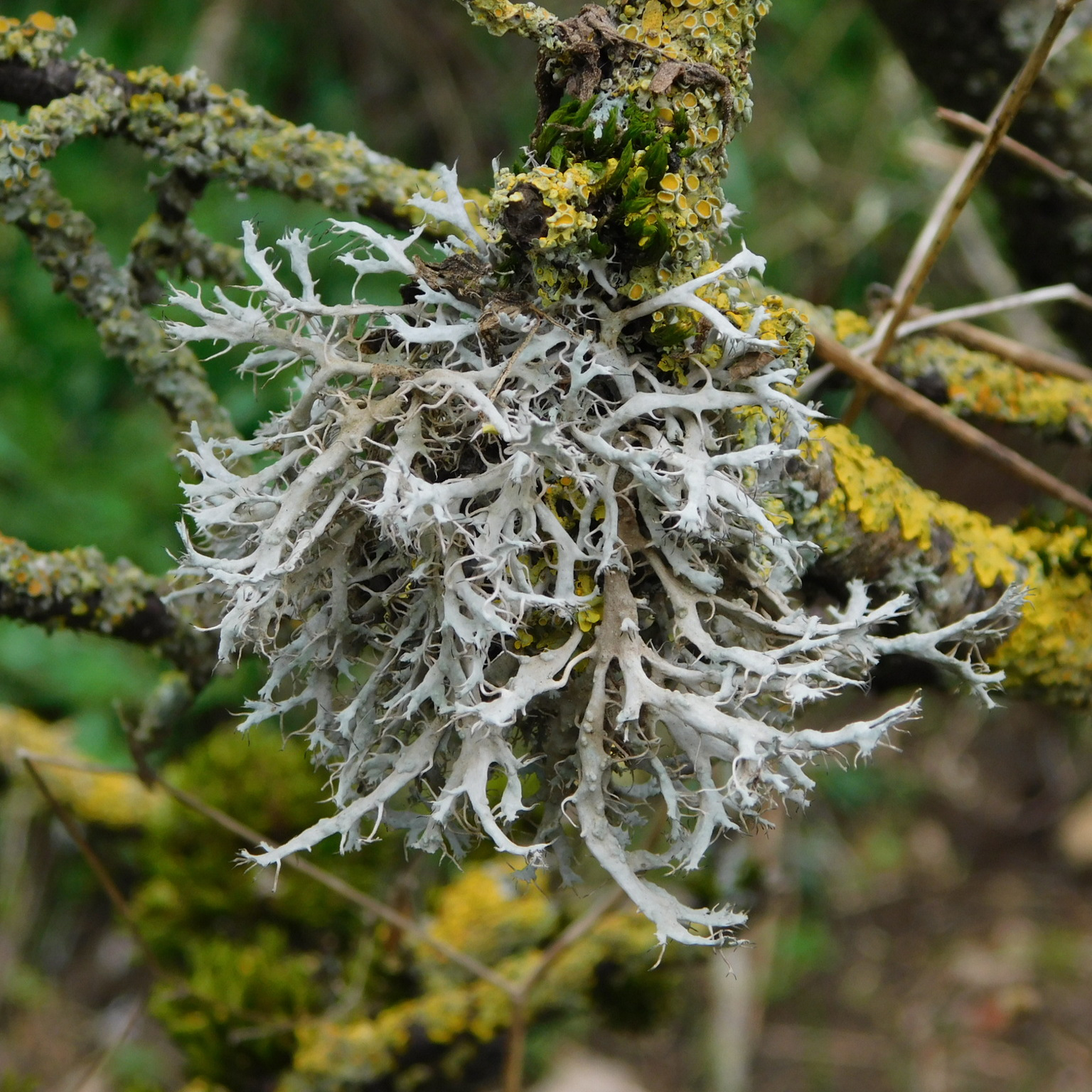
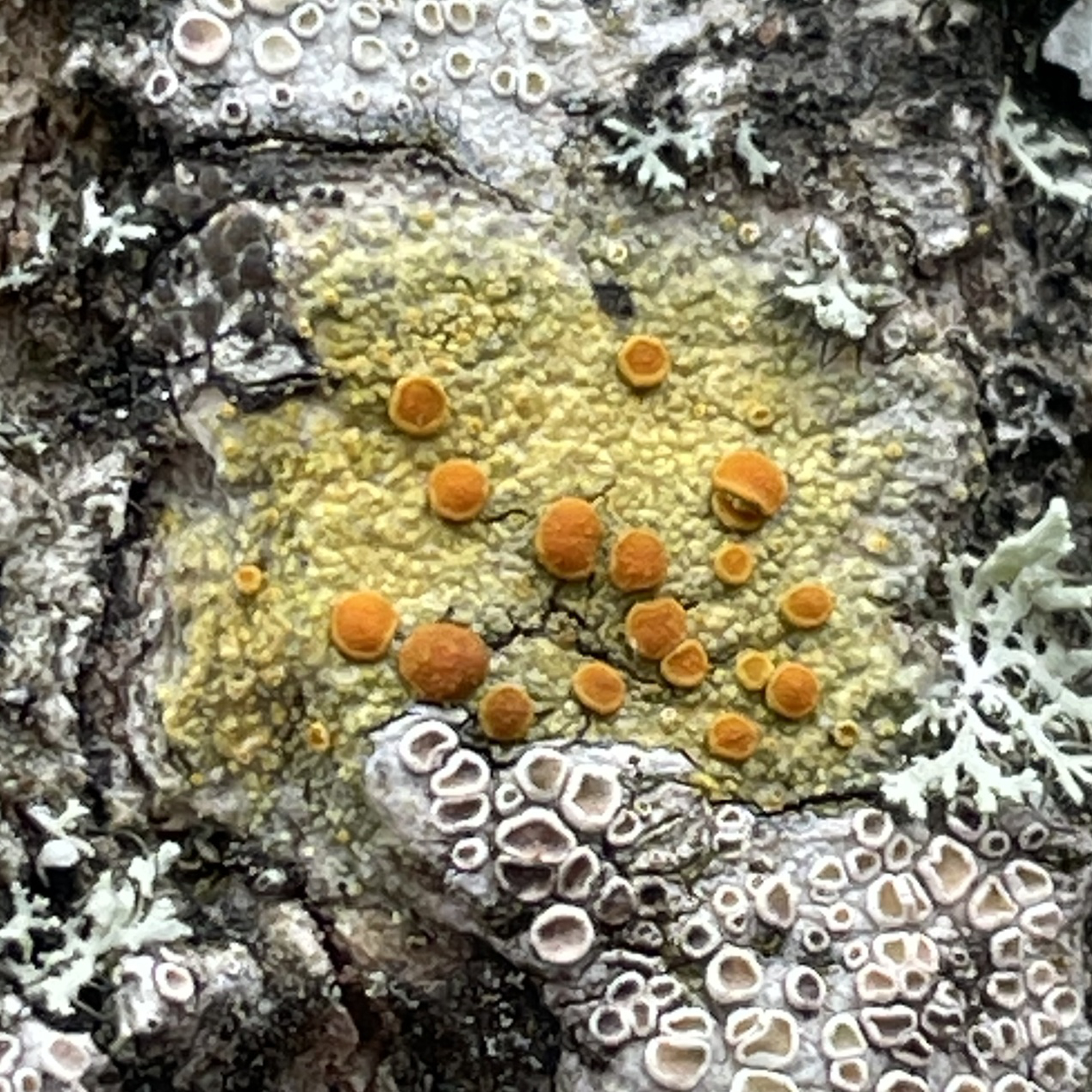
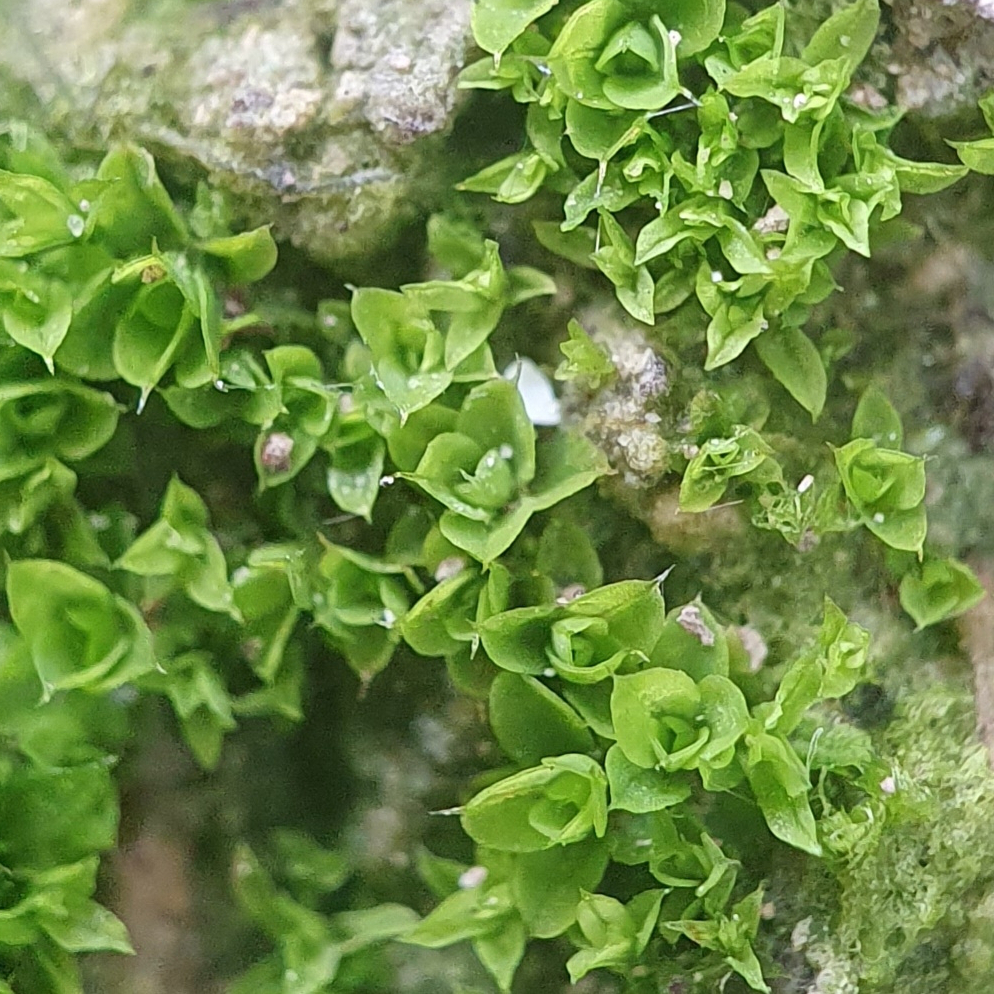
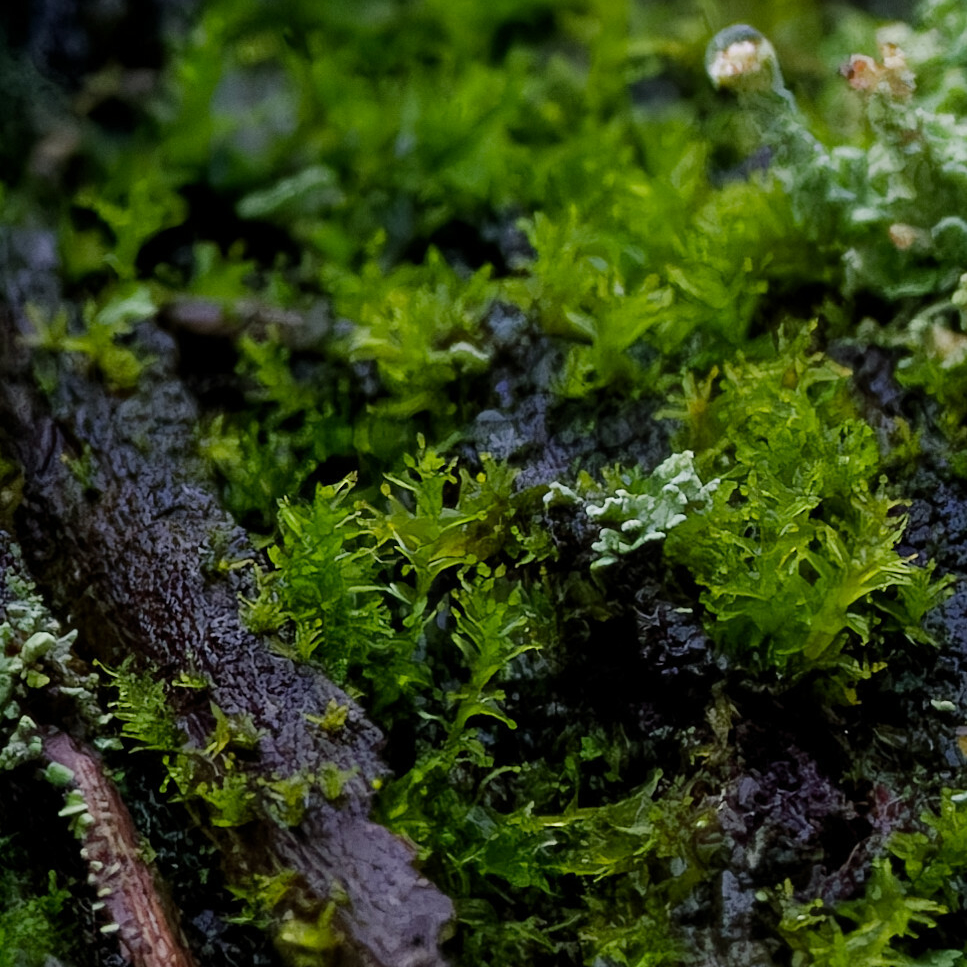
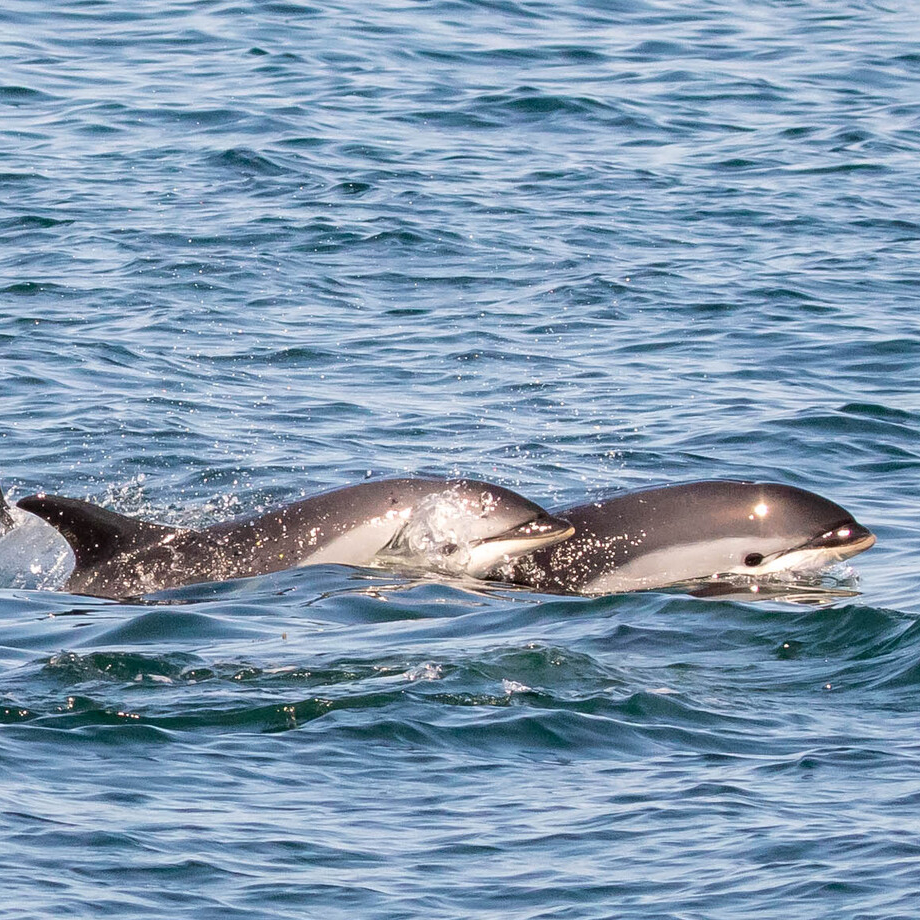
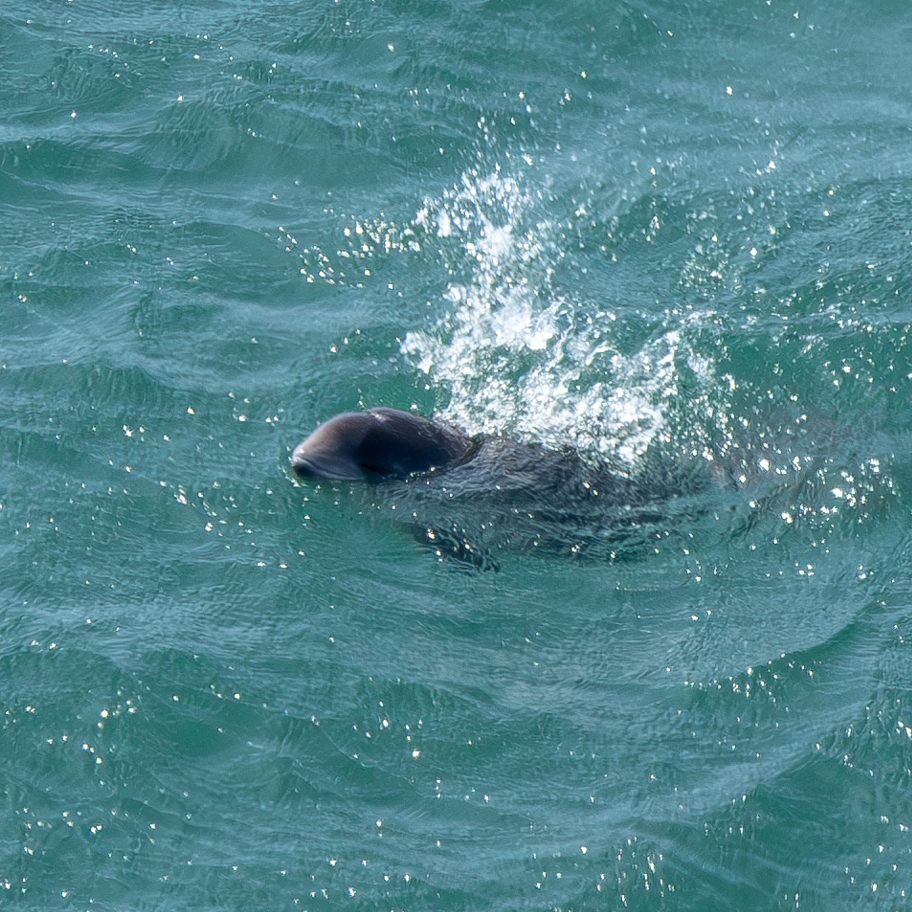
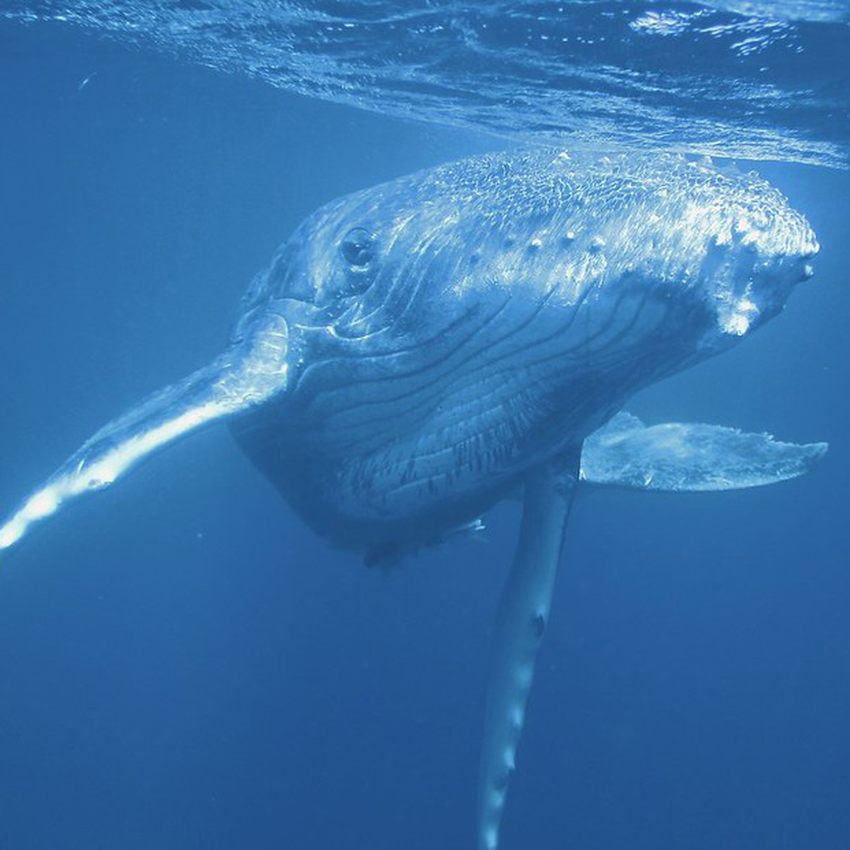
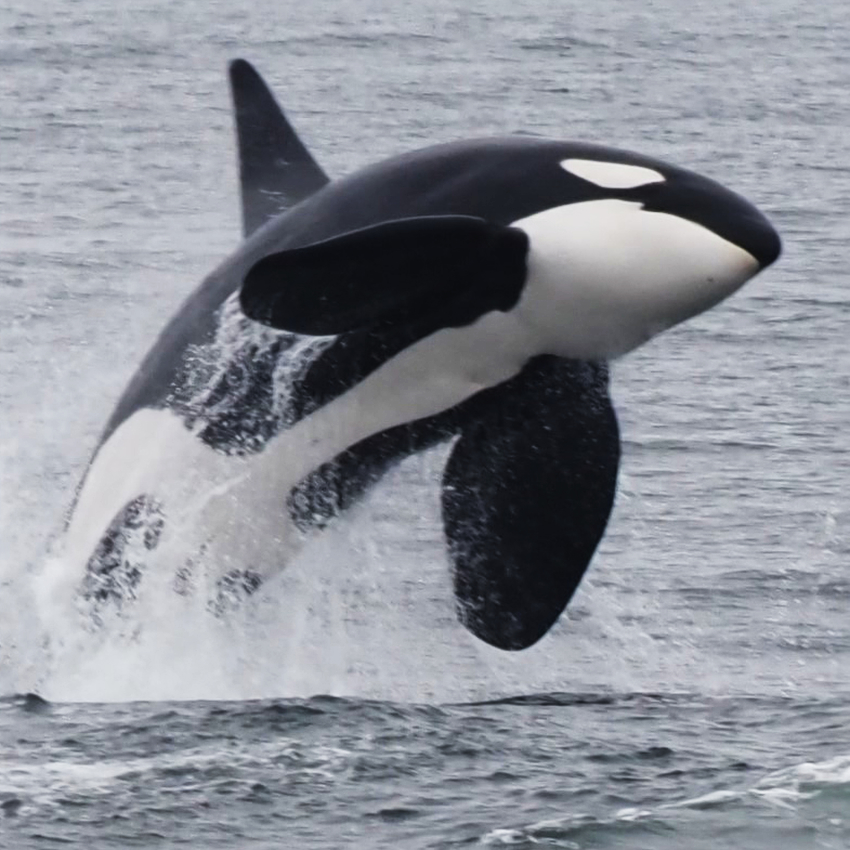
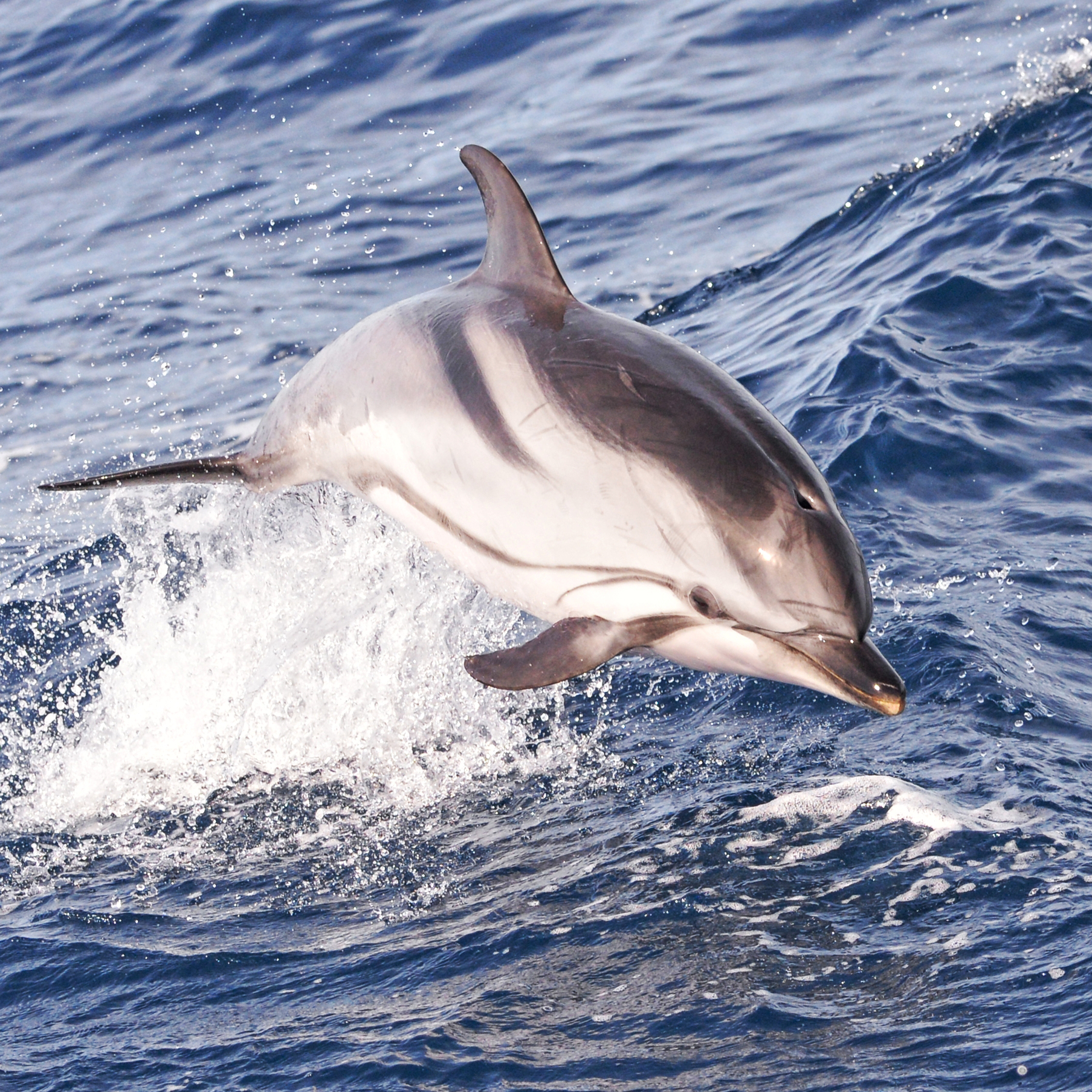
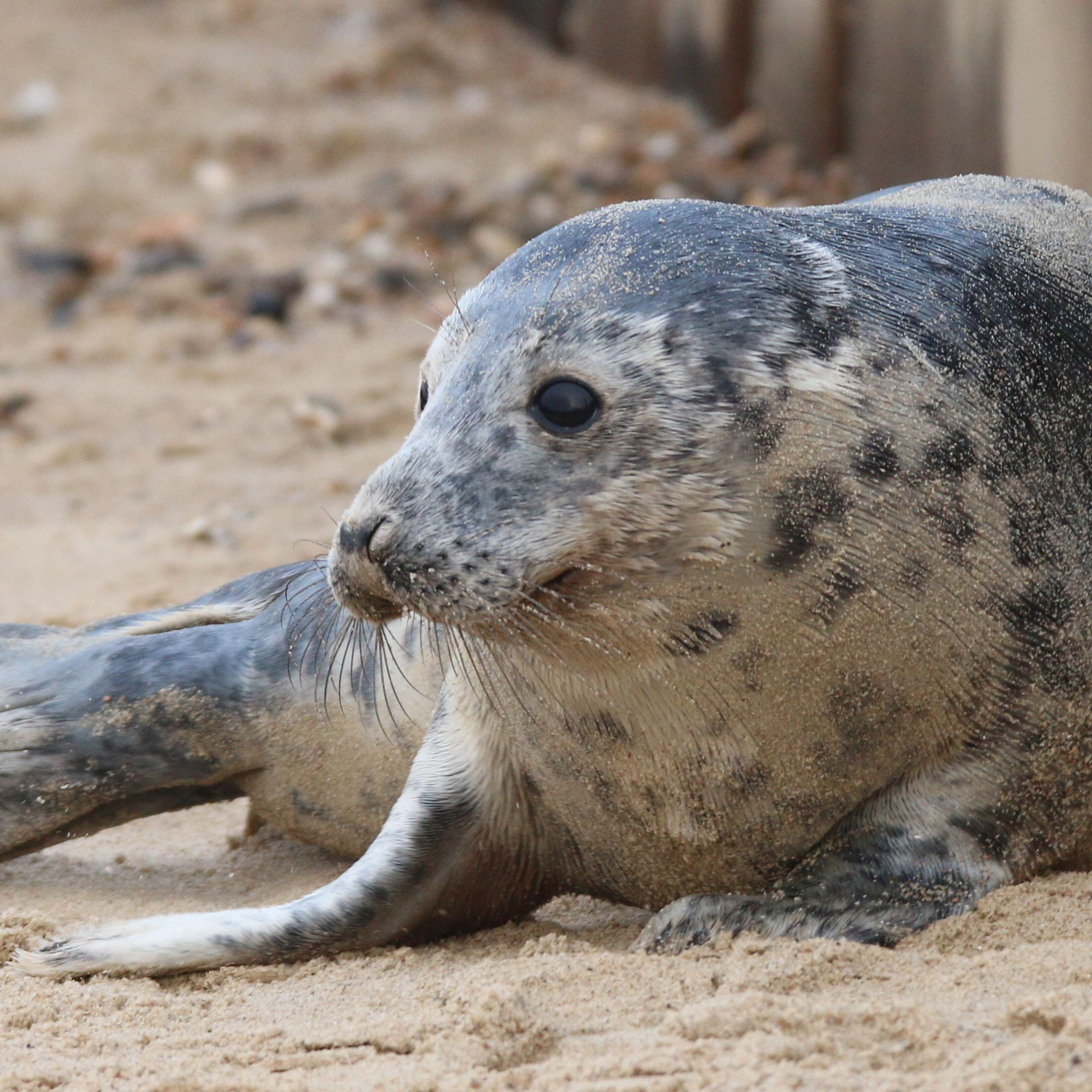
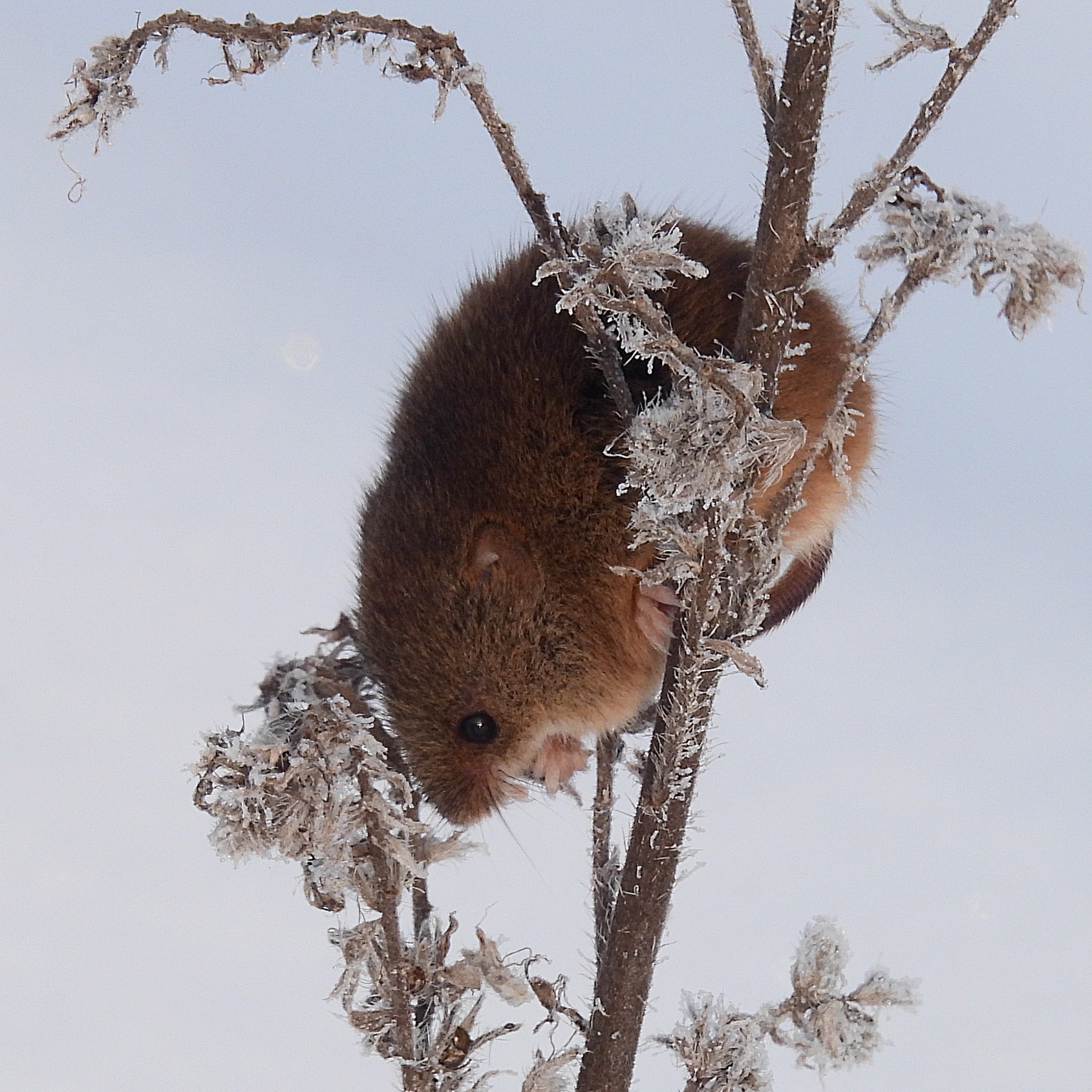
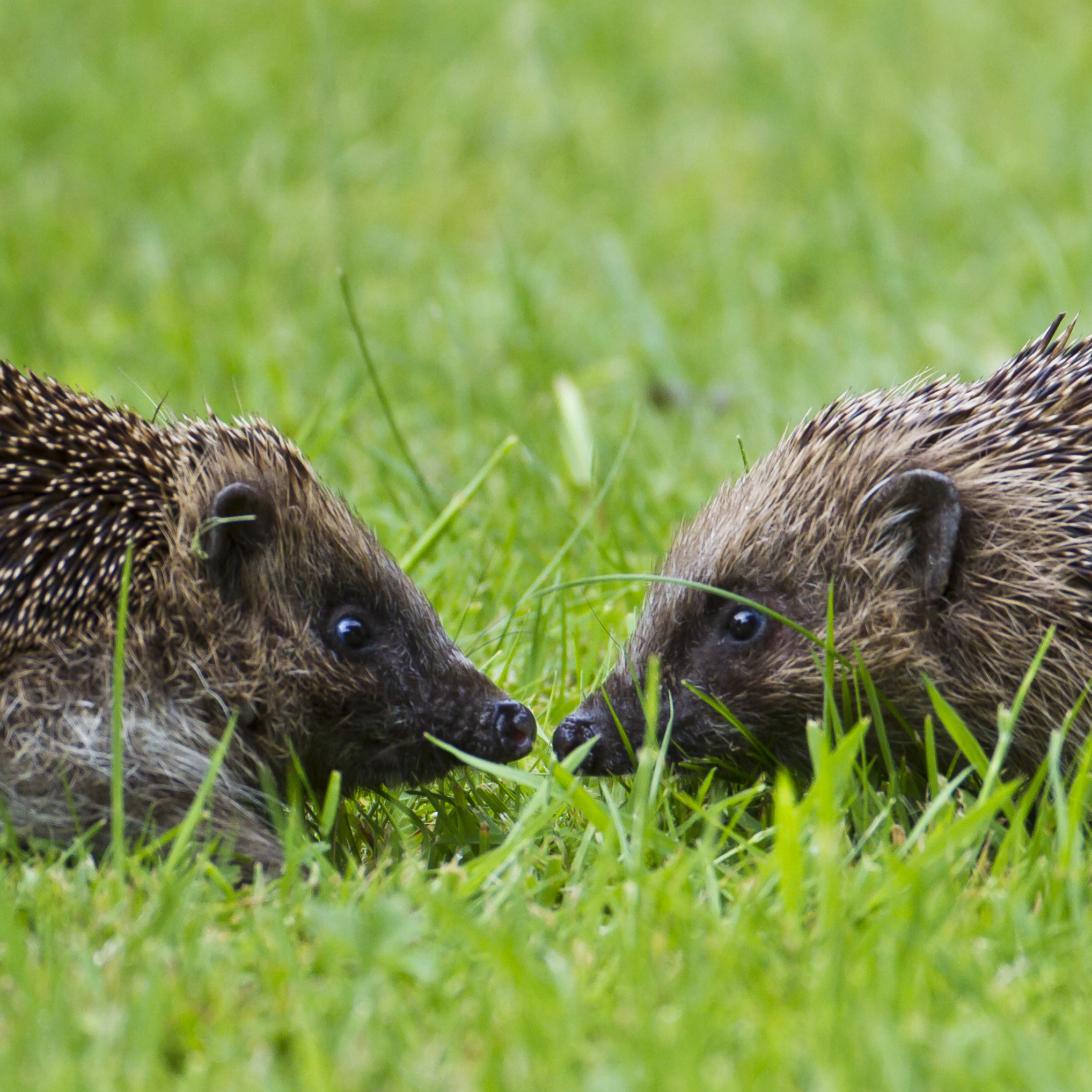
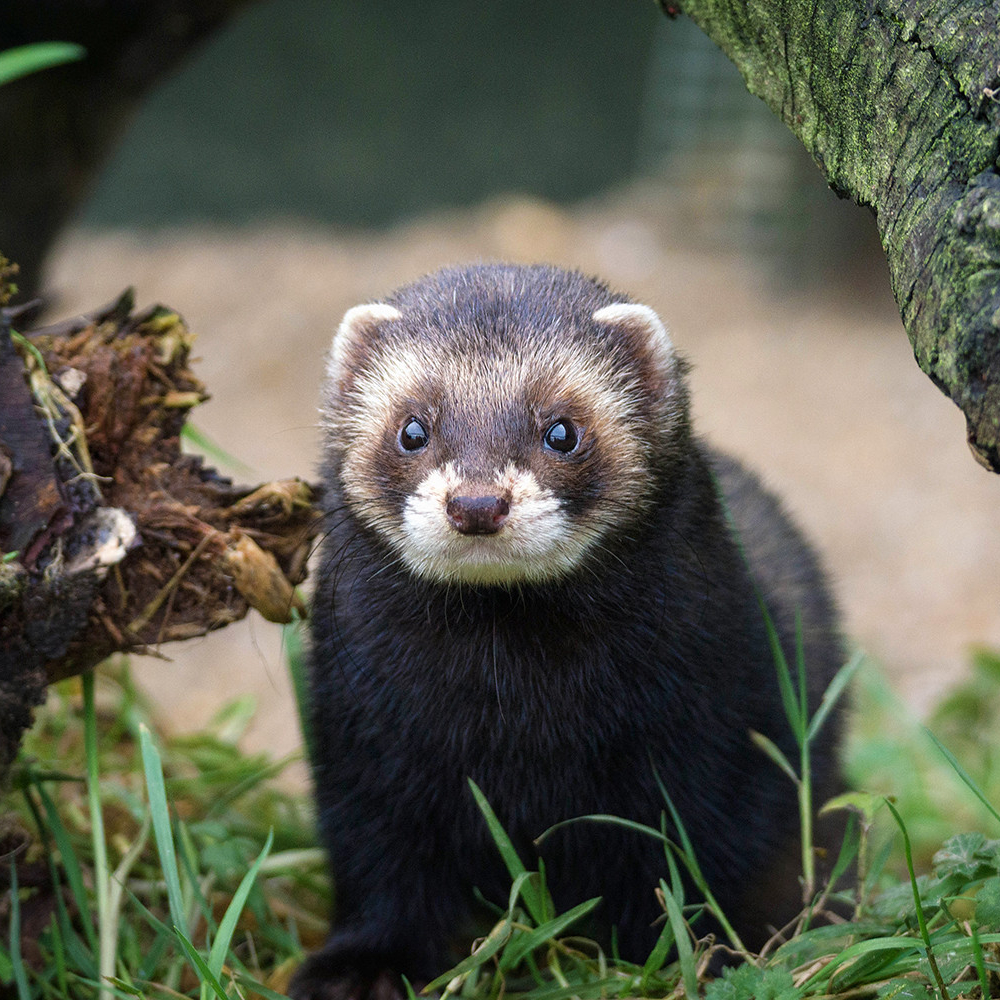
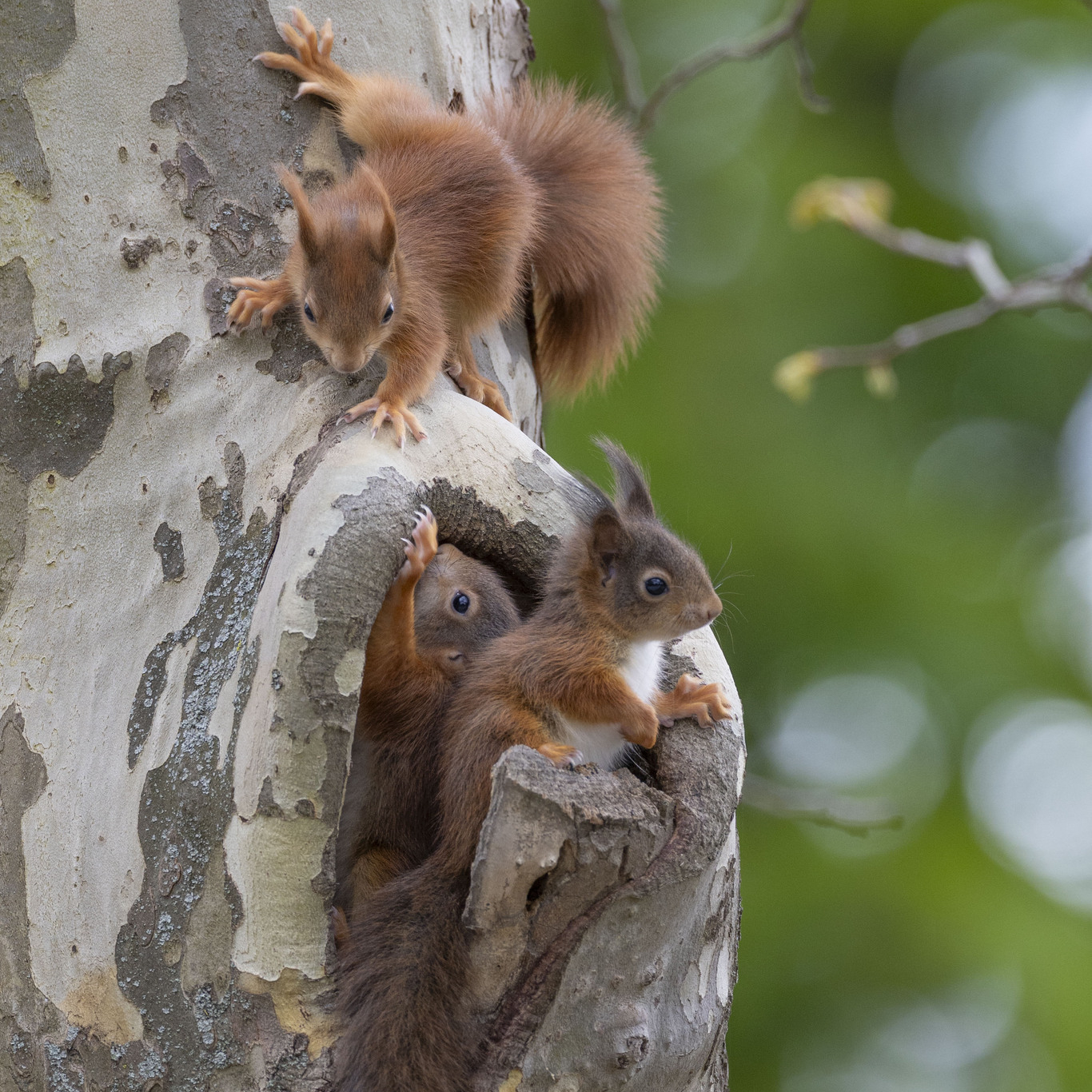
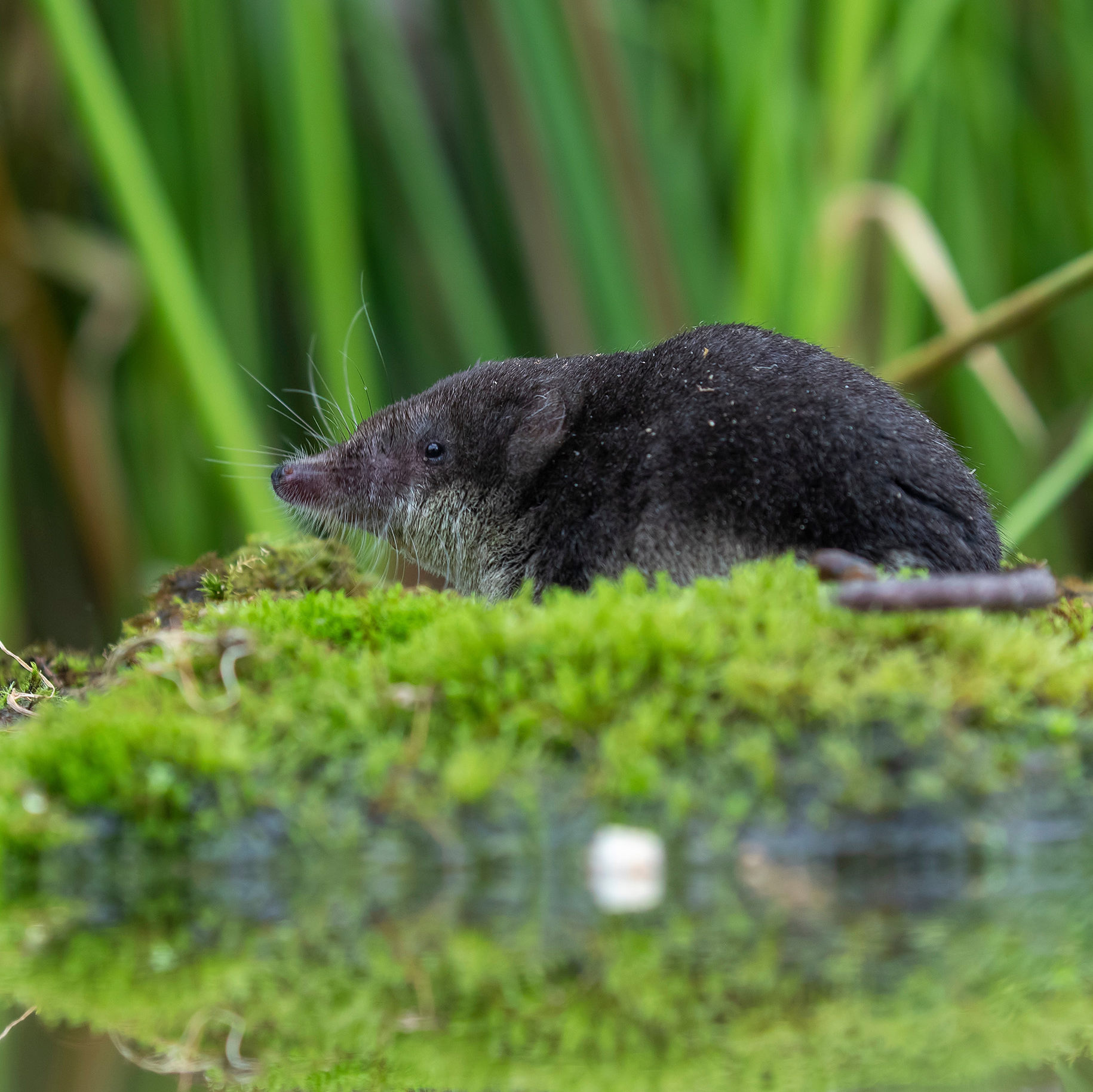
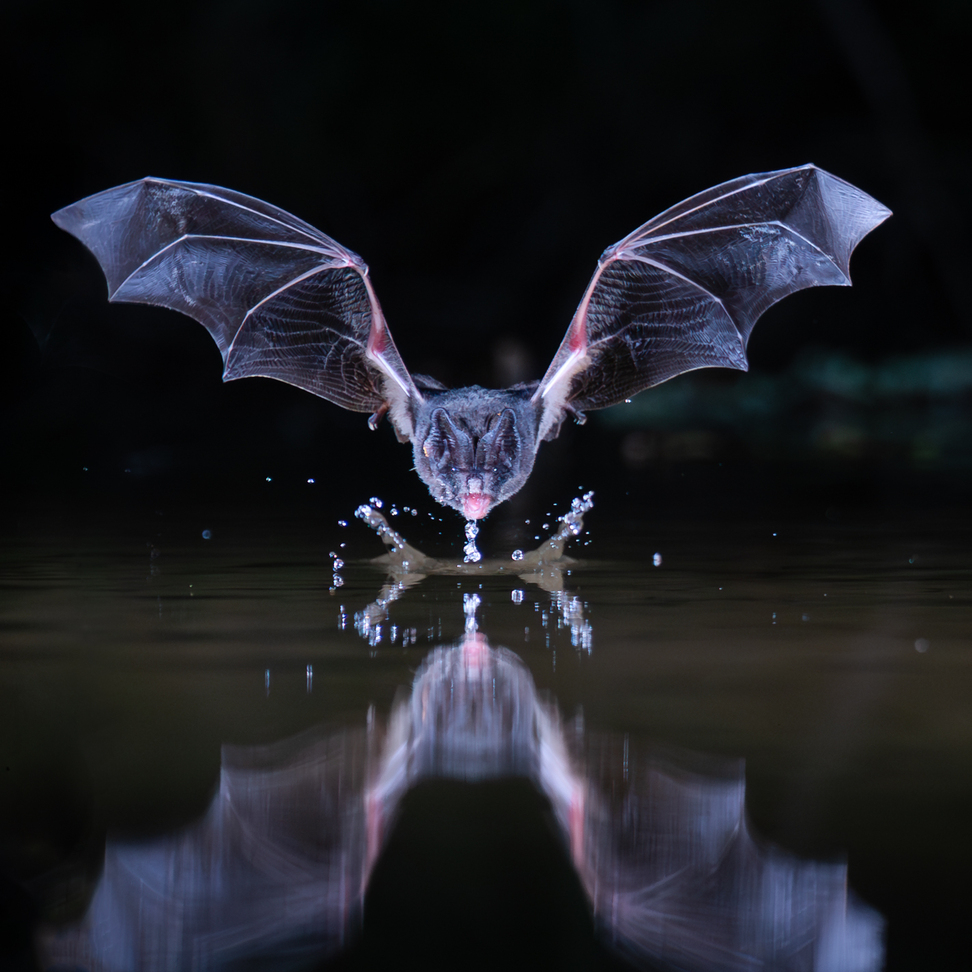
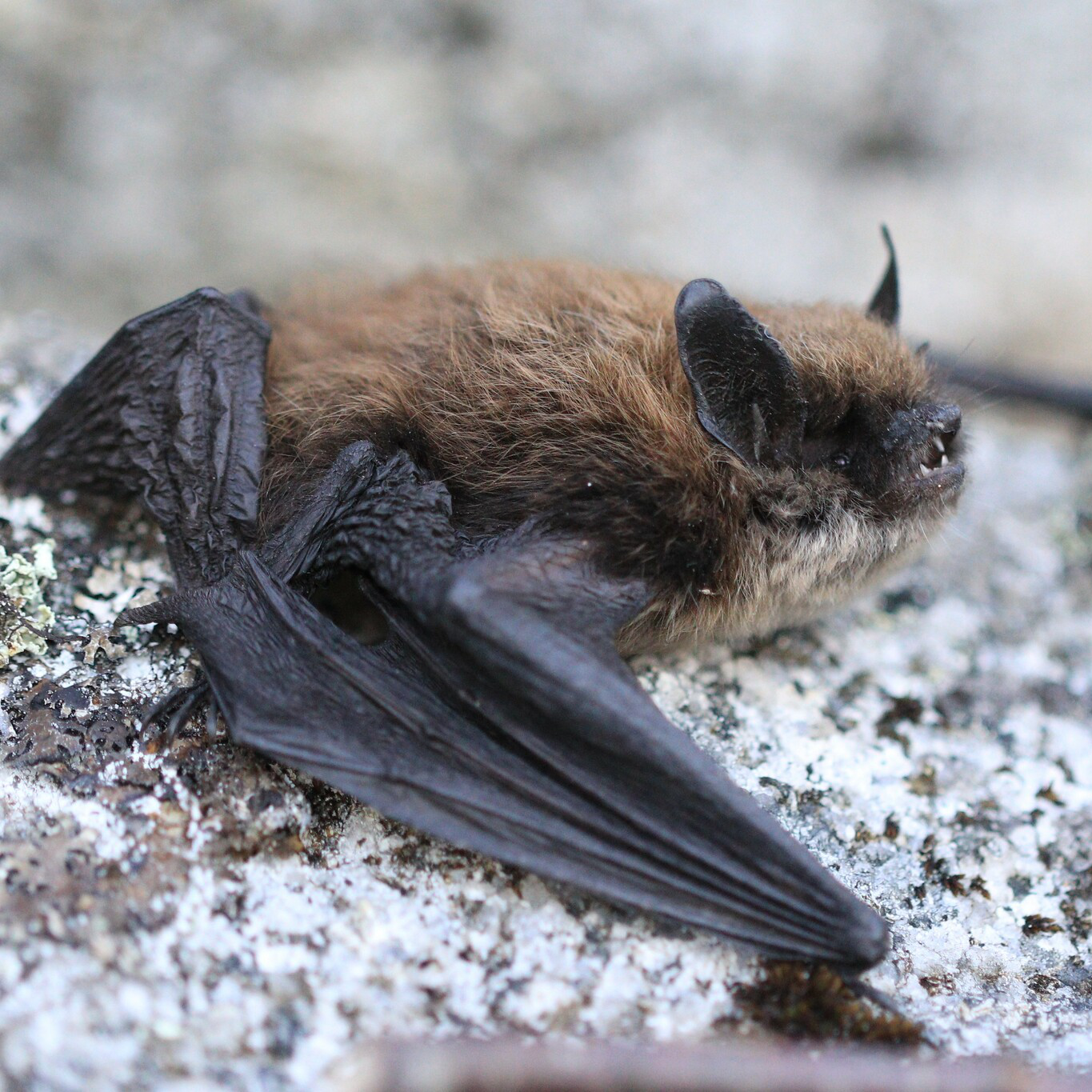
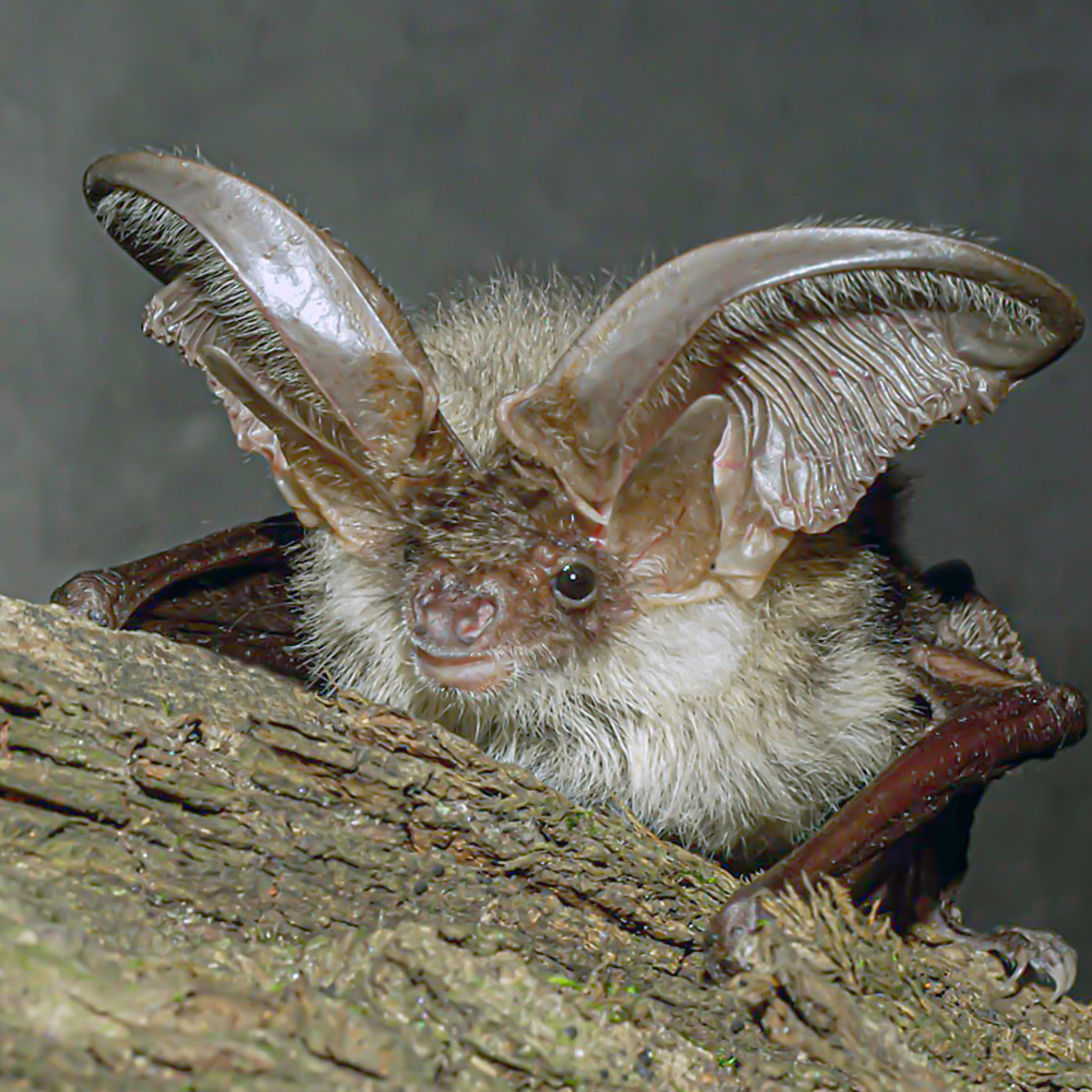
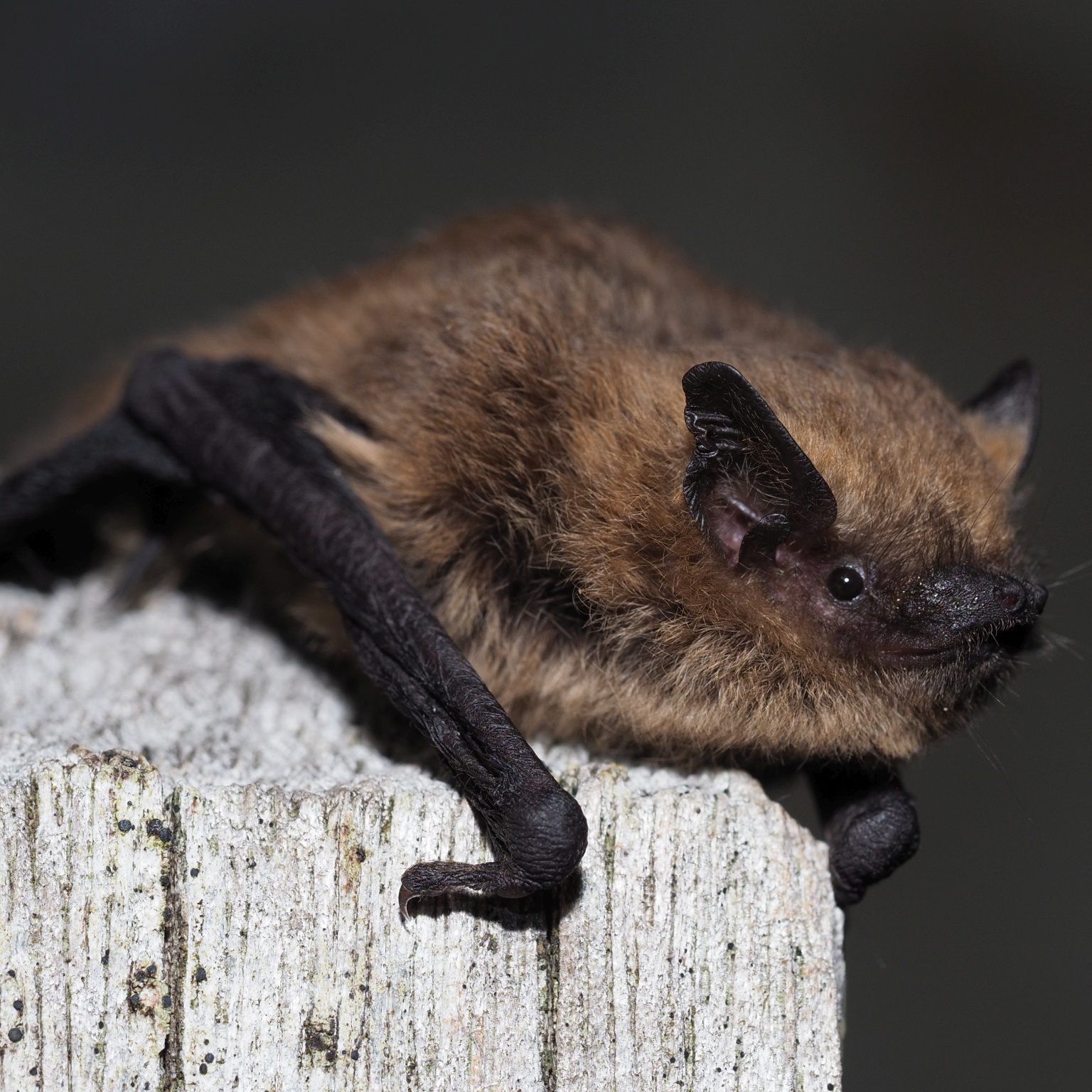
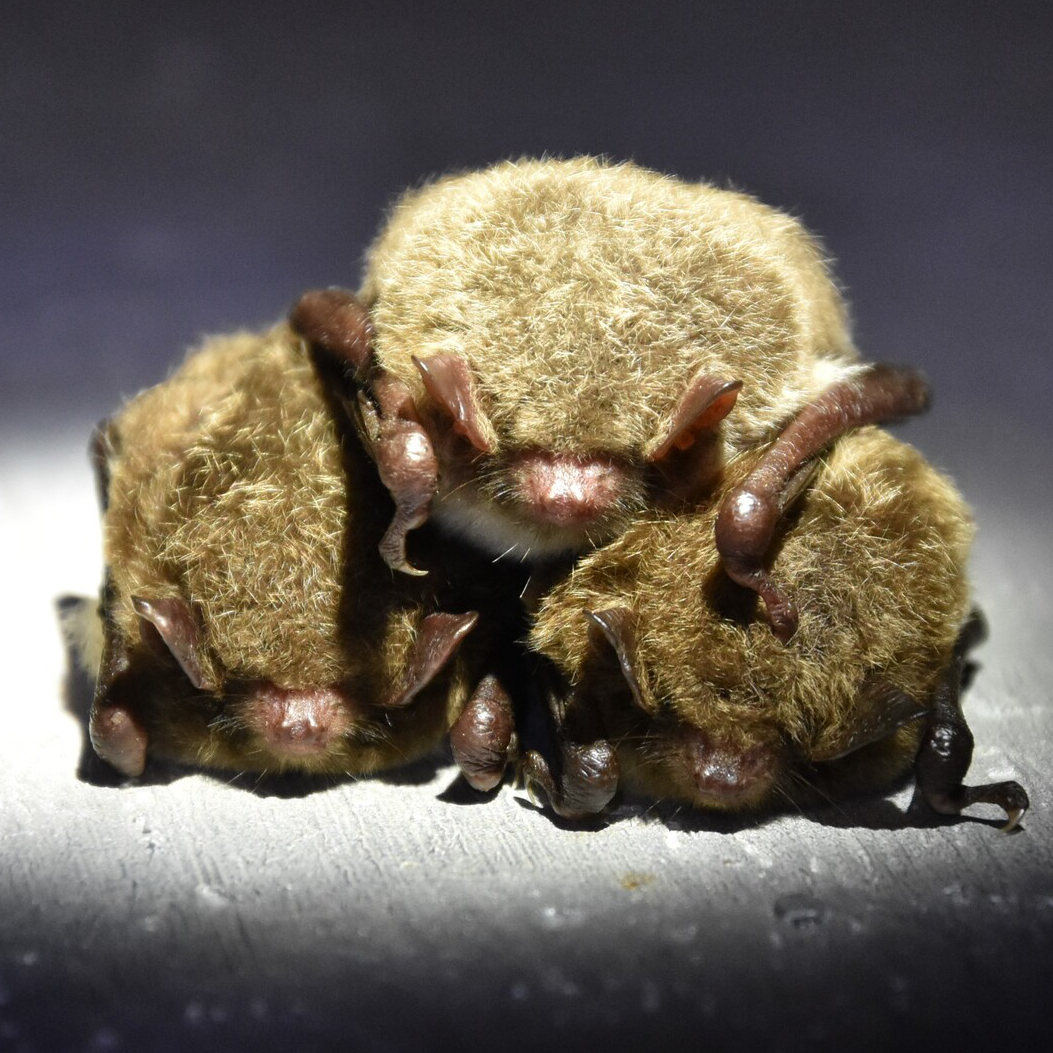
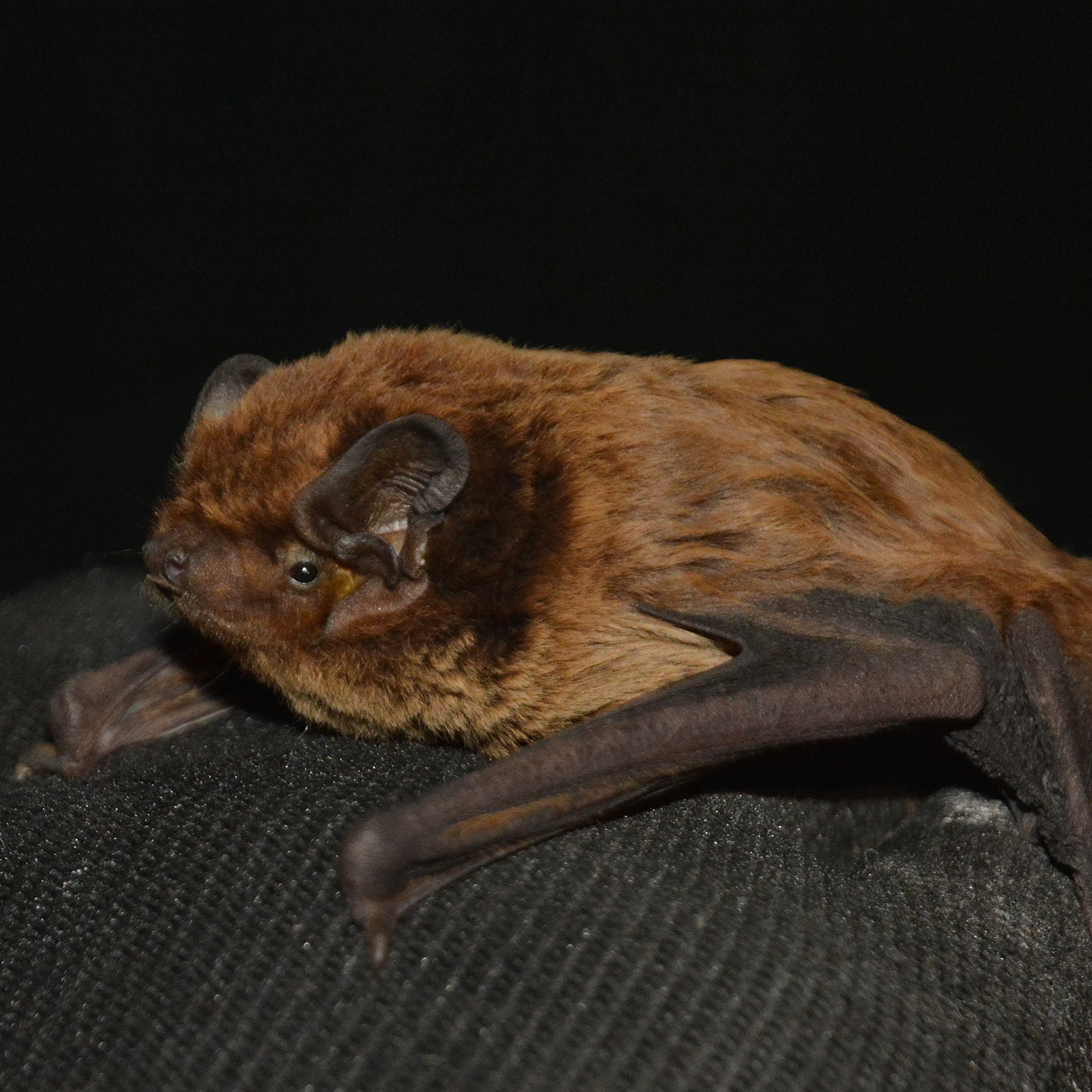
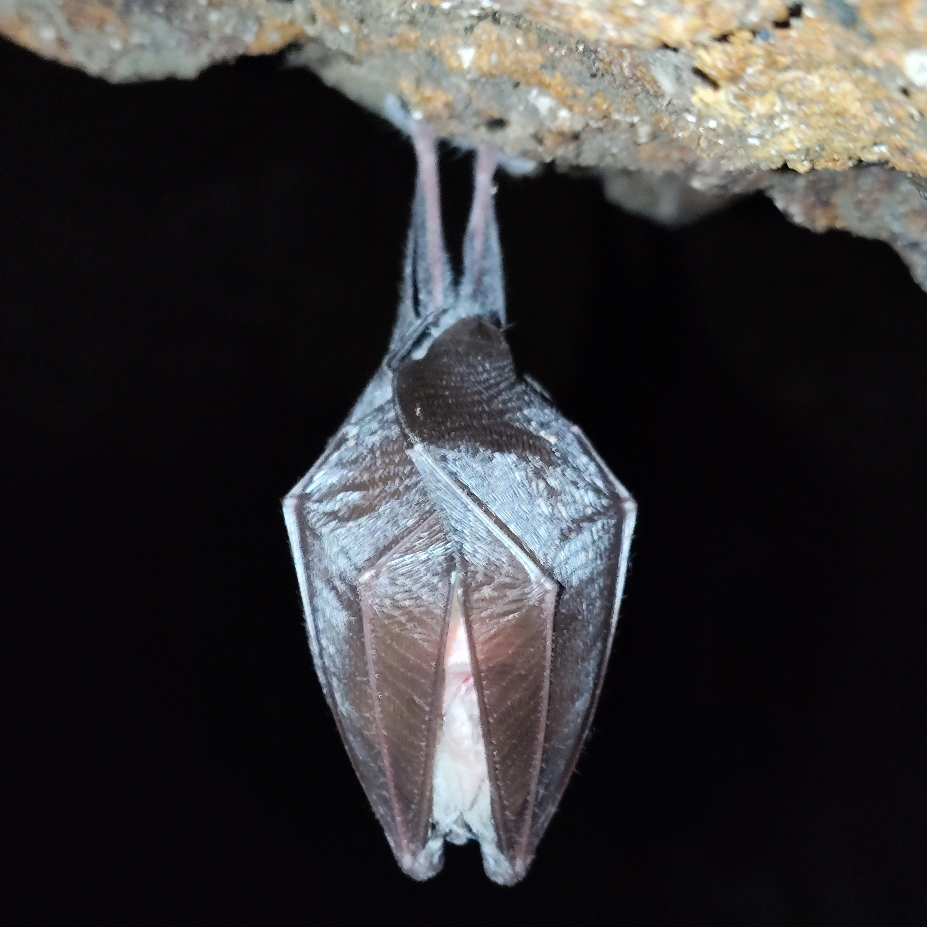
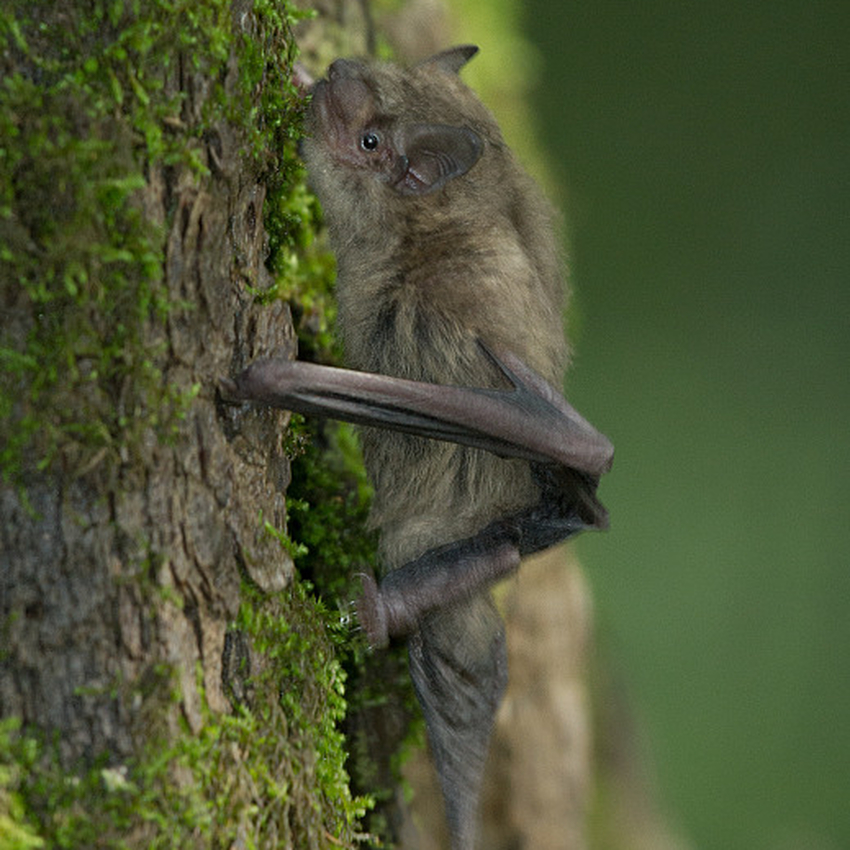
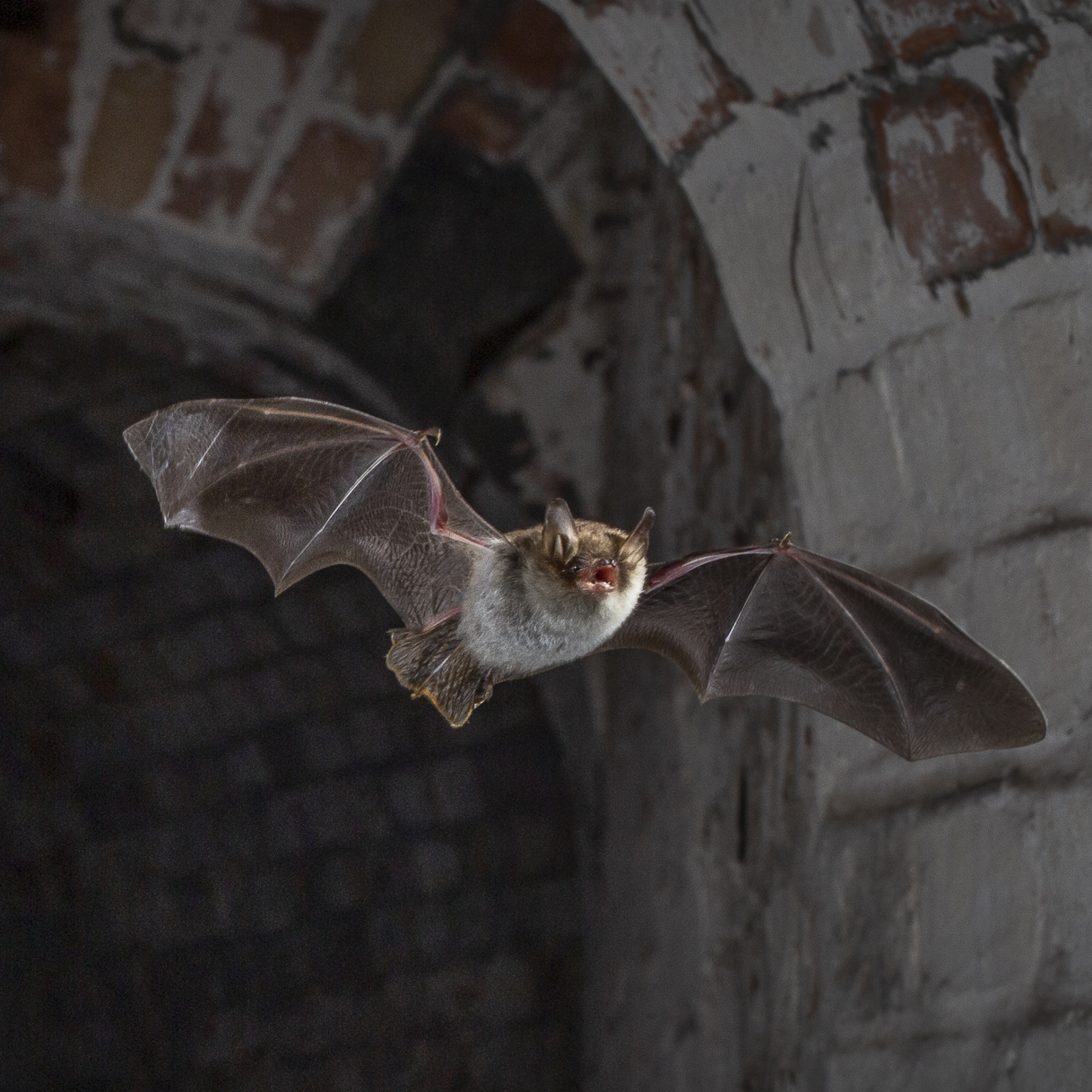
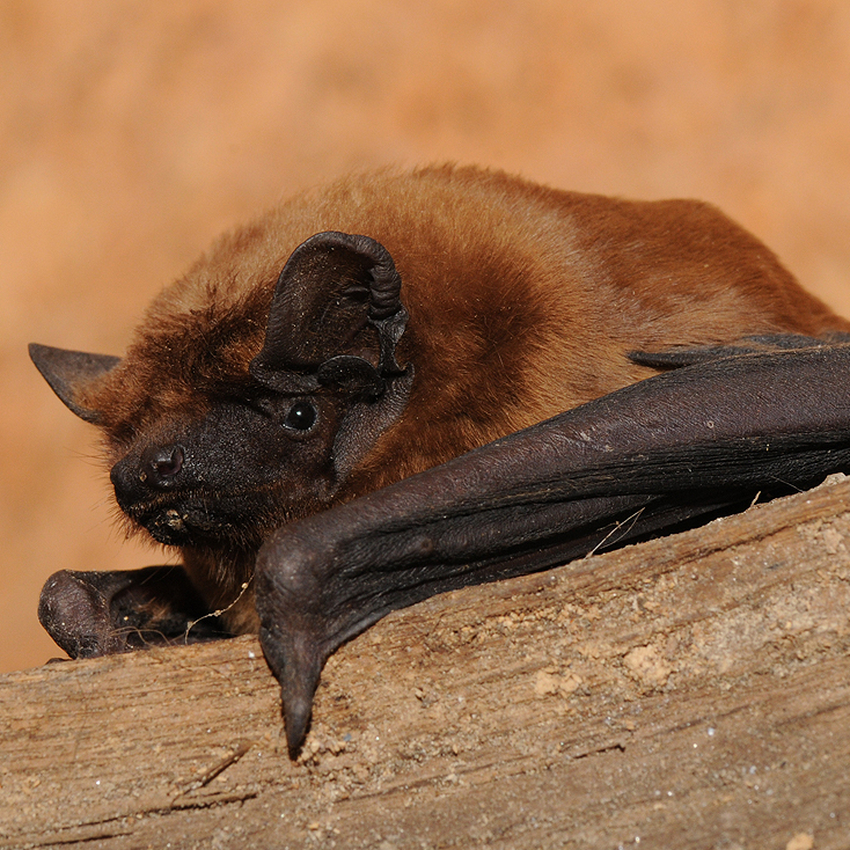
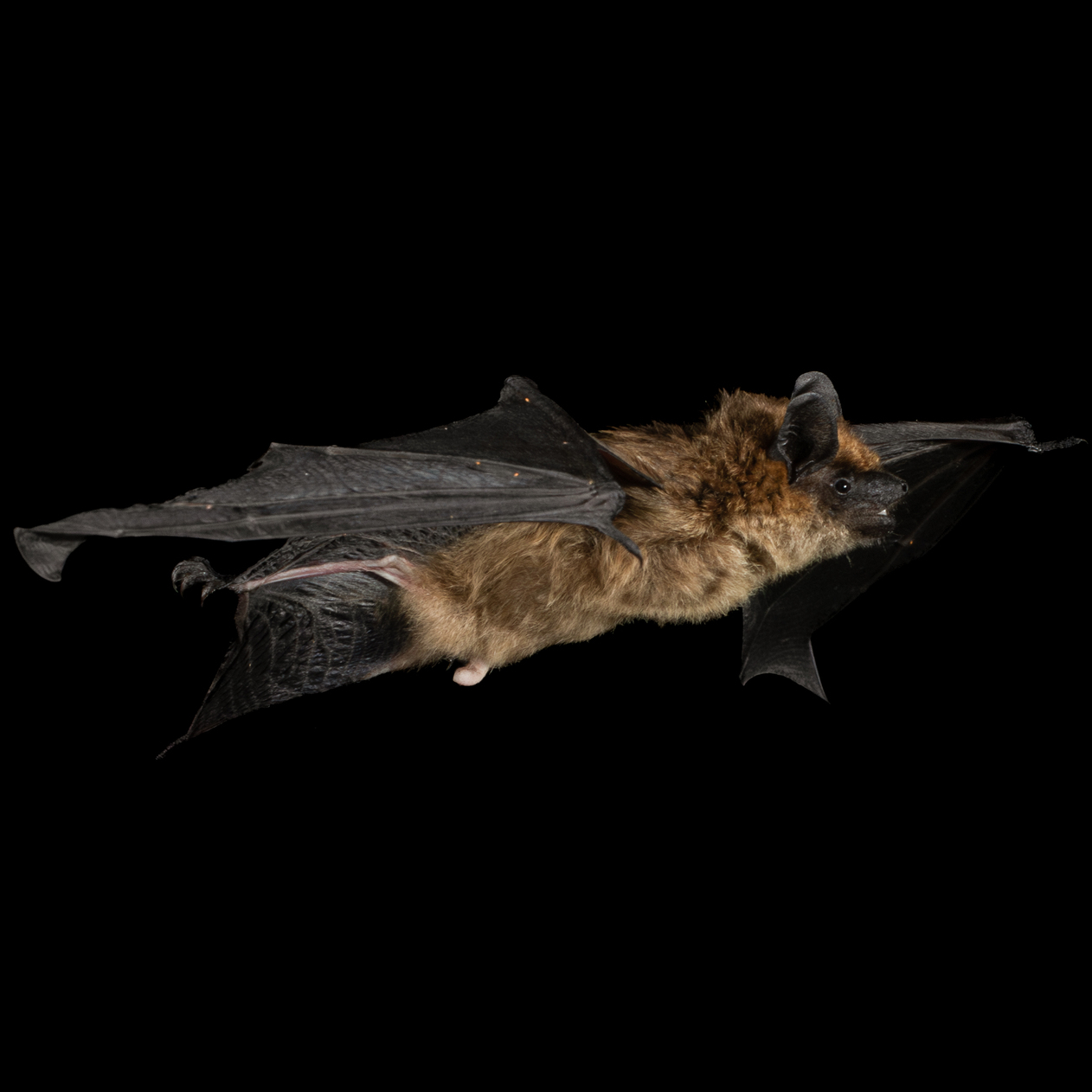
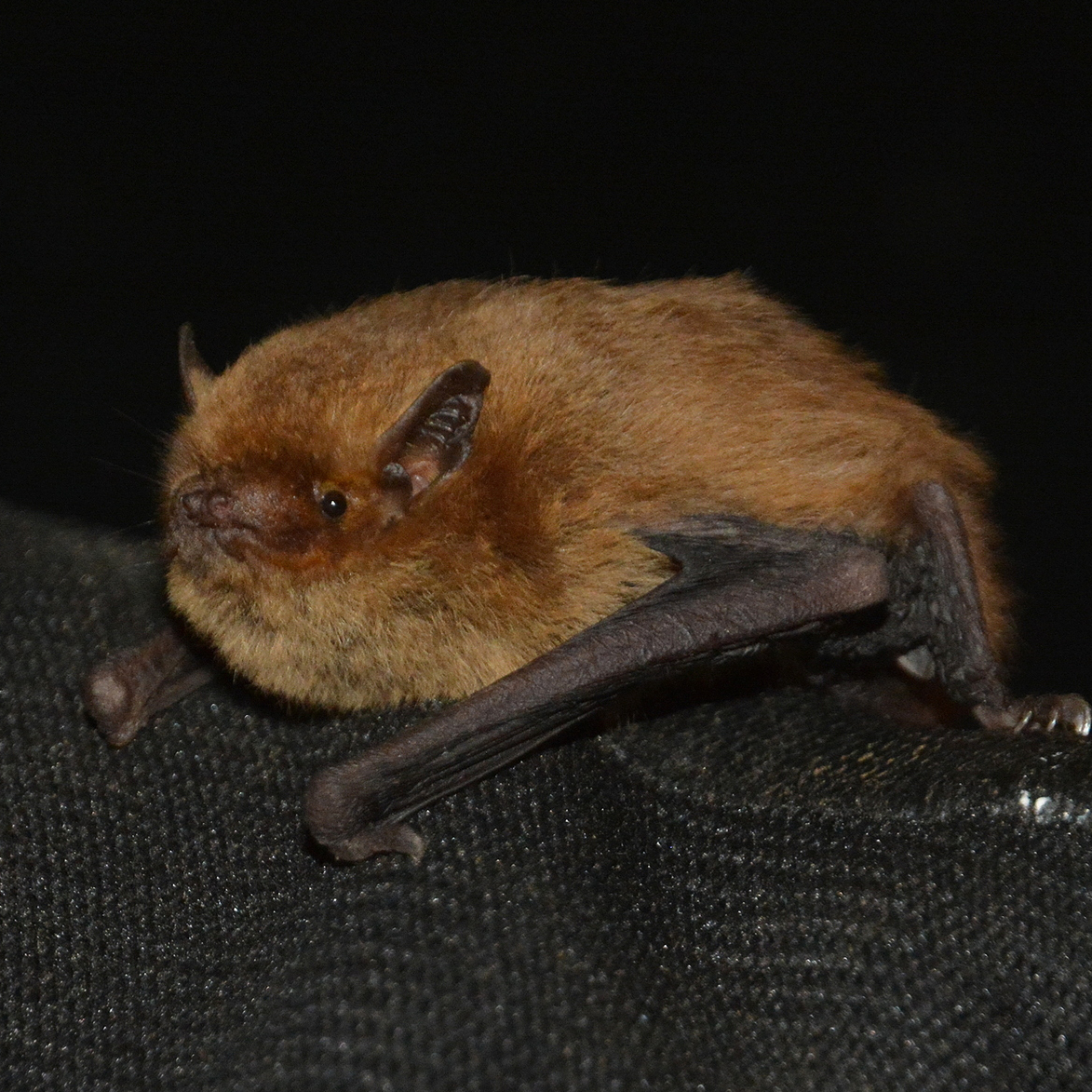
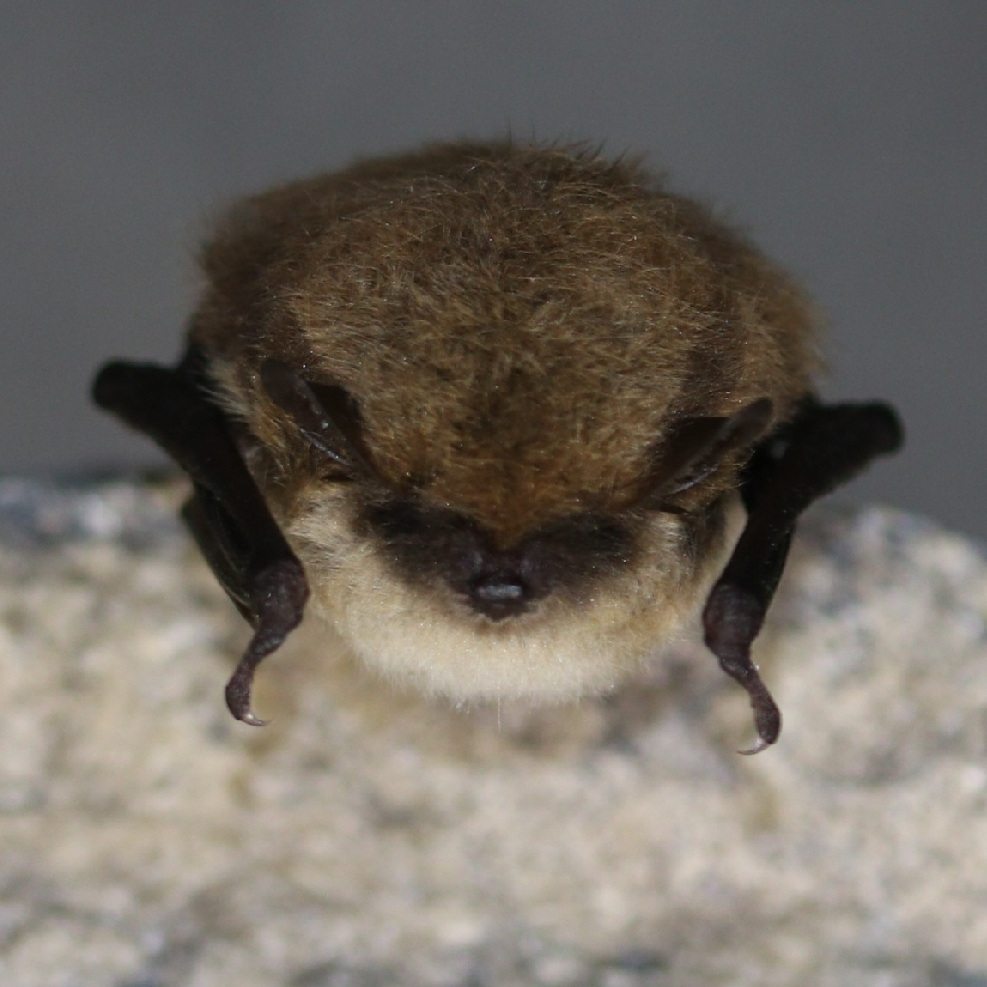
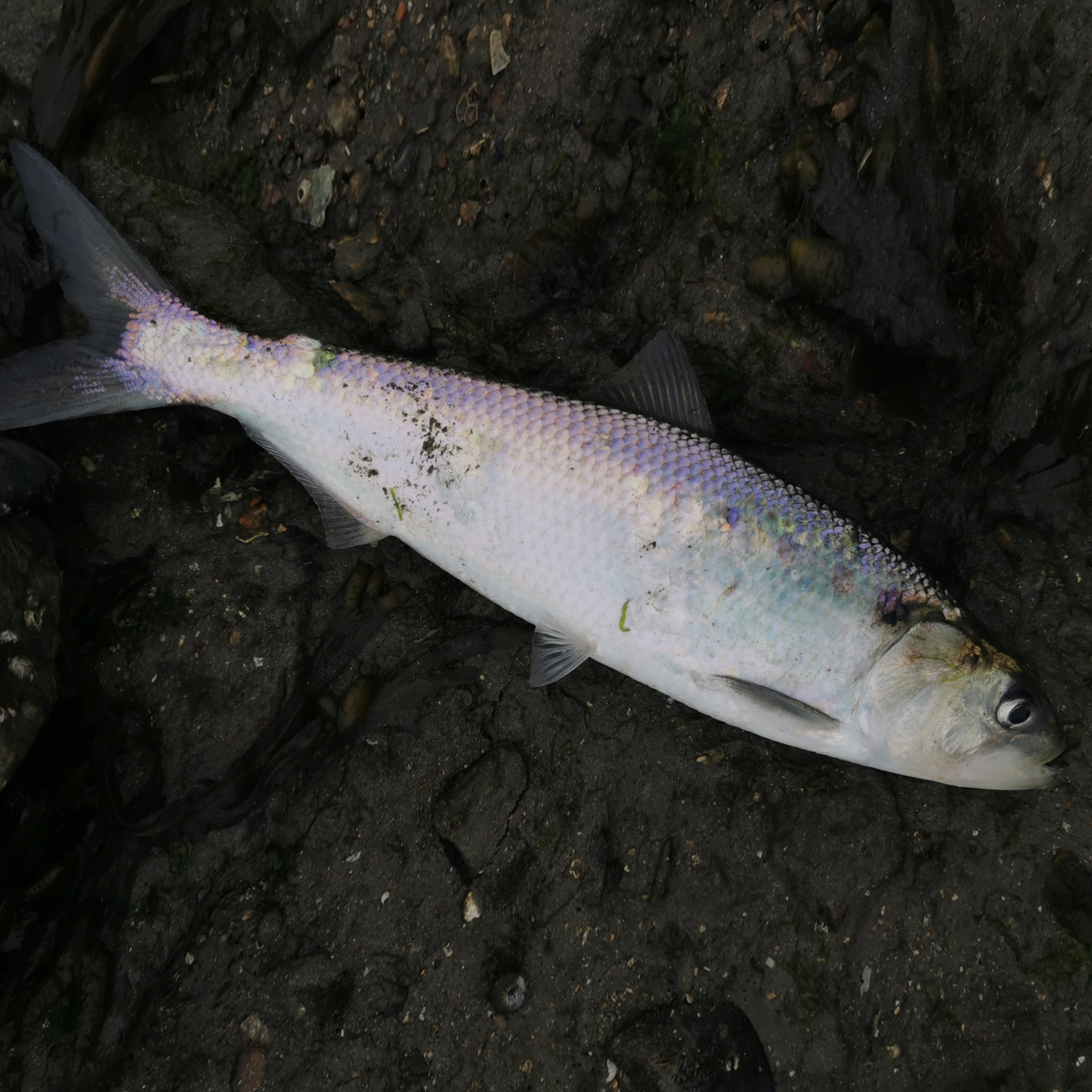
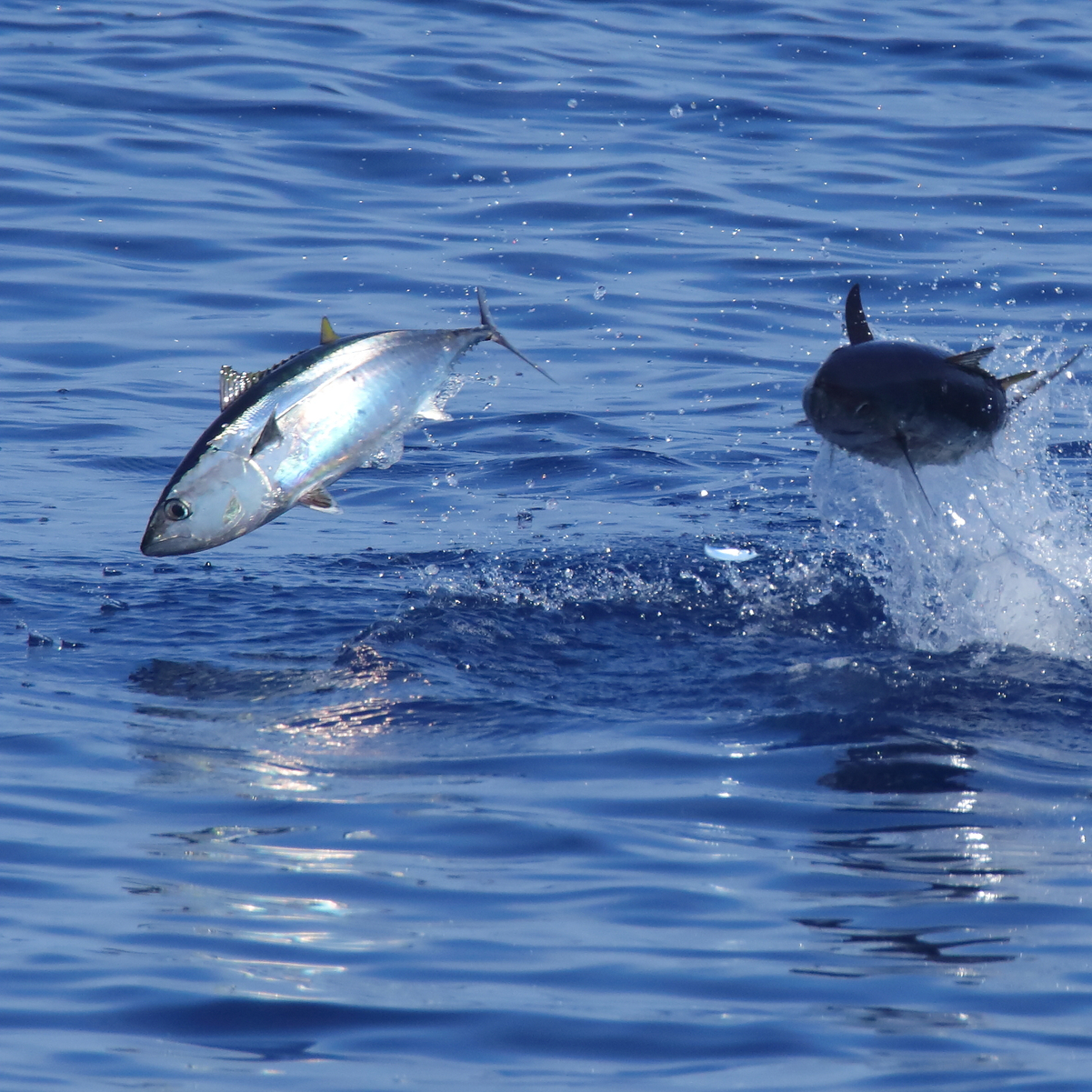
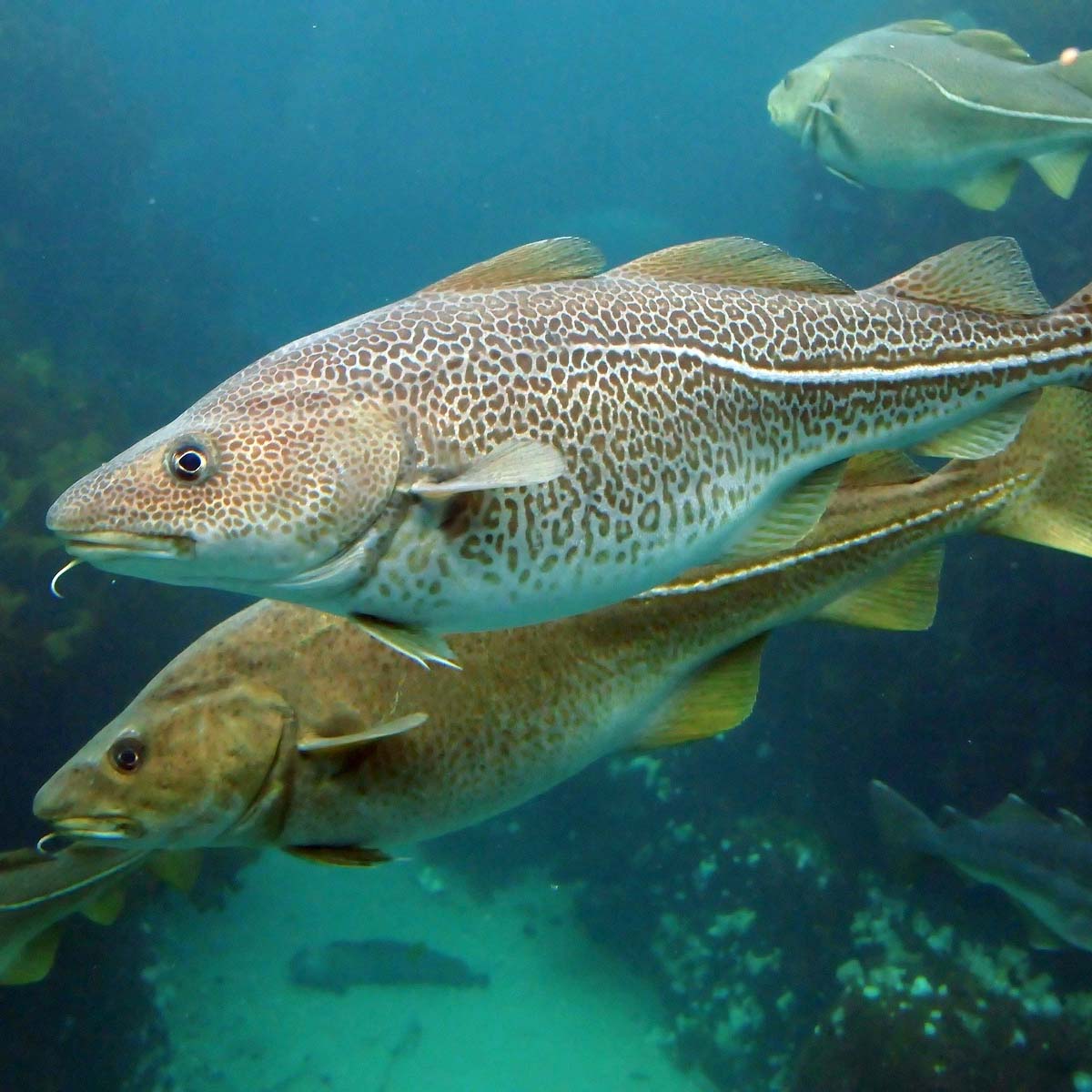
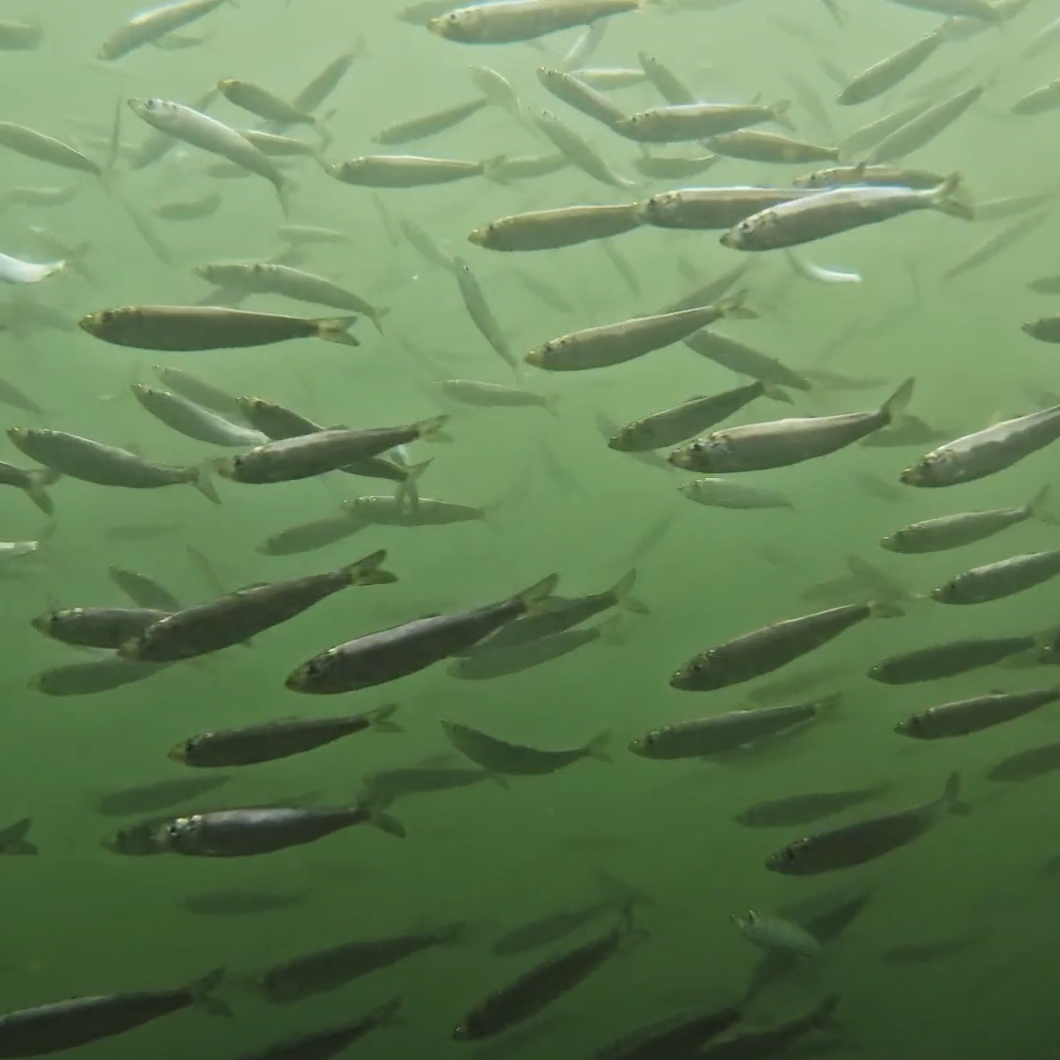
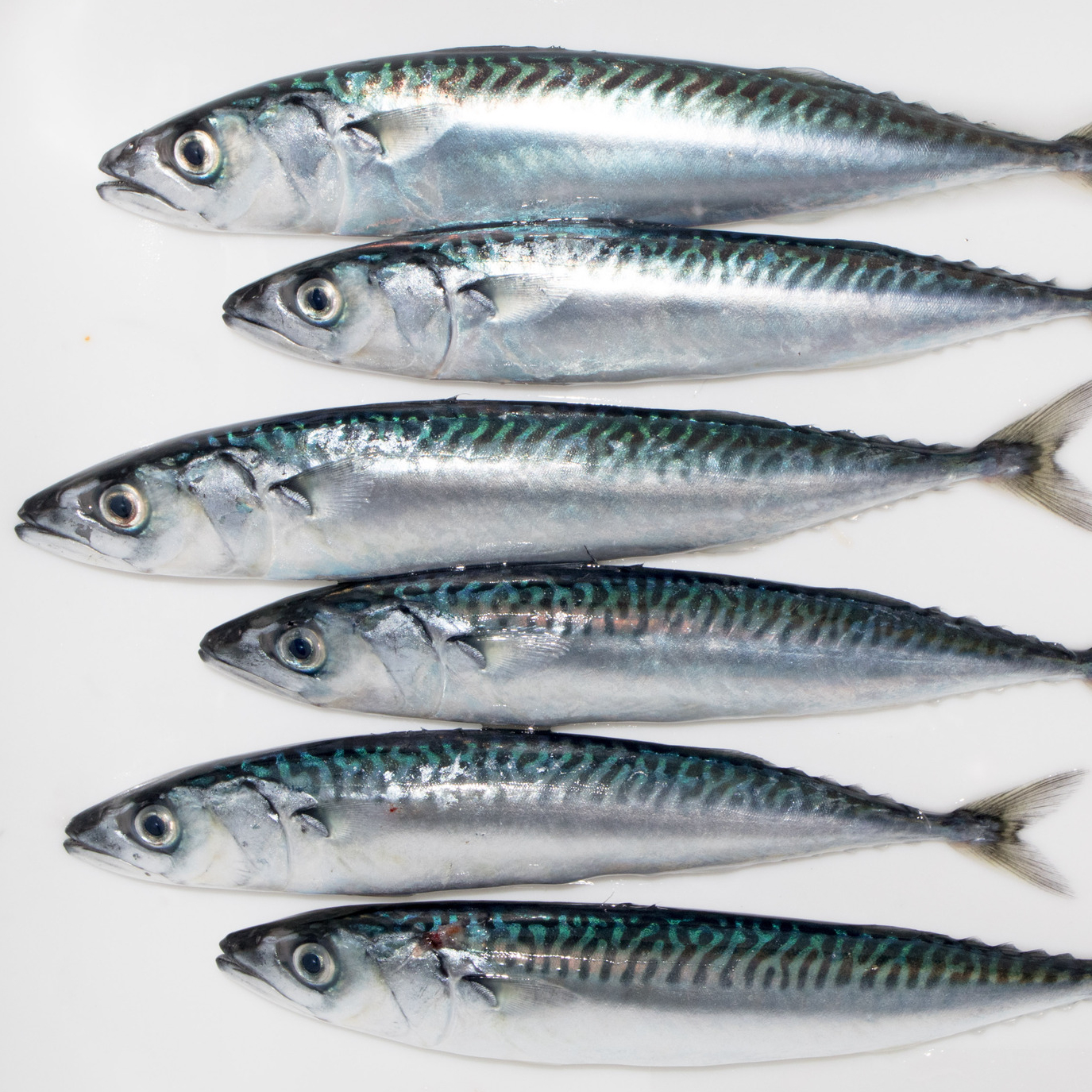
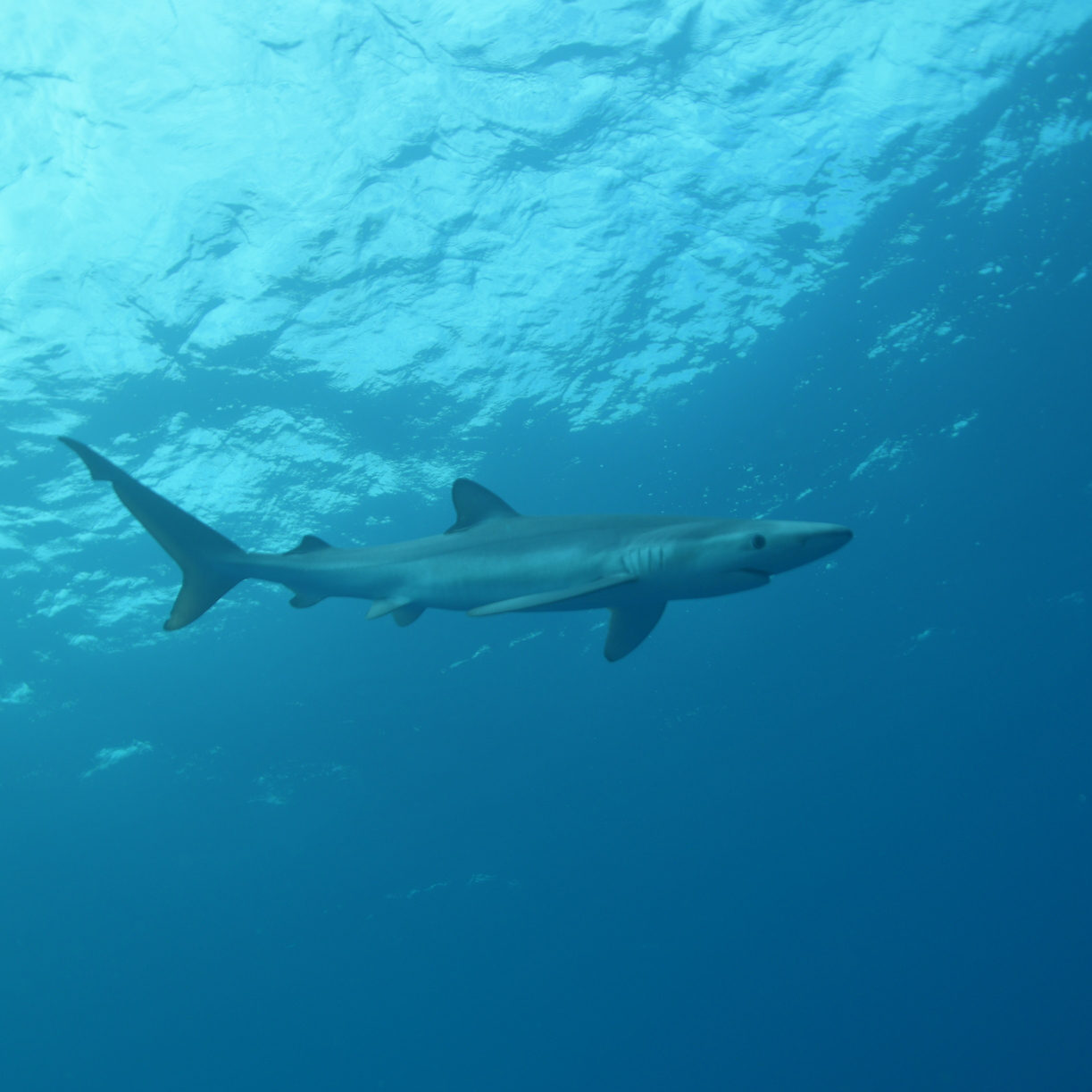
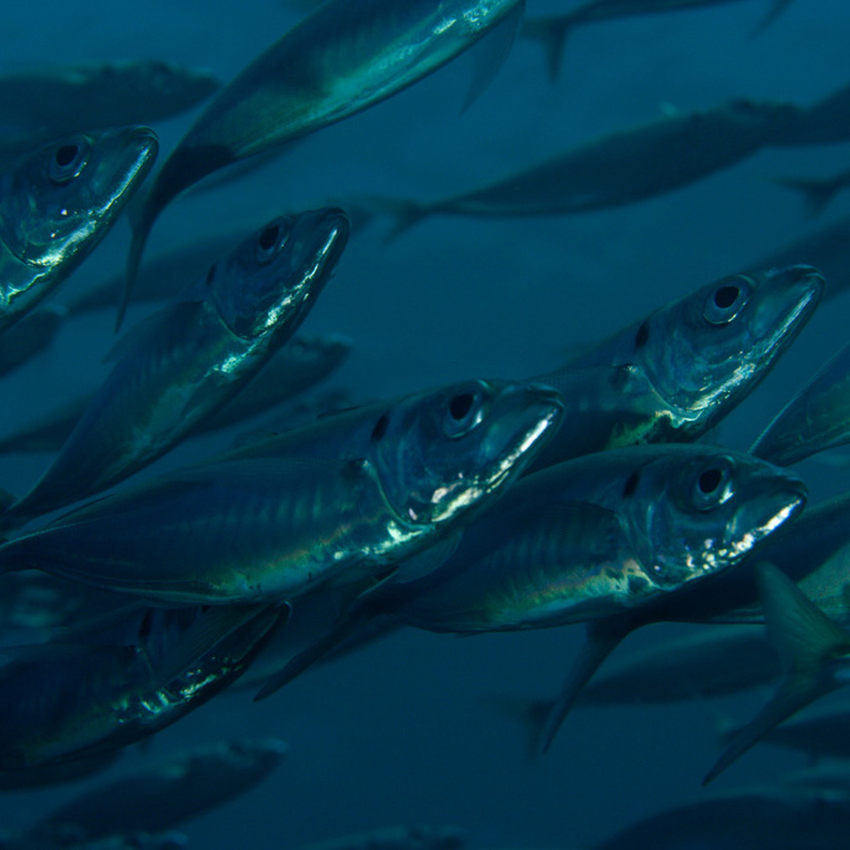
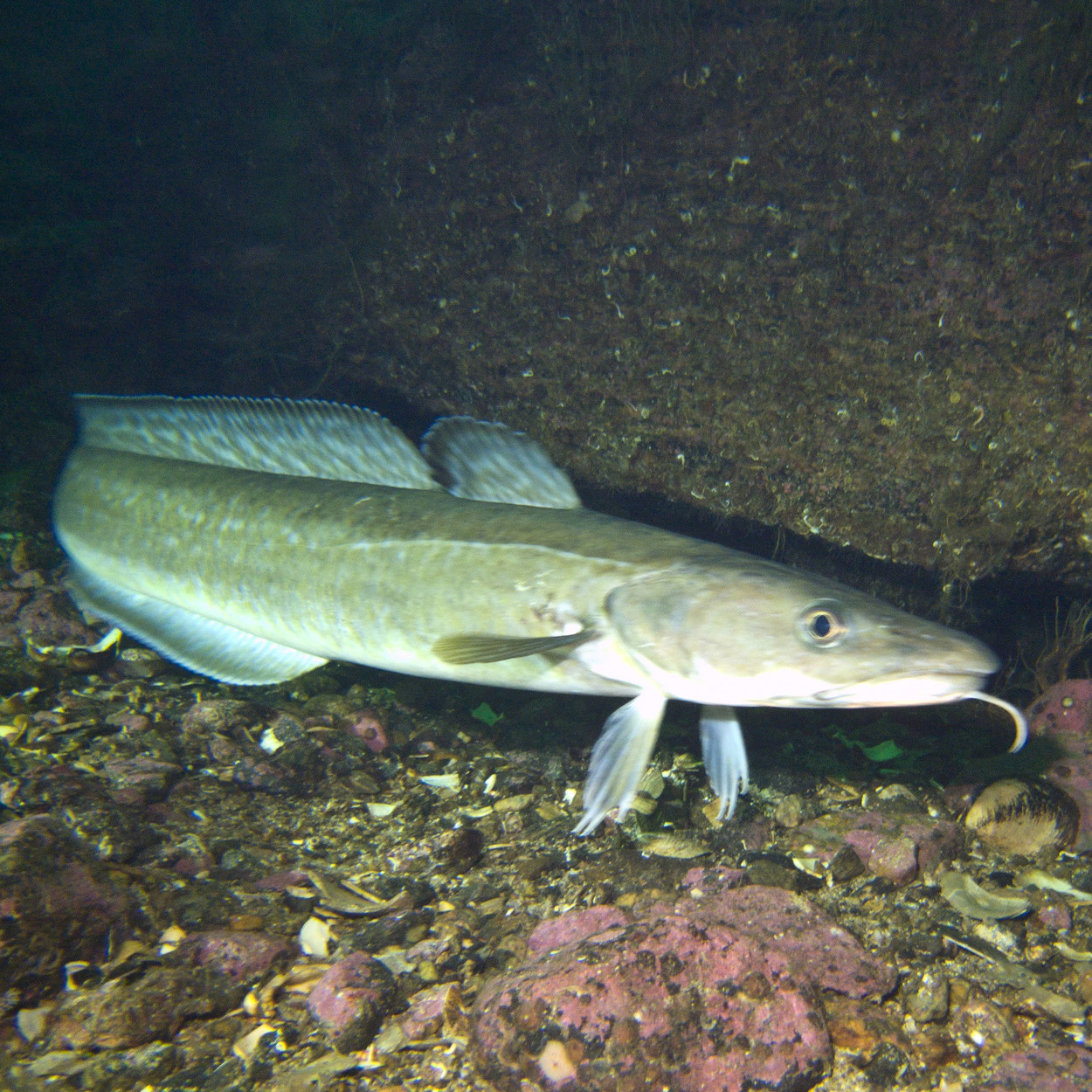
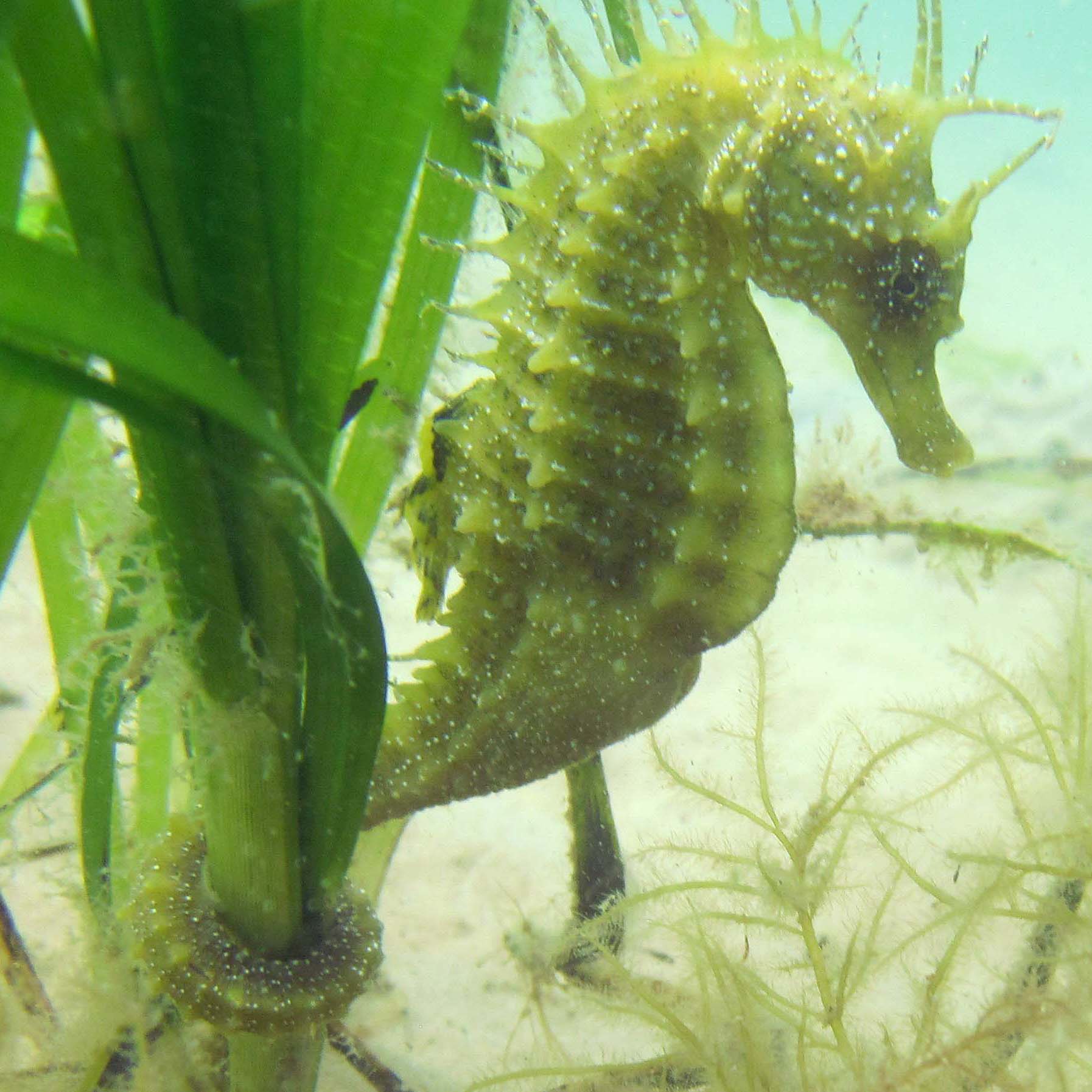
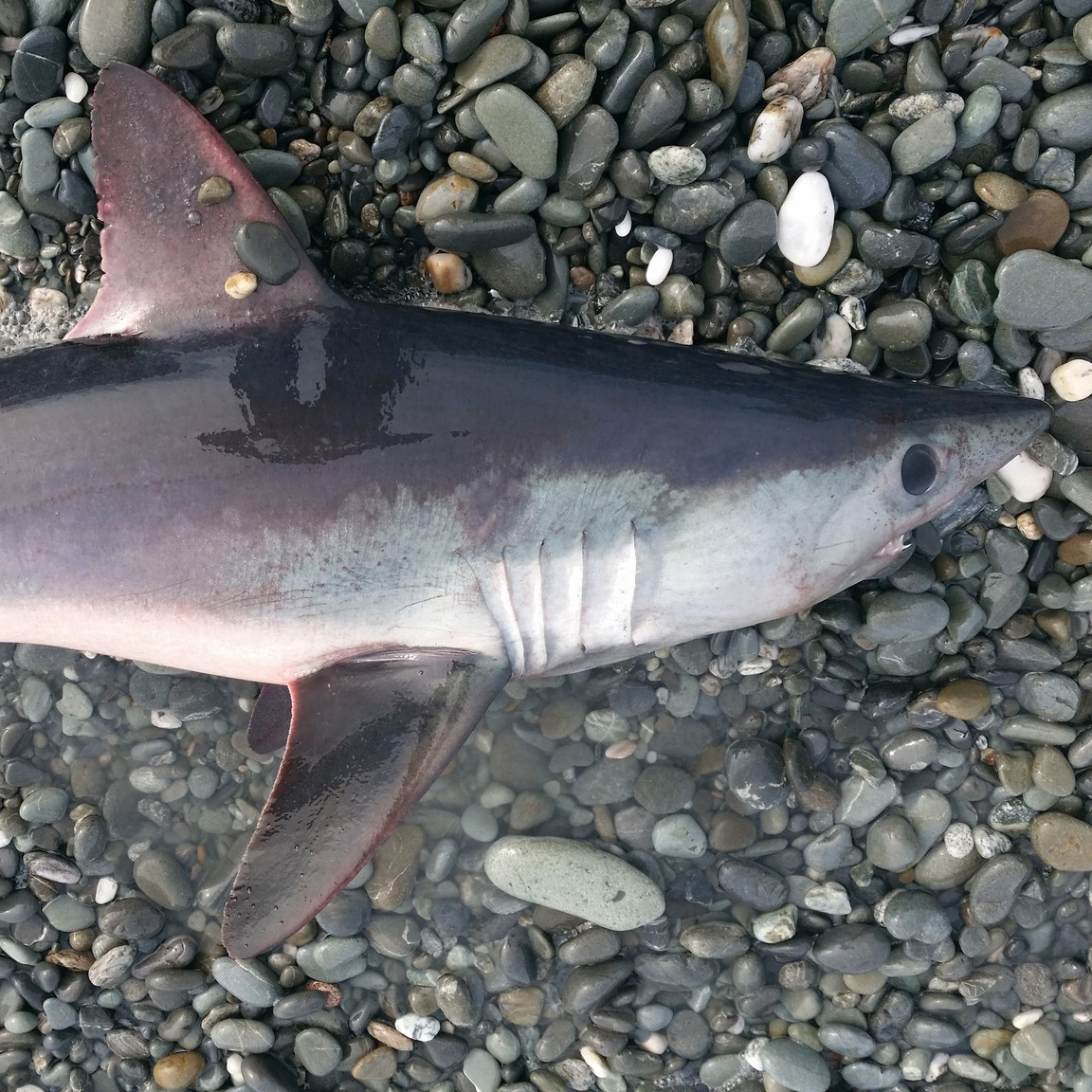
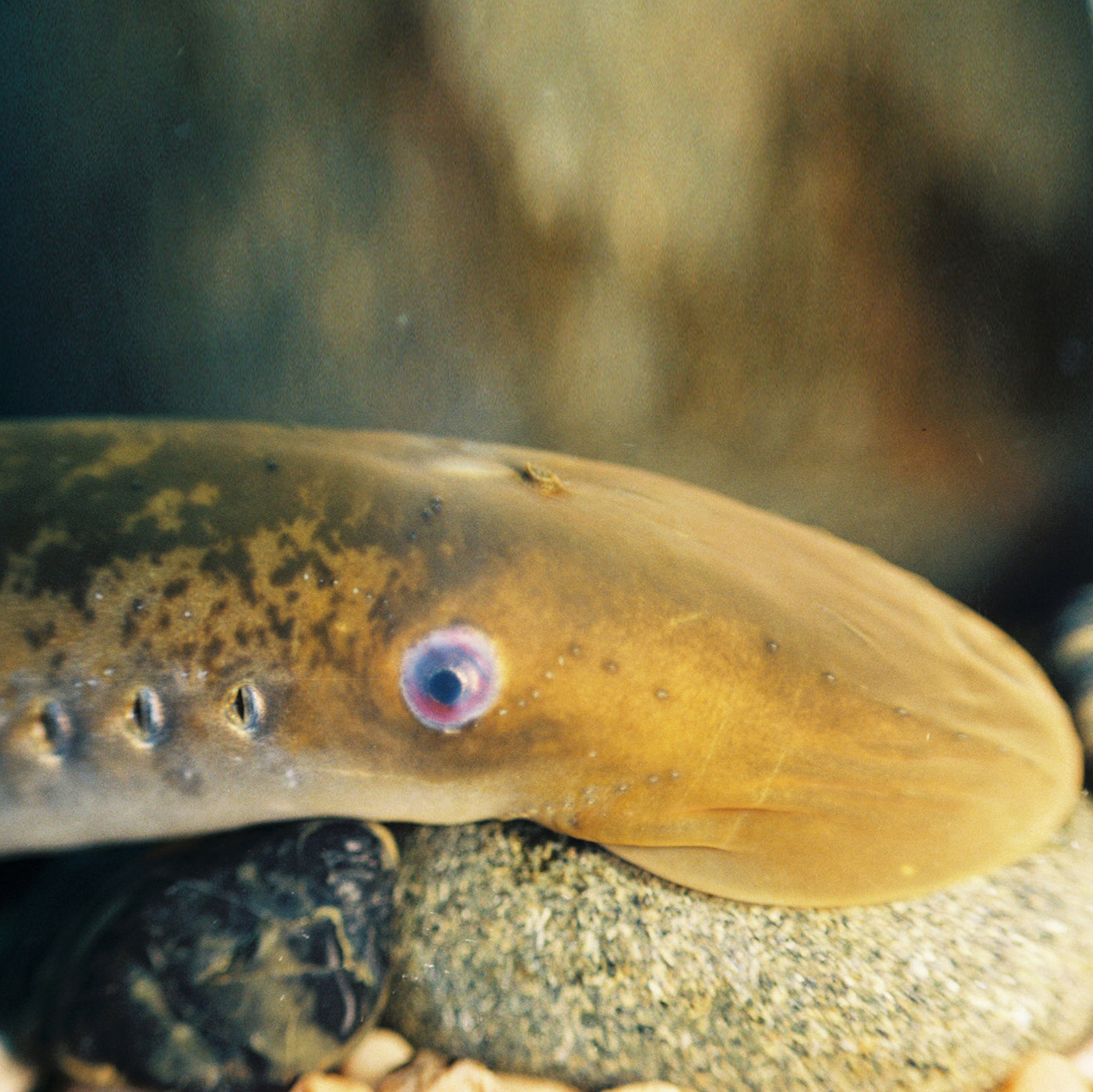
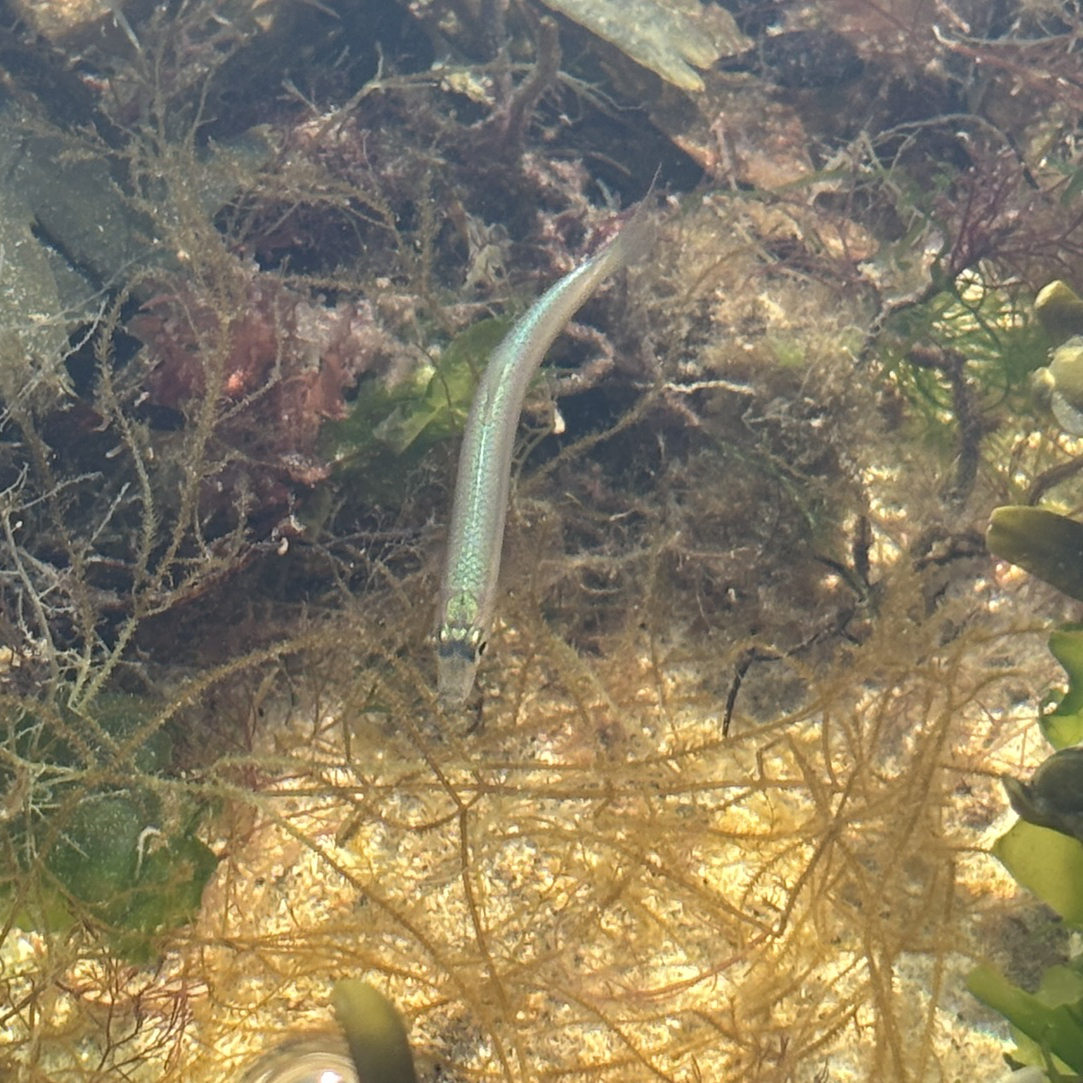
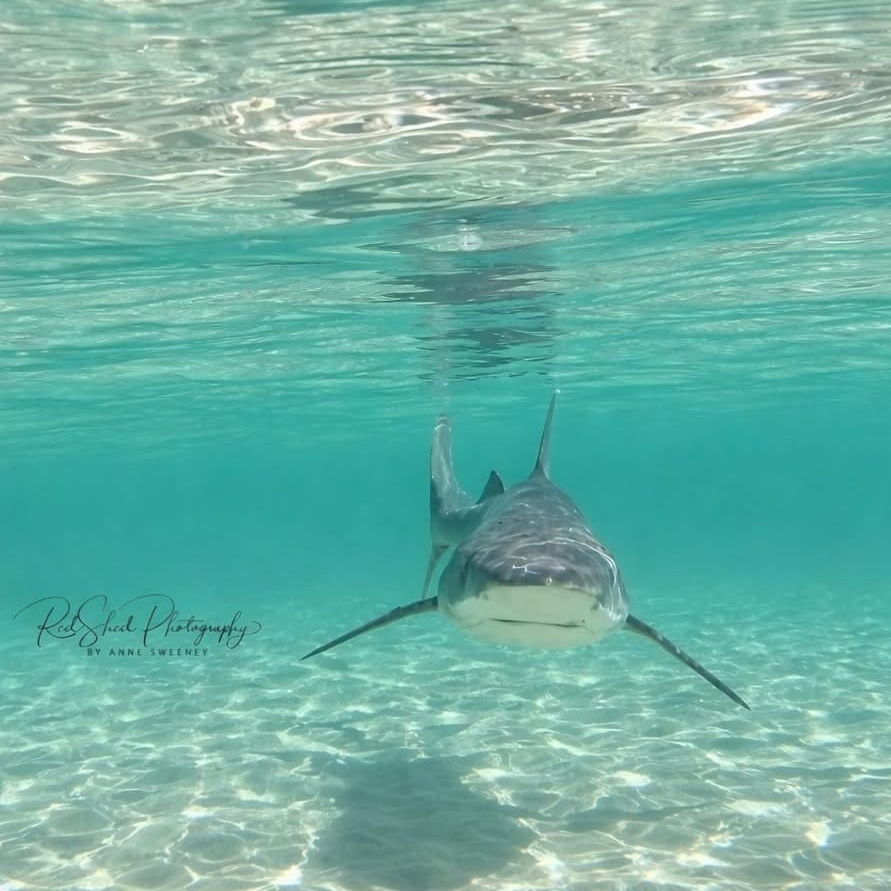
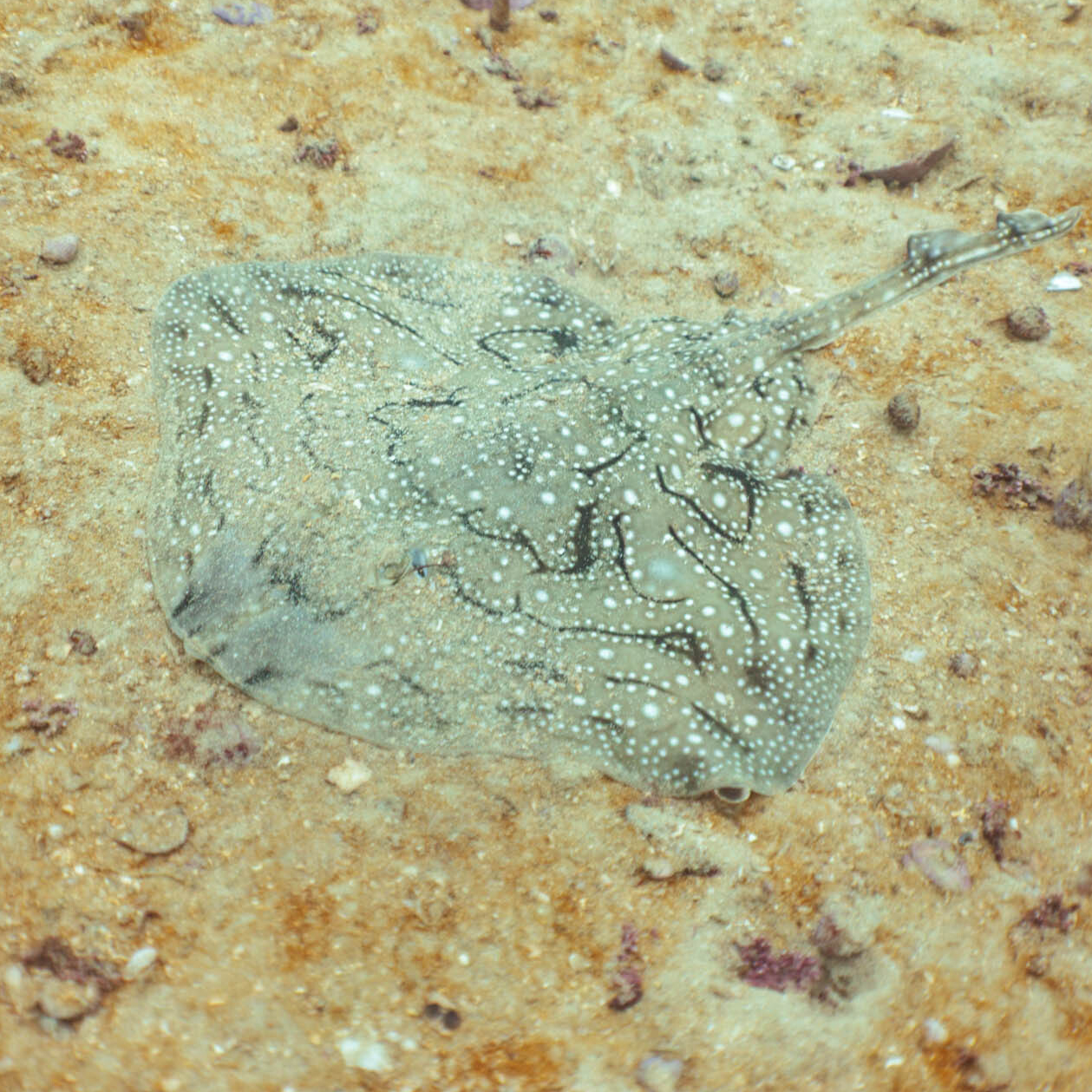
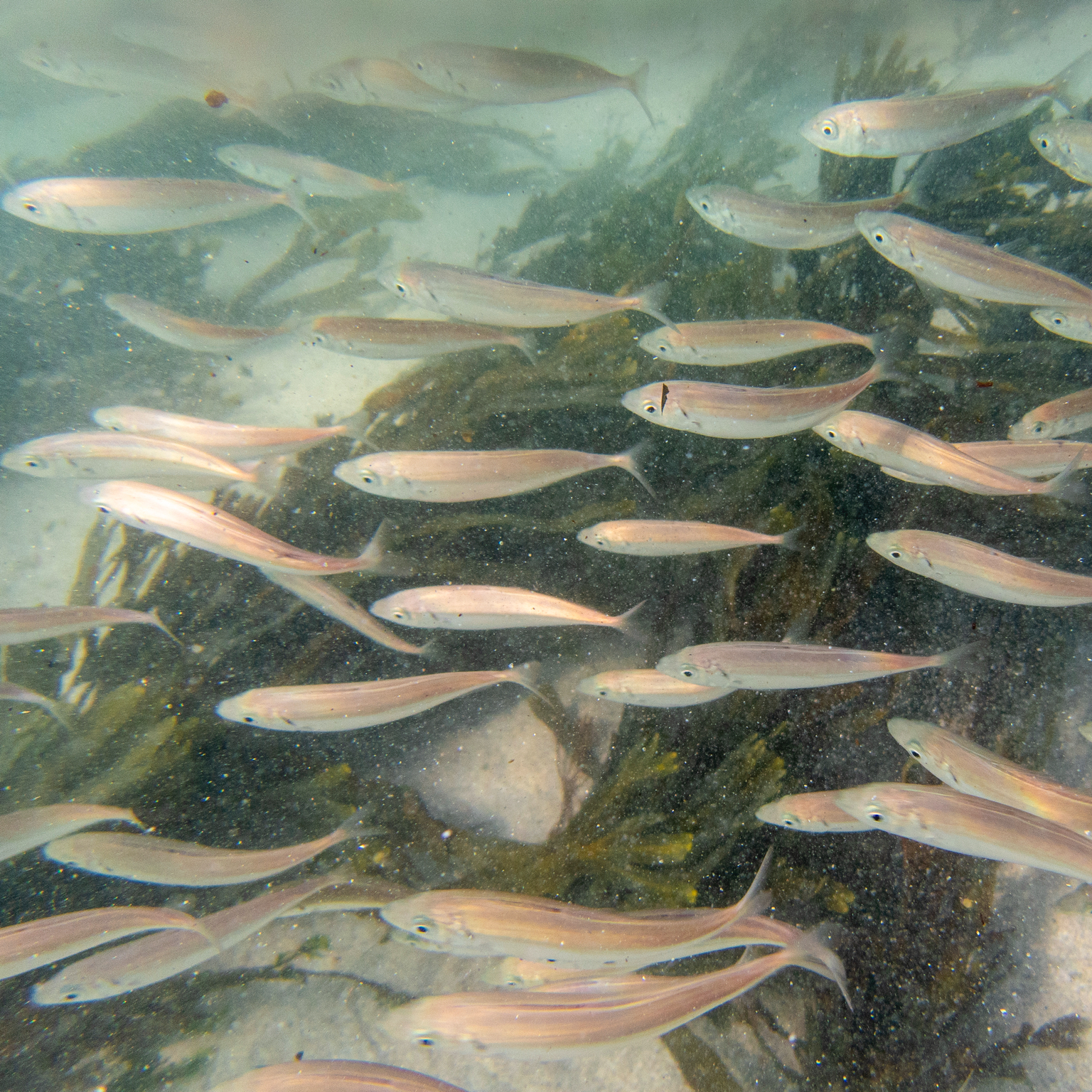
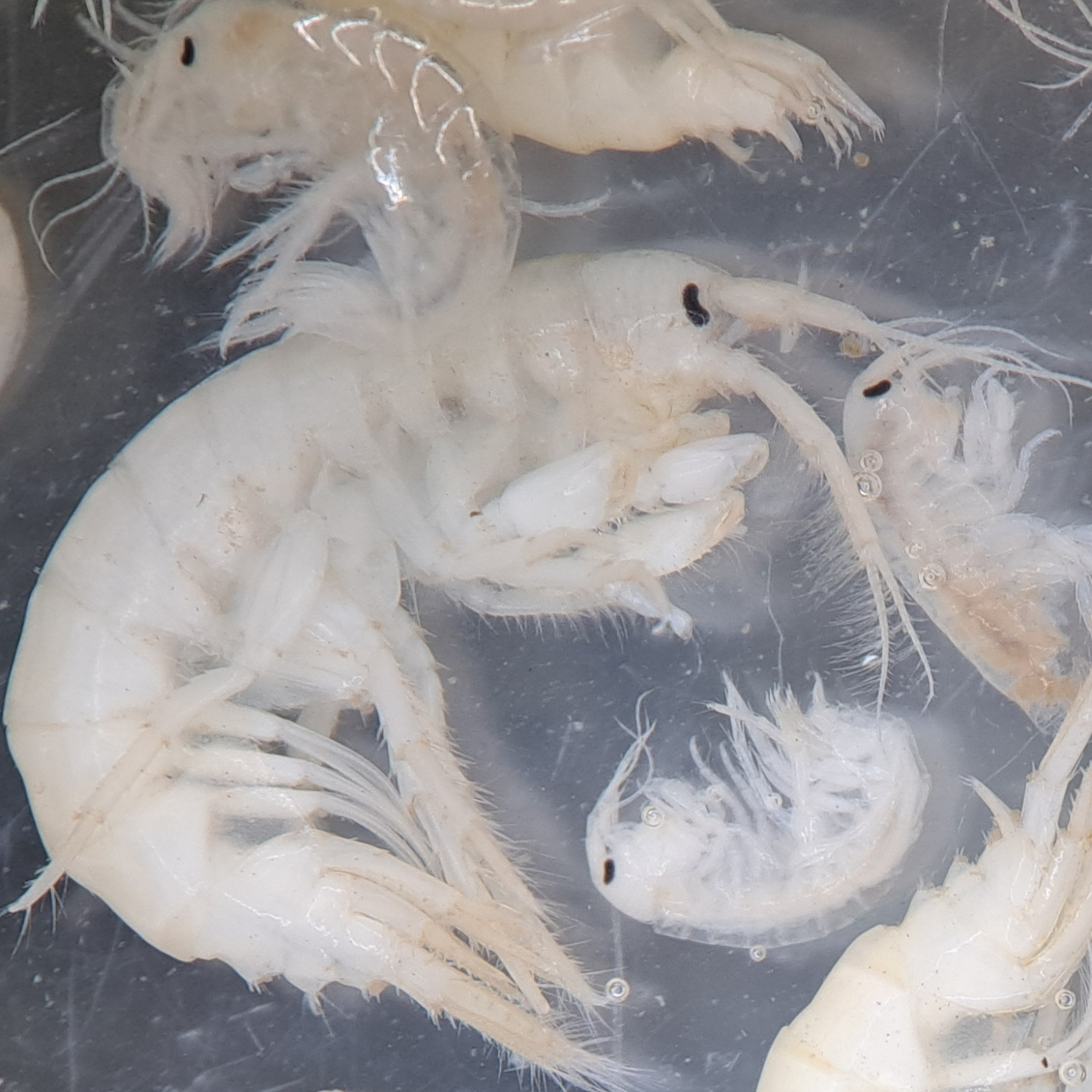
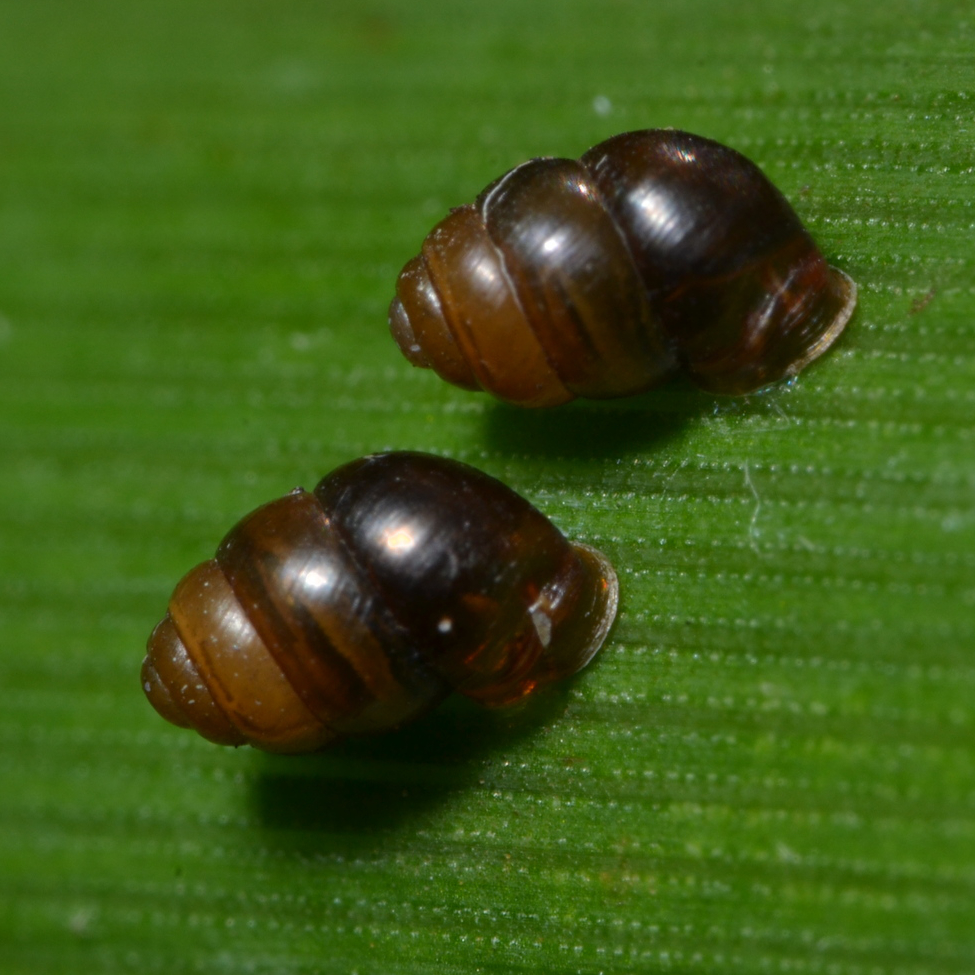
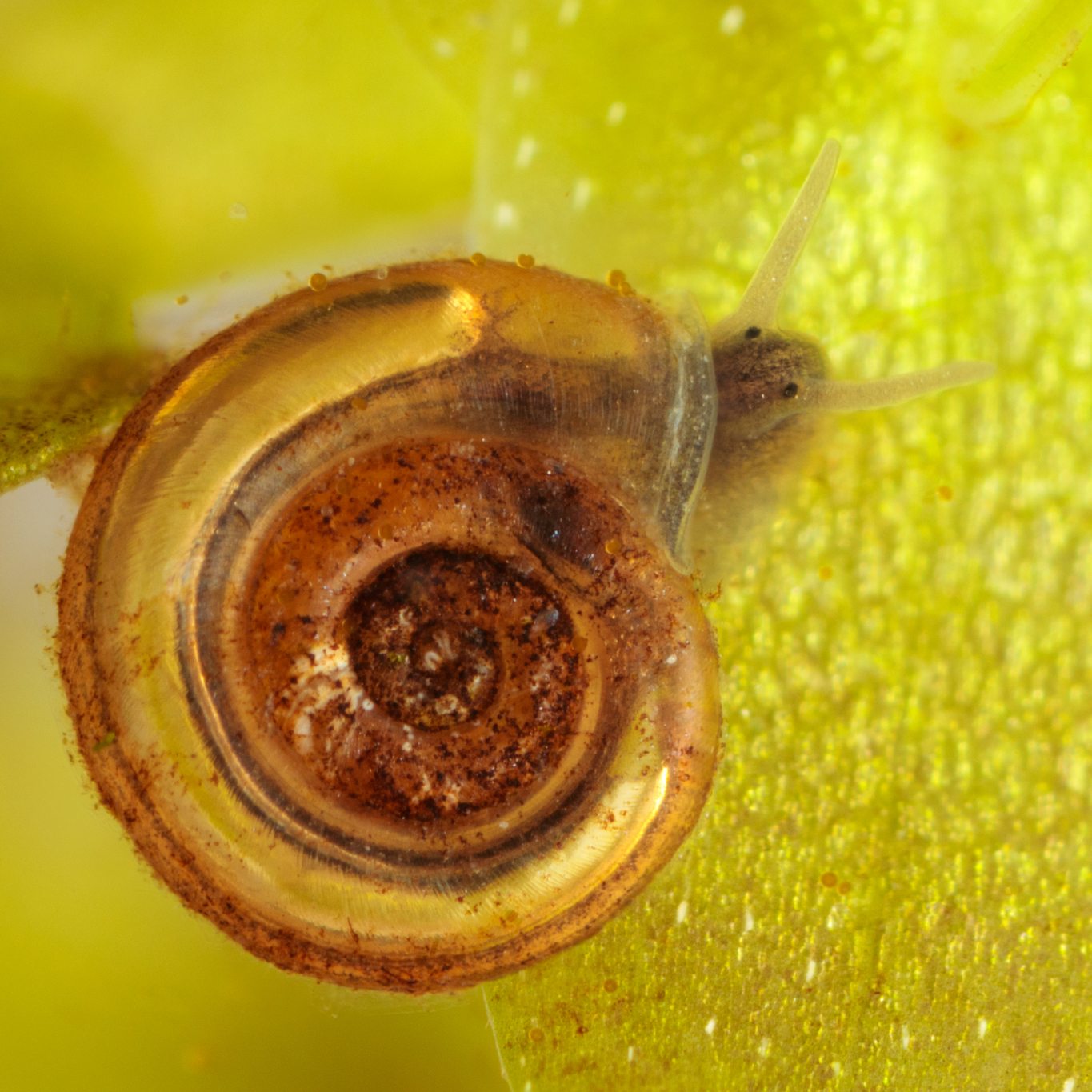
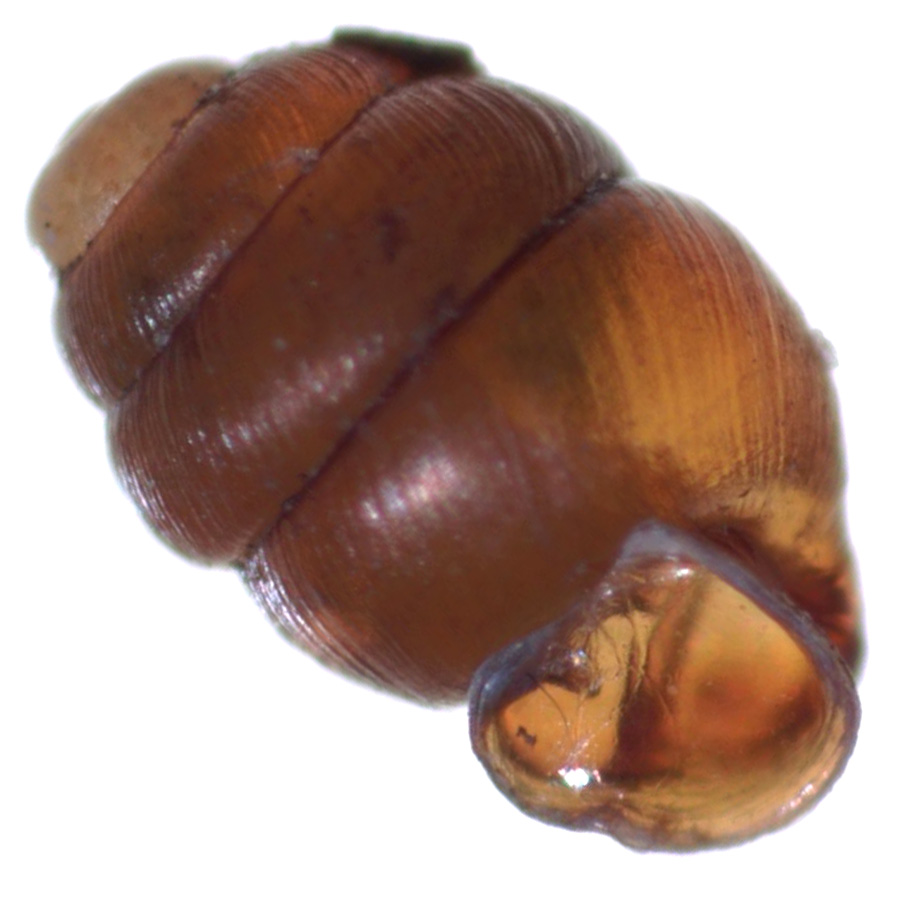
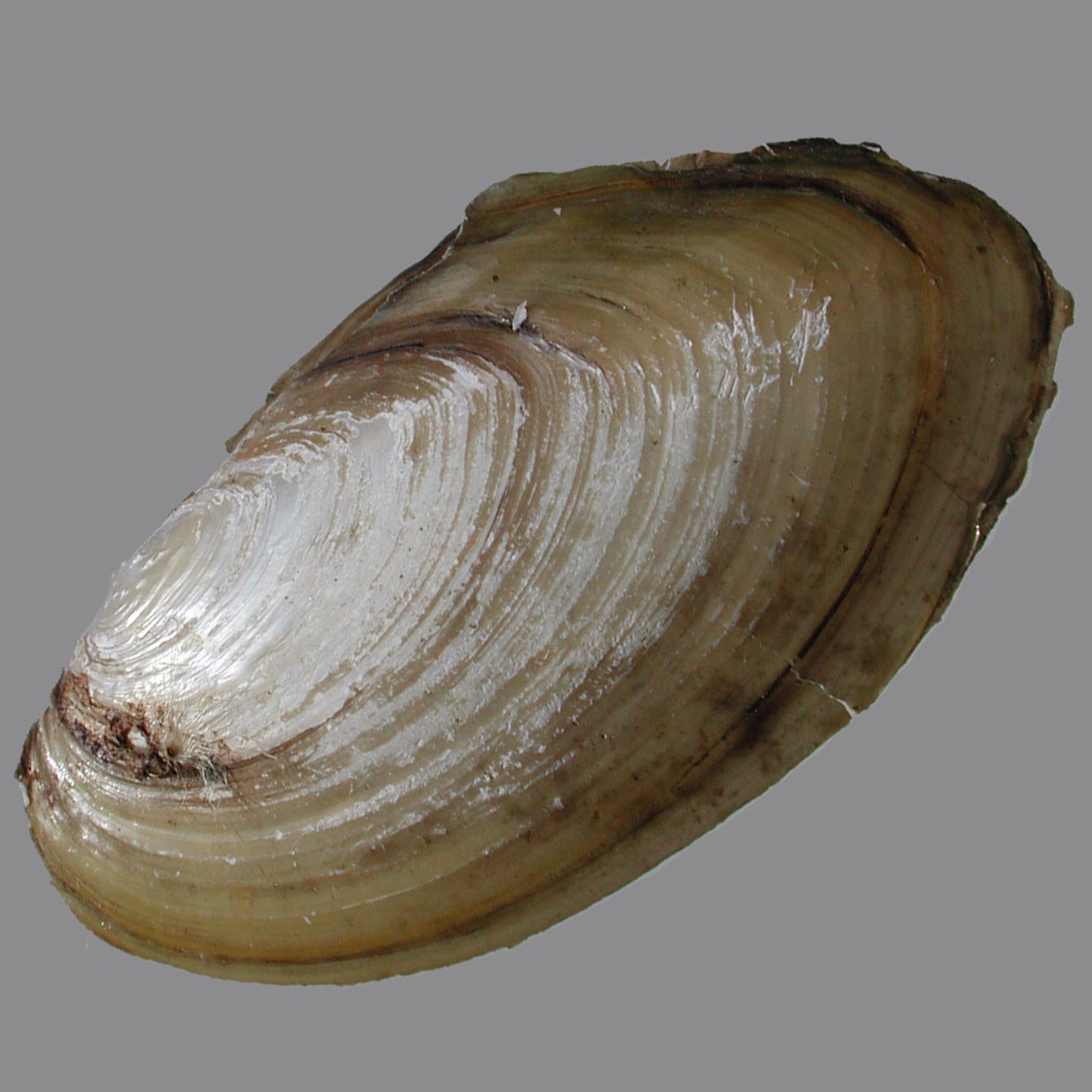
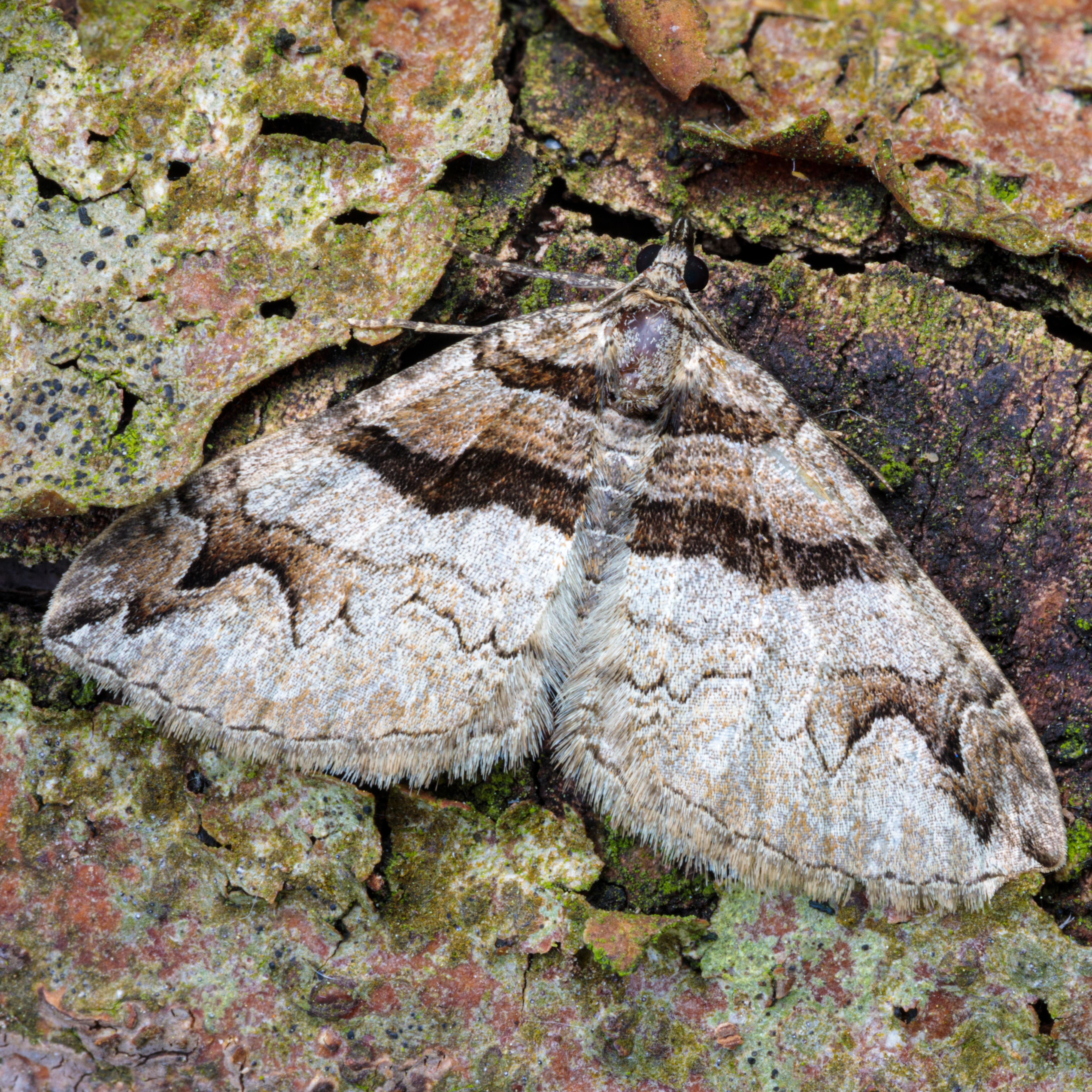
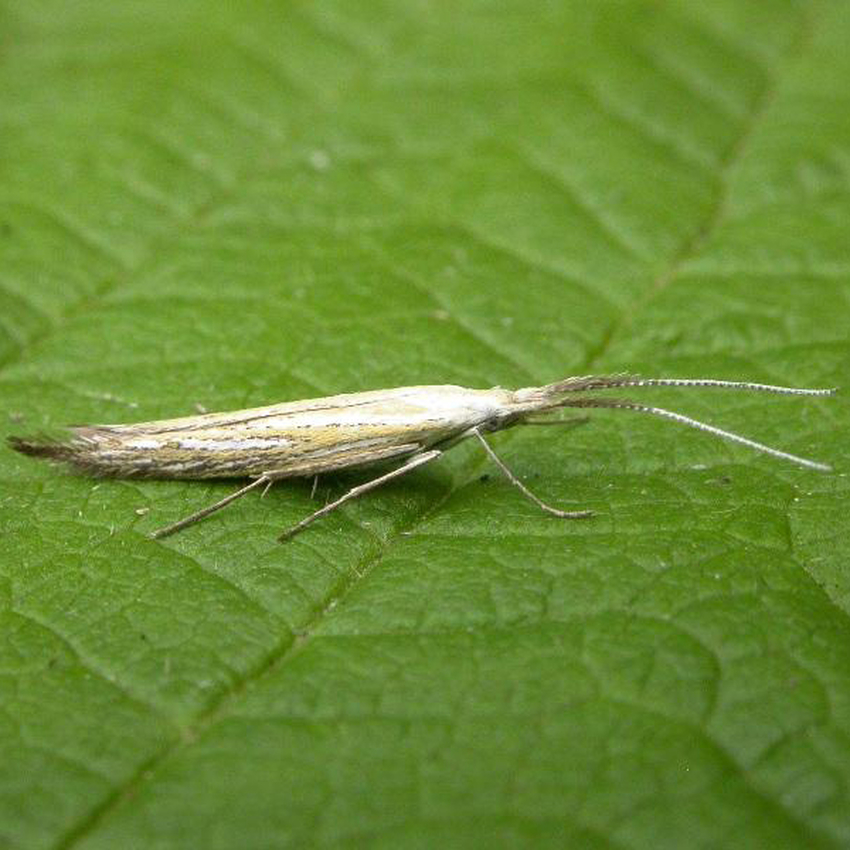
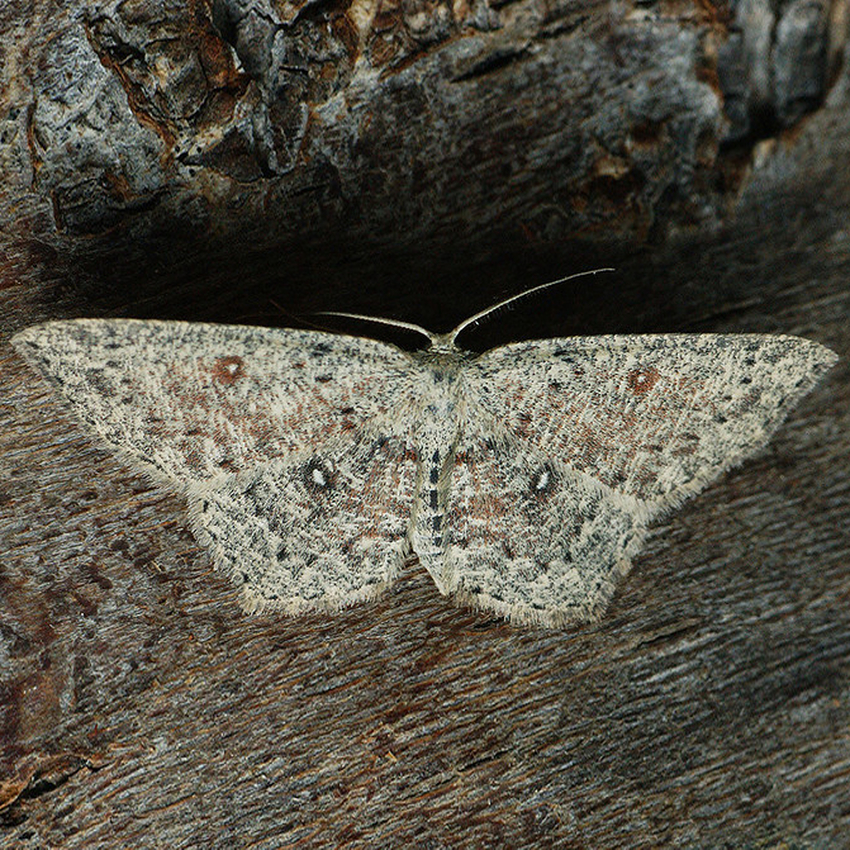
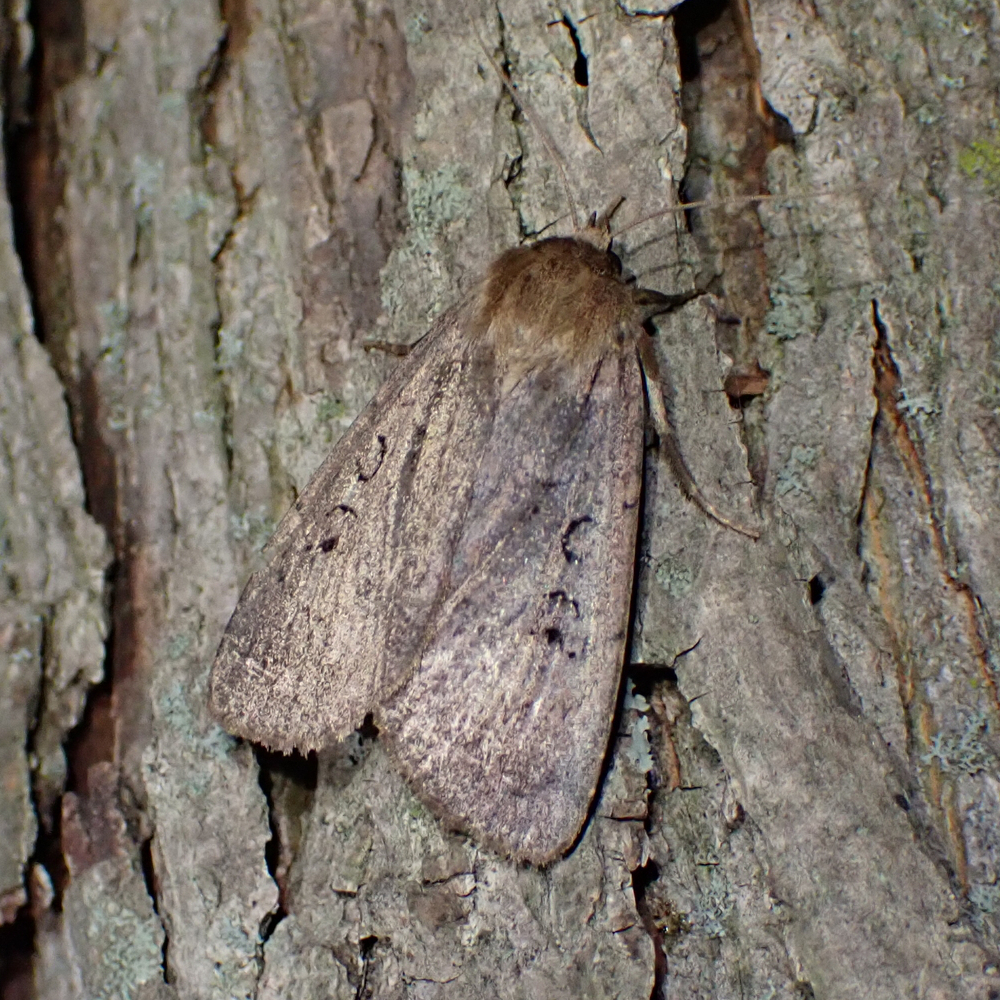
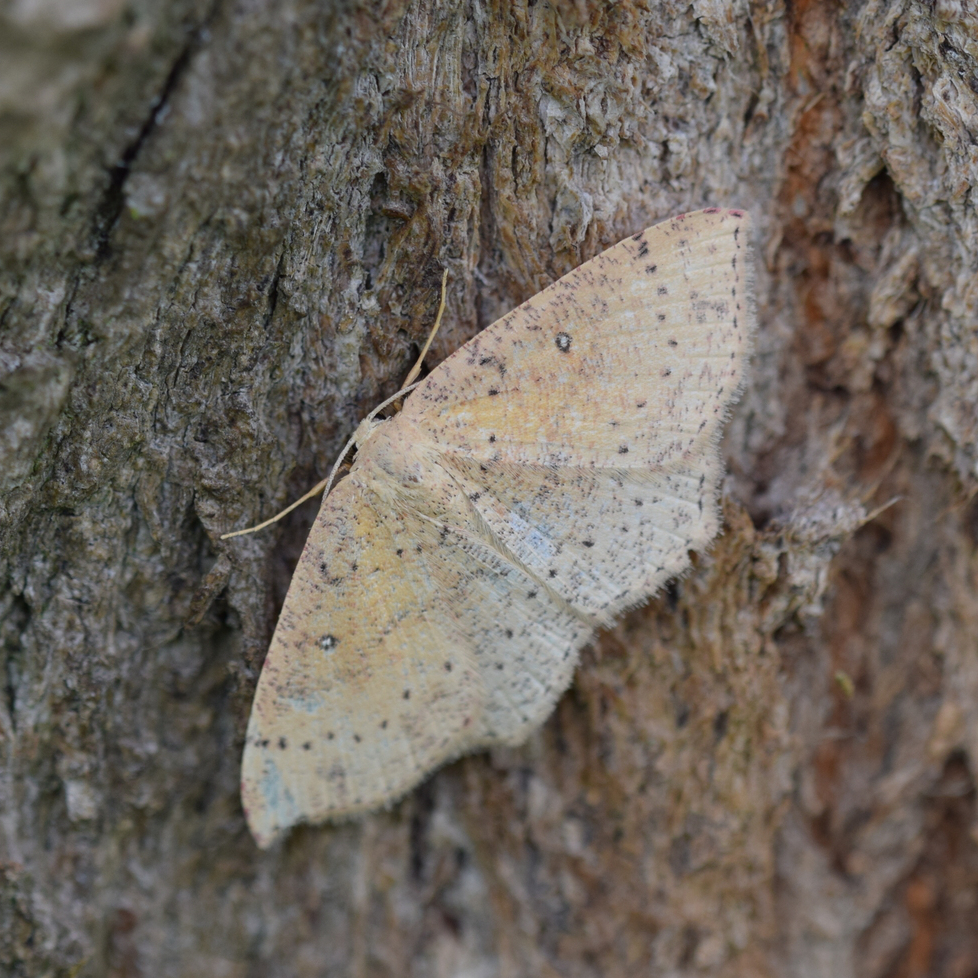
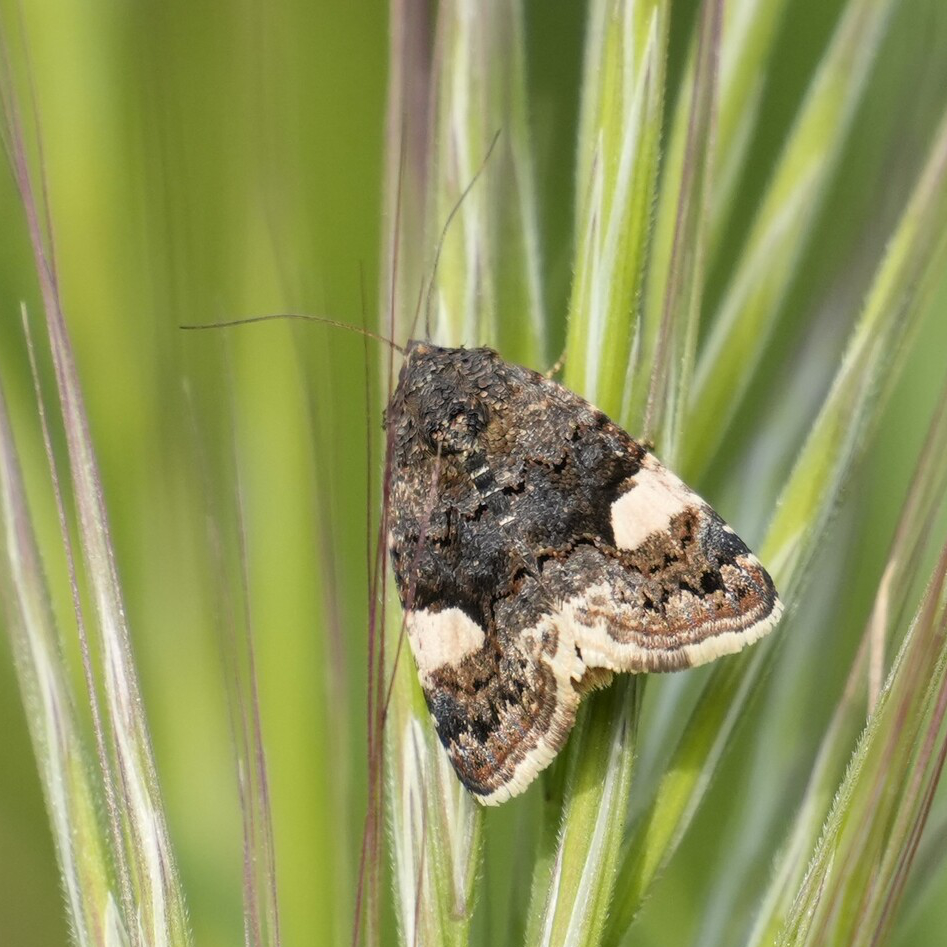
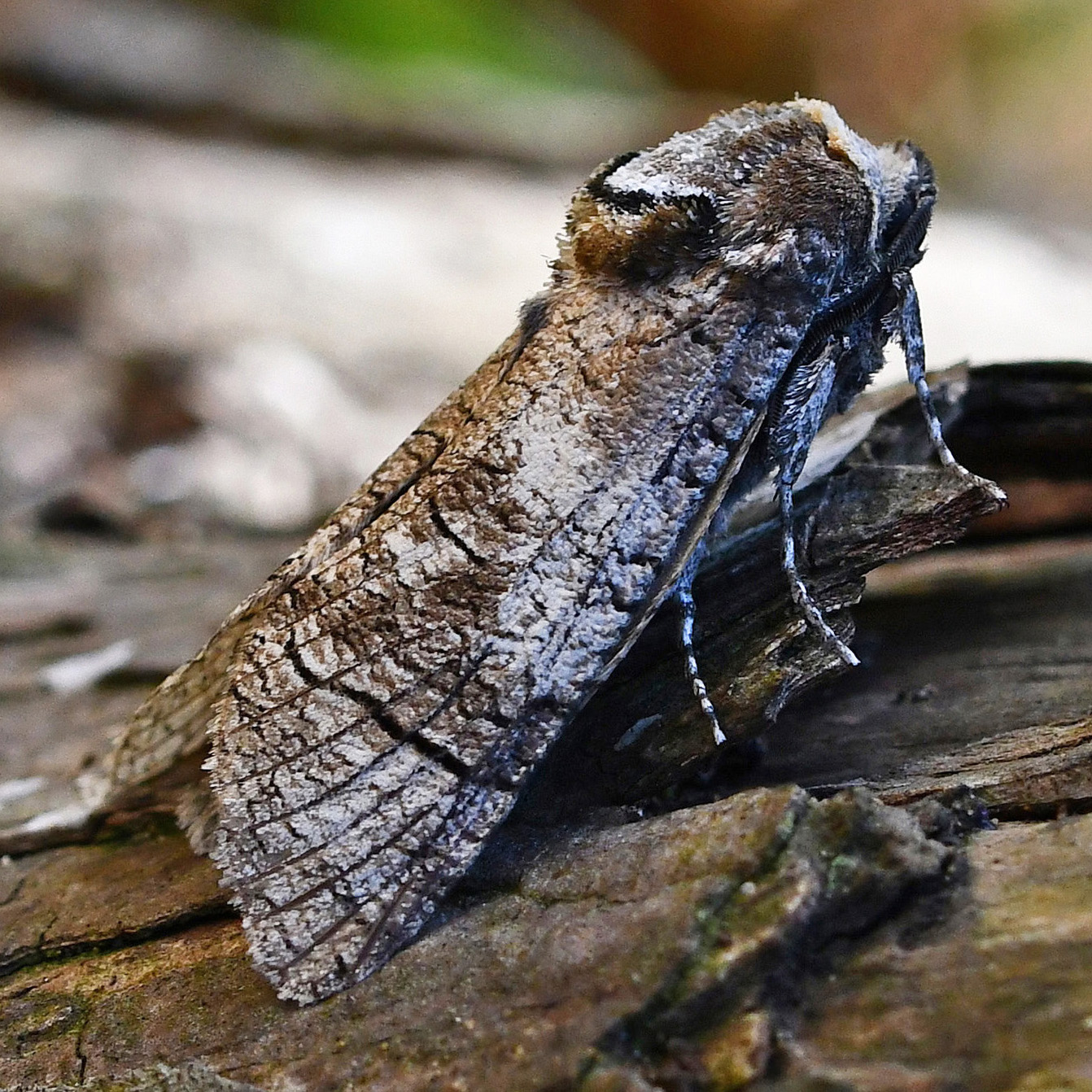
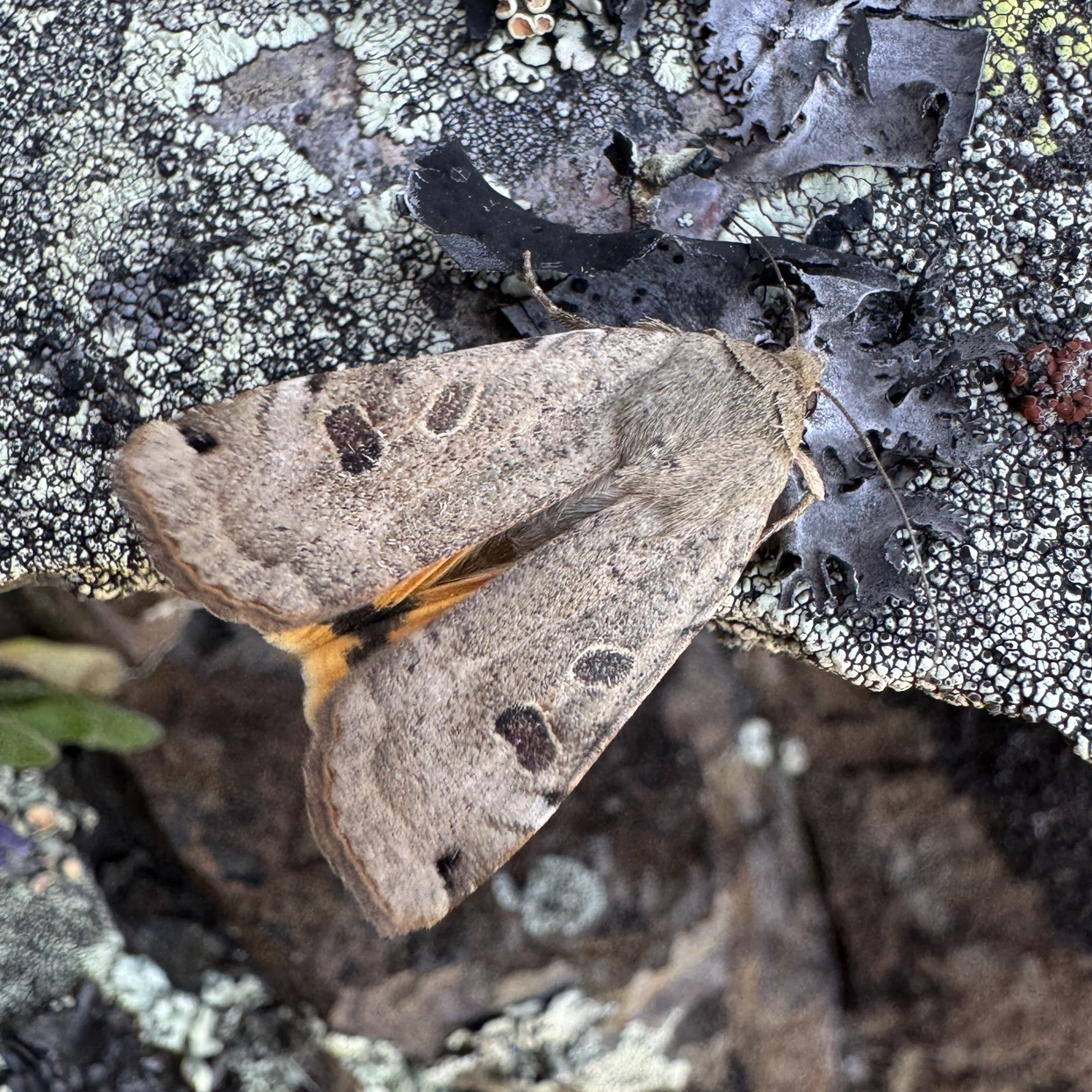
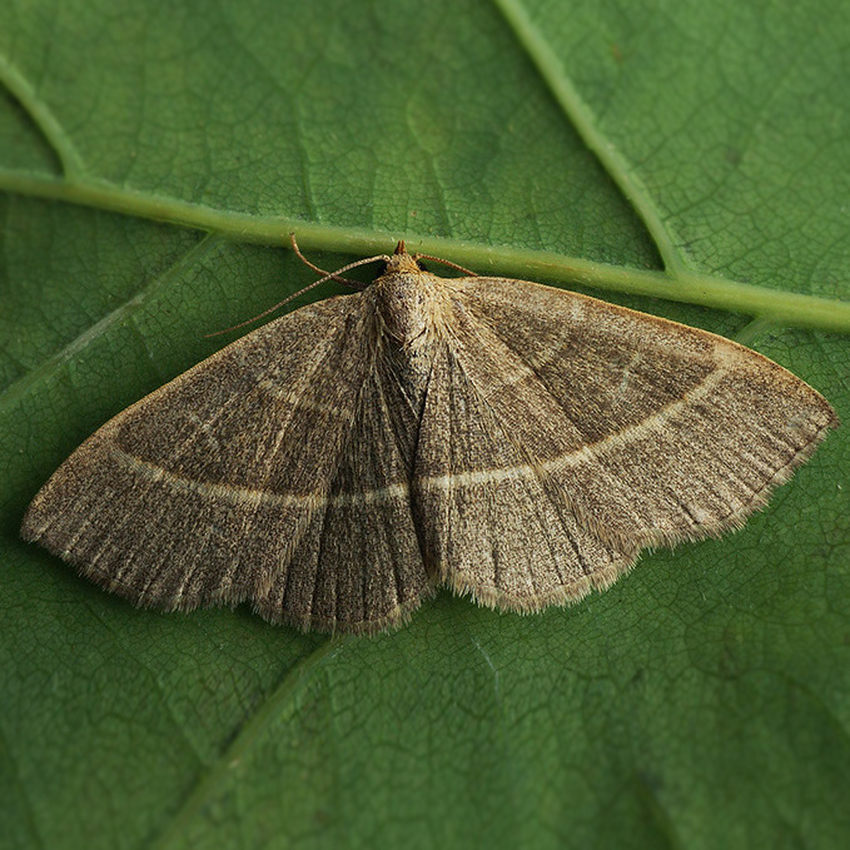
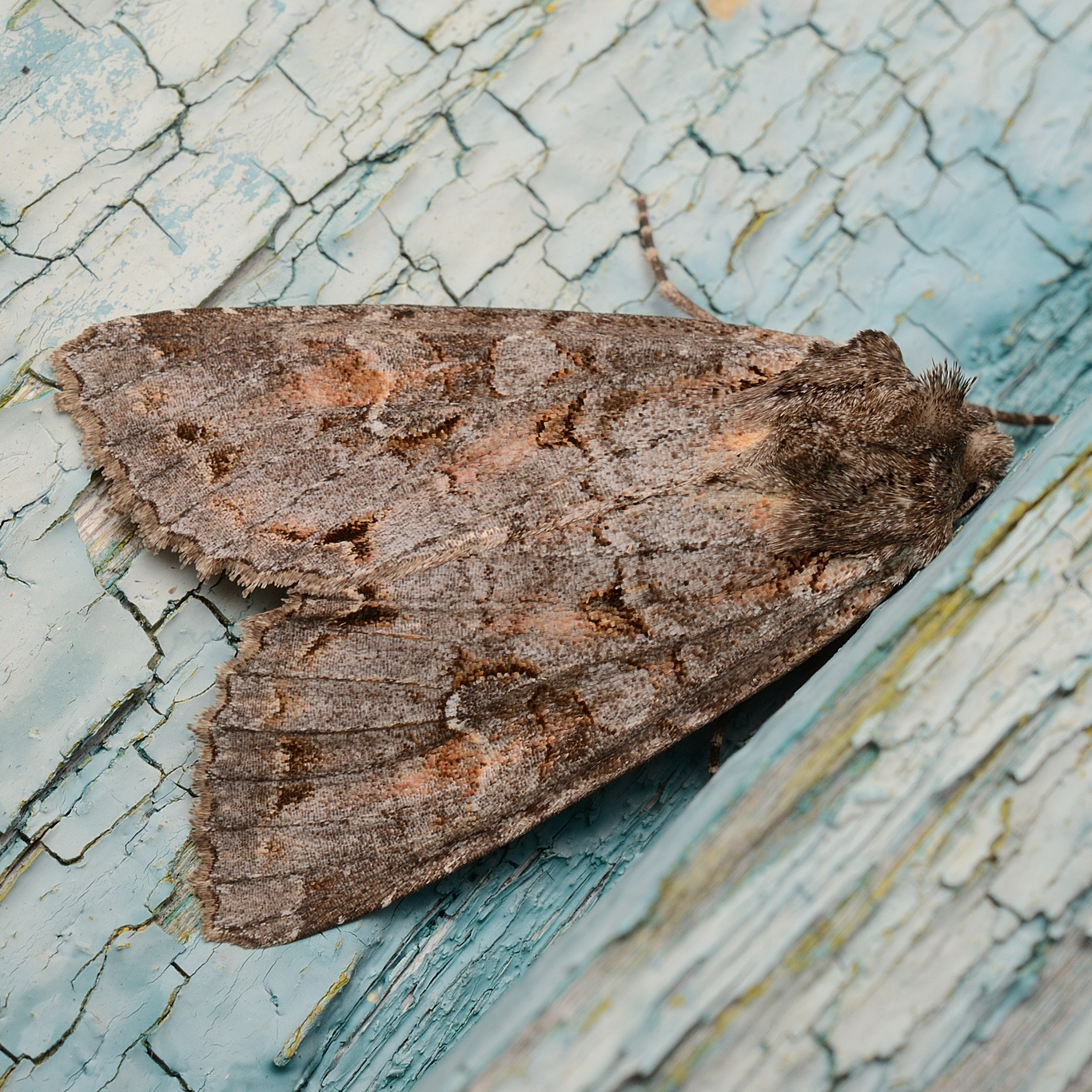
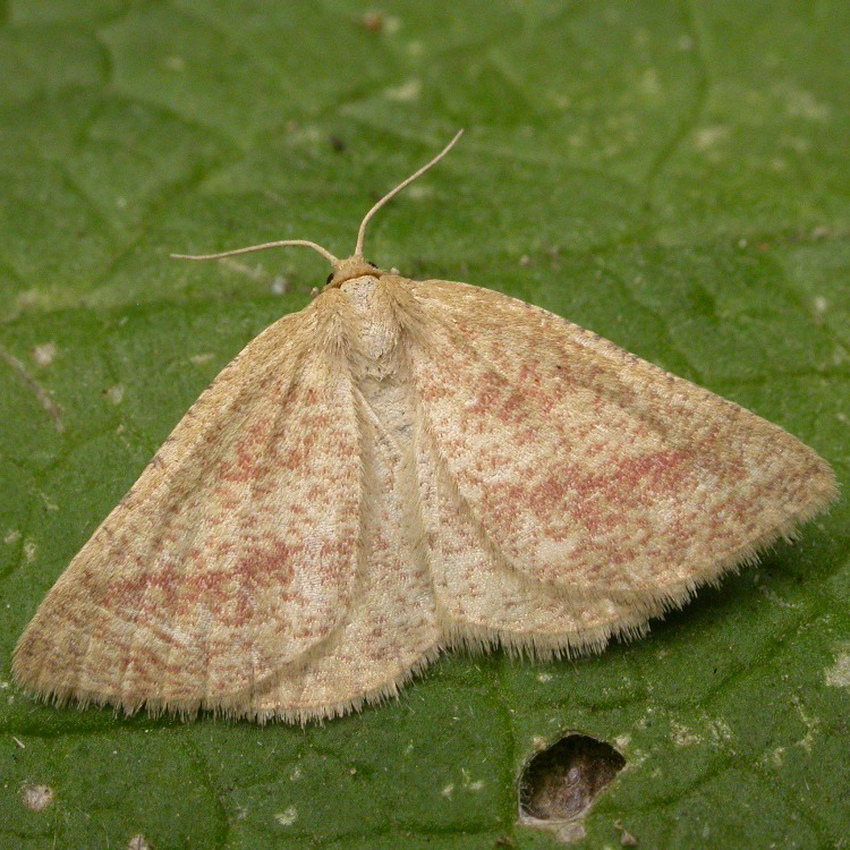
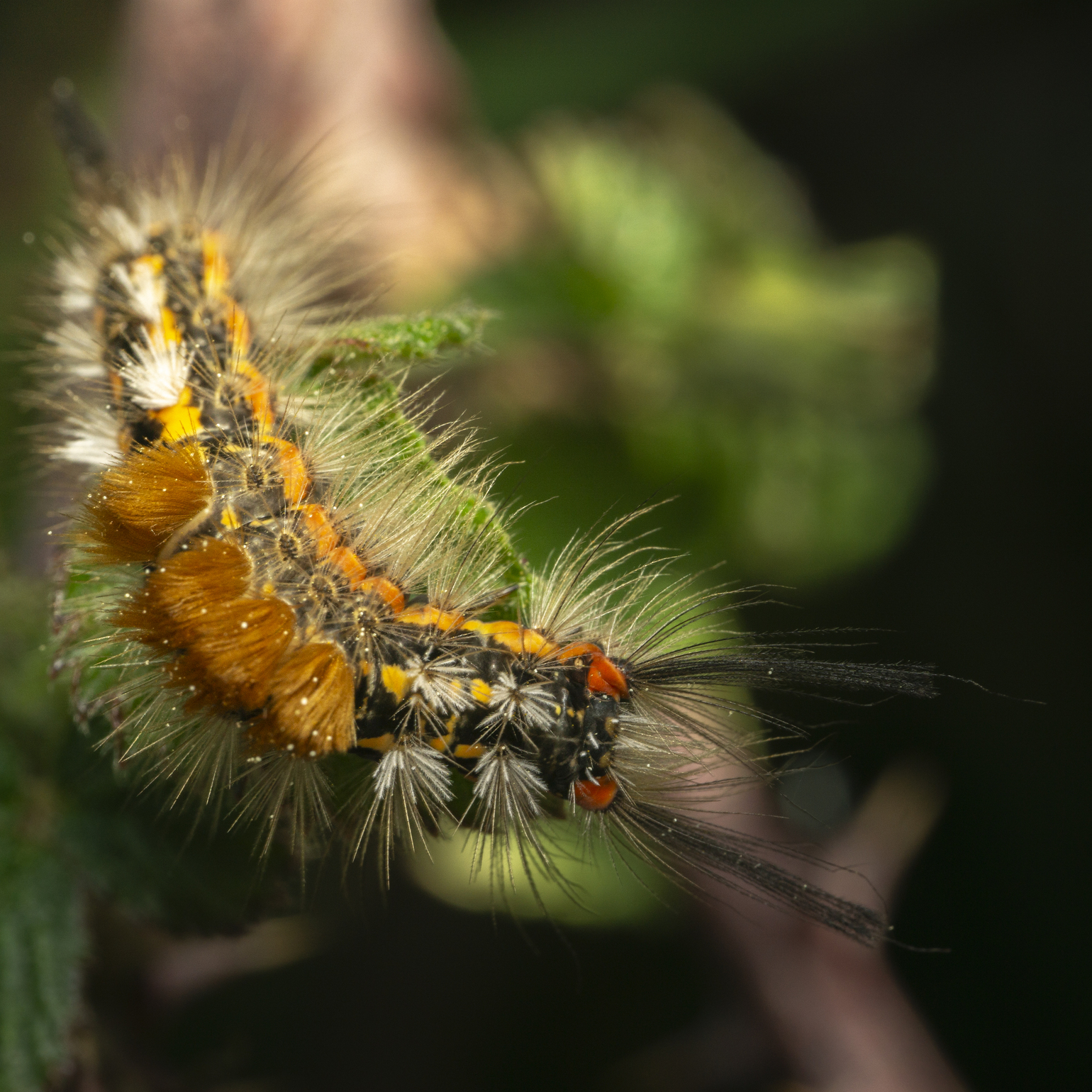
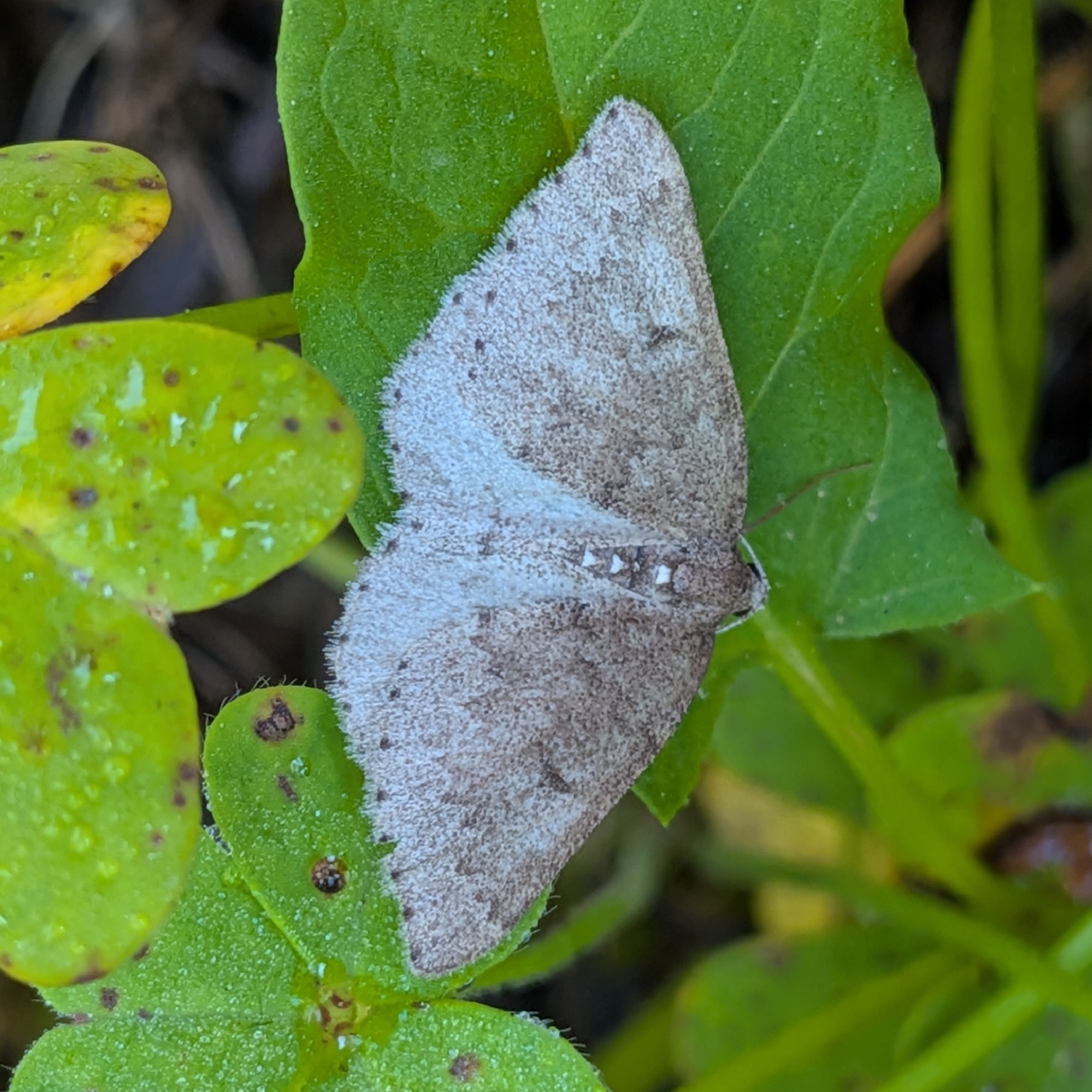
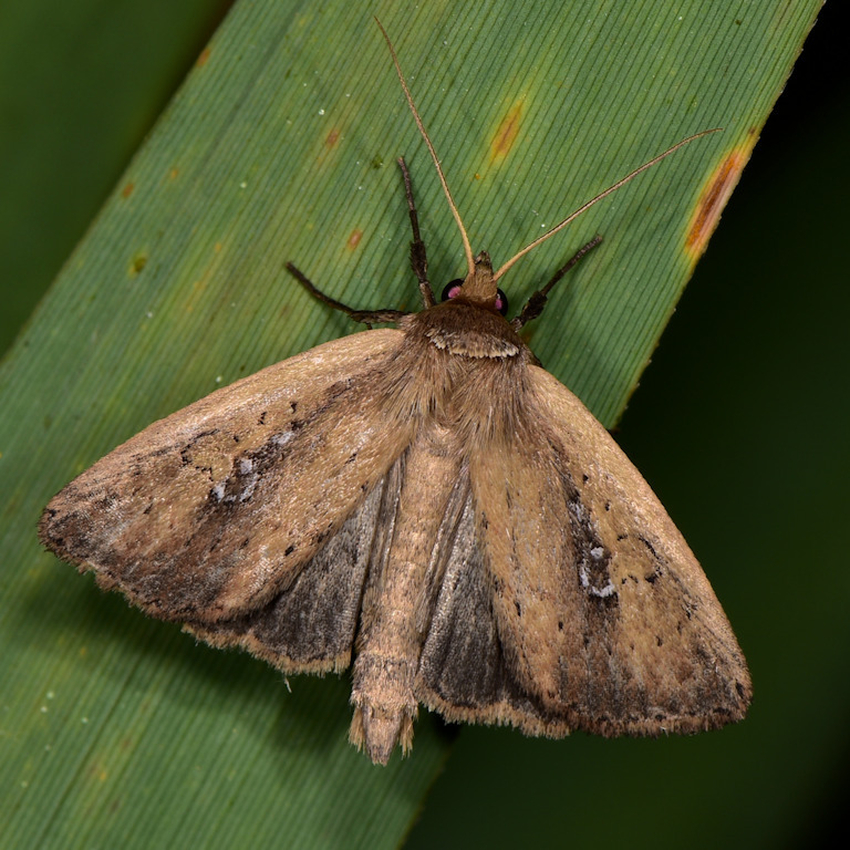
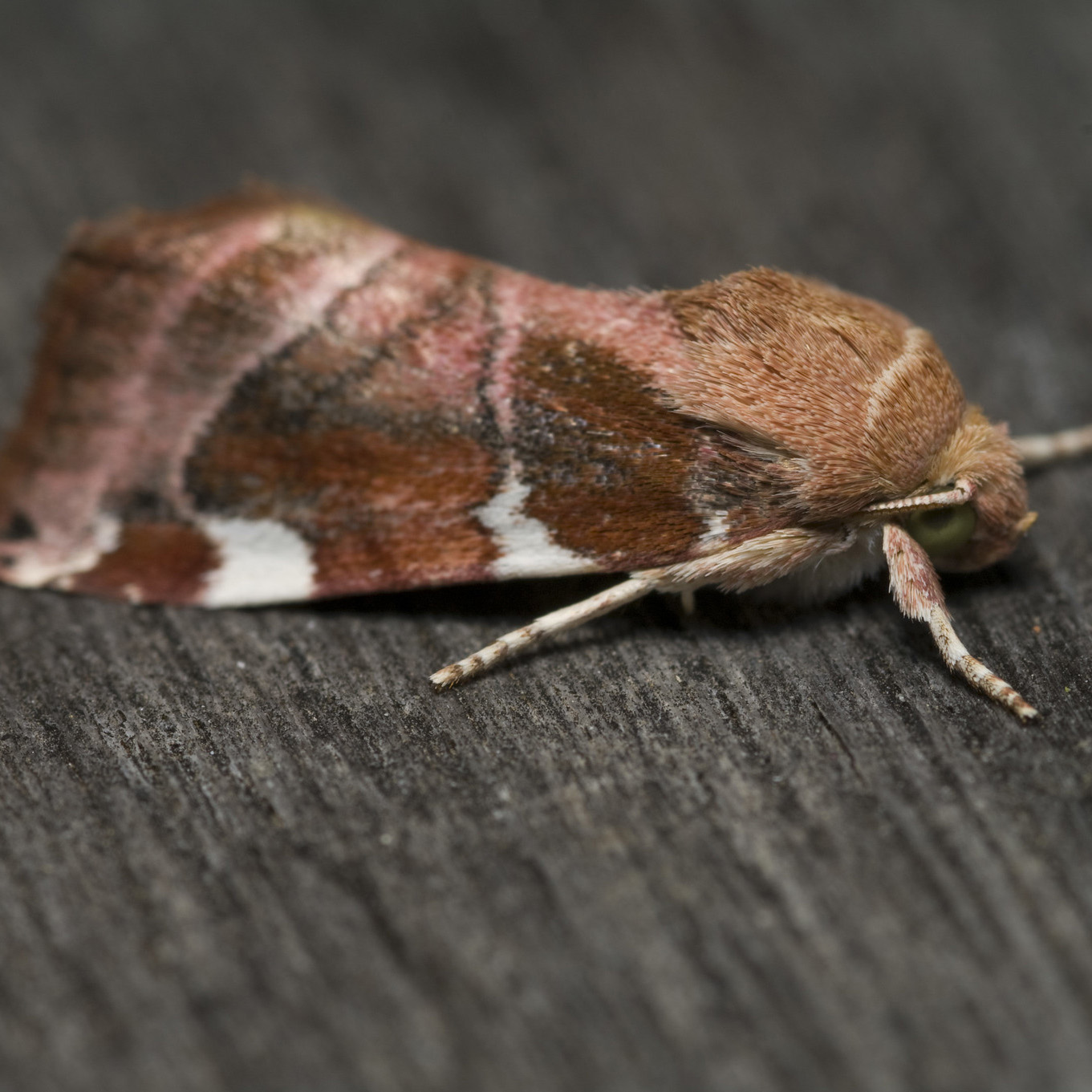
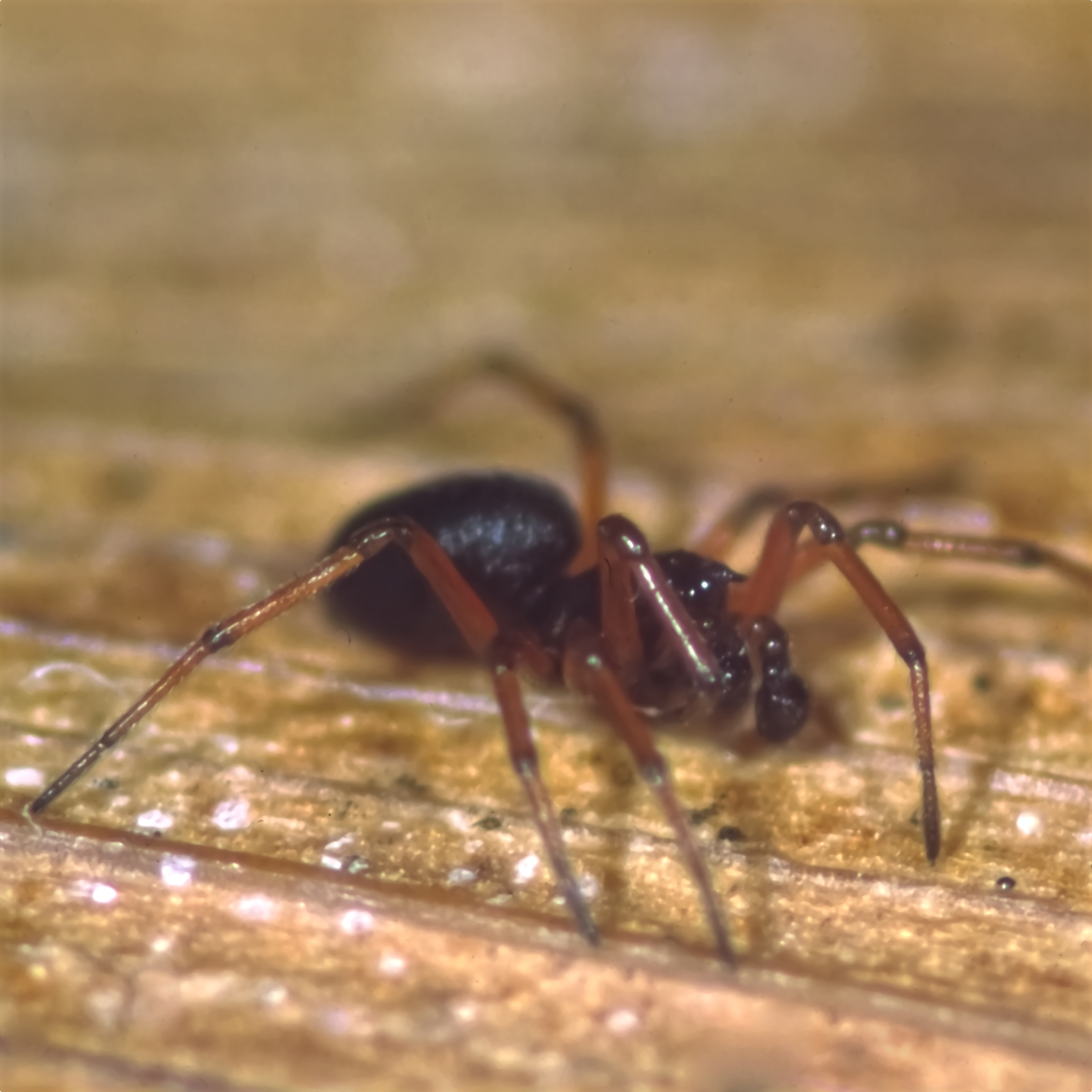
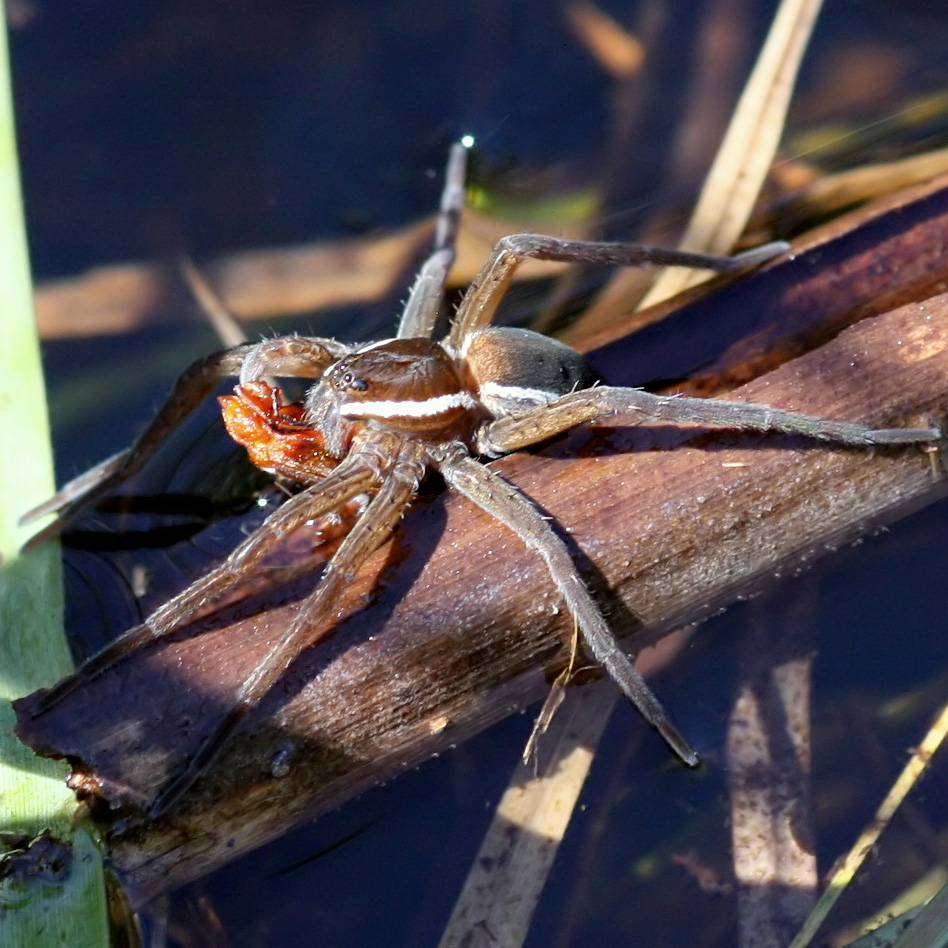
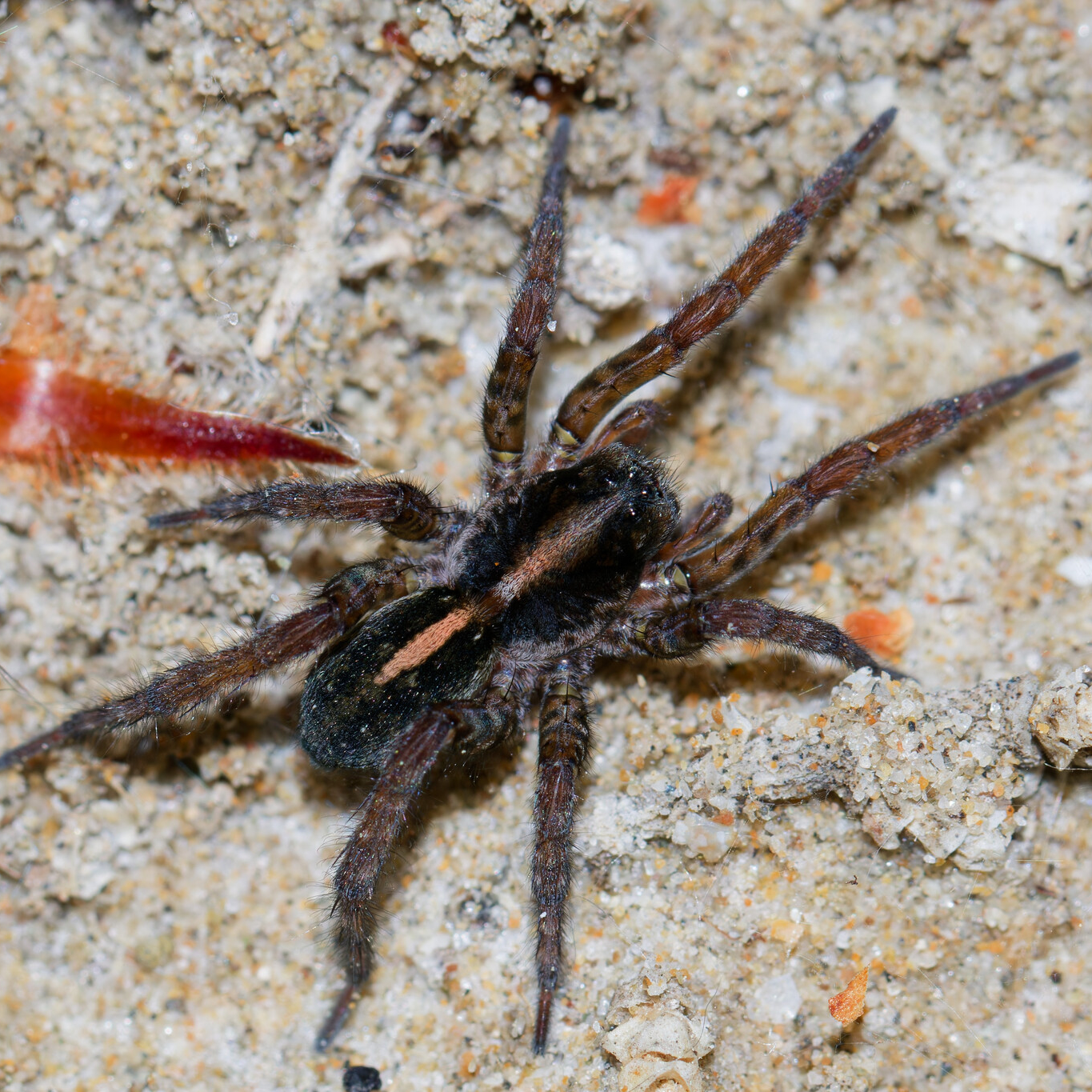
We have also collated a collection of useful Species Identification Guides. Use the menu to visit individual species group pages, or browse species using the images below. You can filter by species group and show or hide species by status by selecting the checkboxes below the coloured dots (see key).
Key
Listed as a conservation priority in Suffolk’s Biodiversity Action Plan.
Closely associated with Suffolk’s landscape and natural identity.
Identified as a key priority for recovery under Suffolk’s Local Nature Recovery Strategy.
Has a Species of the Month article attached.