
Urban, Built and Garden
Suffolk’s towns and cities are not peripheral to its biodiversity – for an increasing number of species, they are a primary habitat. The expansion of urban and suburban land use, the fragmentation of the wider countryside, and the growing ecological value of gardens, parks, green roofs, street trees and built structures mean that the urban fabric of Ipswich, Bury St Edmunds, Lowestoft and the county’s market towns and villages now plays a significant and measurable role in nature recovery. This is an assemblage defined not by a single ecological community but by the principle that wildlife does not recognise a boundary between town and country, and that the decisions made by householders, businesses, planners and local authorities in the built environment have real consequences for biodiversity at a county scale.
In Suffolk, the cumulative effect of garden pond creation, log pile provision, reduced pesticide use, native planting and the retention of mess and disorder – the habitats that well-managed gardens tend to eliminate – can be substantial. Street trees and the urban tree canopy reduce heat island effects, support invertebrate communities and provide connectivity between fragmented green spaces. Buildings themselves, particularly older stock, house swift, house martin, swallow, bat roost and house sparrow colonies that have retreated almost entirely from the wider countryside.
The hedgehog (Erinaceus europaeus) is the assemblage’s flagship. Once ubiquitous in both the urban and rural landscape, its population has declined by approximately 30% since 2000, with losses particularly severe in the wider countryside. Urban and suburban habitats have become increasingly important refugia, and the connectivity between gardens – facilitated by small gaps in boundary fencing – is now recognised as one of the most effective conservation interventions available at the individual household scale. As a species that most Suffolk residents have a personal relationship with, the hedgehog is an effective vehicle for engaging communities in the broader work of urban nature recovery.
Suffolk’s Urban, Built and Garden Habitats
Key
A conservation priority in Suffolk’s Historic Biodiversity Action Plan.
A key habitat for recovery under Suffolk’s Local Nature Recovery Strategy.




Associated habitats
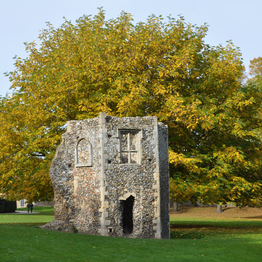
Built structures for wildlife: Bridges, tunnels, older buildings and other built structures can provide important substitute habitat for species historically associated with cliffs, caves or hollow trees. House sparrows, swifts, swallows, pipistrelle bats and kestrels are among the species that make extensive use of gaps, cavities and ledges in older buildings in particular. As modern construction practices reduce the availability of such features, the deliberate inclusion of swift bricks, bat boxes and nesting ledges in new and refurbished buildings is increasingly important.
Churches, churchyards and cemeteries: The grasslands of churchyards and cemeteries have, in many cases, escaped the agricultural improvement that transformed surrounding land, preserving populations of wildflowers long lost elsewhere. Ancient churchyards, in particular, can hold rare species, including various orchids, cowslips, and an abundance of lichens growing on old stone, while the buildings themselves provide roosting sites for bats and nesting opportunities for swifts and swallows. With sympathetic management, these sites can serve as important refuges for wildlife in both urban and rural landscapes.
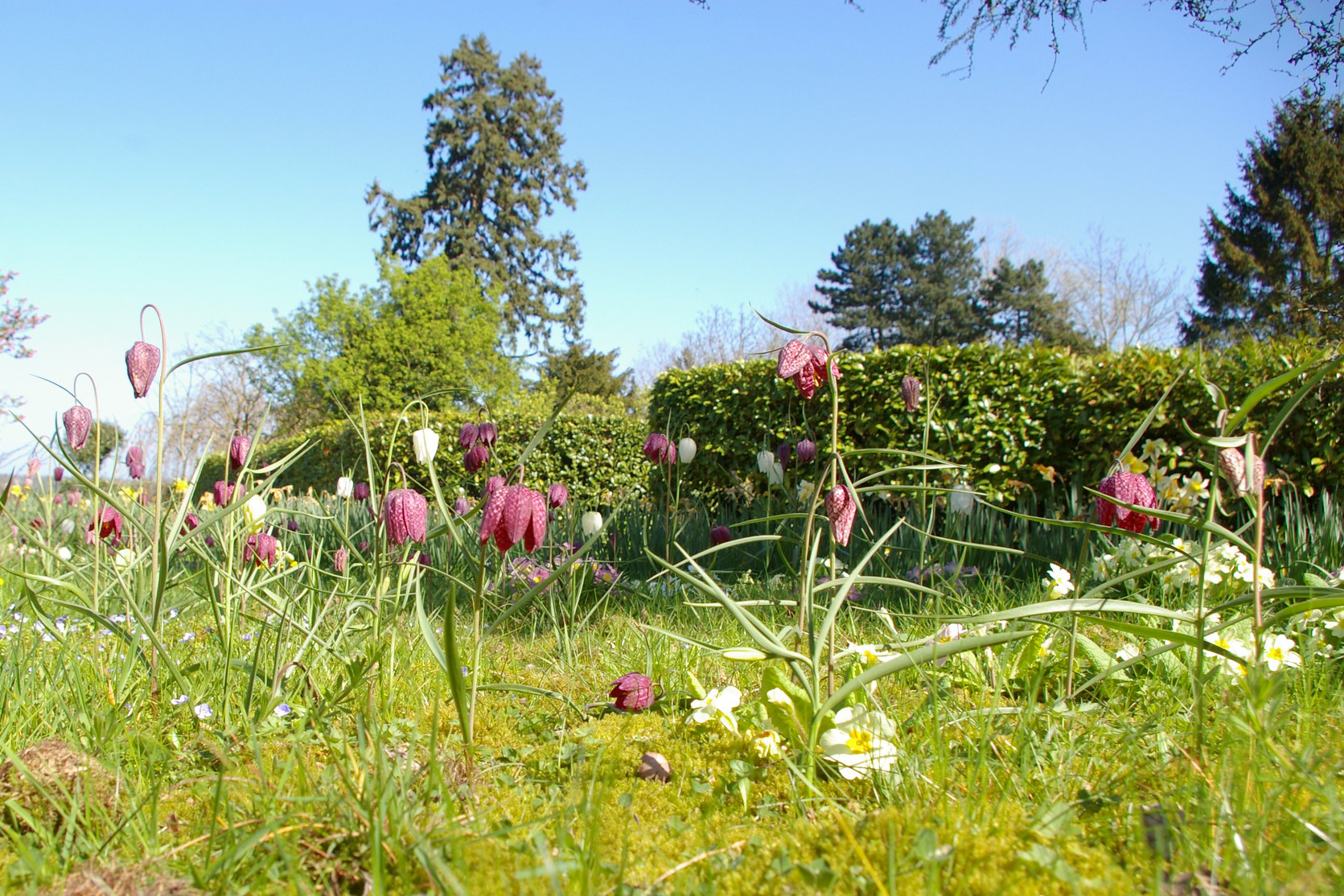
Gardens and allotments: Private gardens and allotments collectively represent an extensive and ecologically significant network of semi-natural habitat within the urban and suburban landscape. The diversity of plants grown, the availability of water features, compost heaps, log piles and unmown areas, and the relative absence of pesticides in wildlife-friendly gardens all contribute to their value for birds, bats, hedgehogs, amphibians and invertebrates. In aggregate, they can exceed the area of many statutory nature reserves.
Urban greenspaces and parks: Public parks, recreation grounds, amenity greenspace and informal open land within towns and cities provide accessible nature in the everyday environment, as well as genuine habitat value for wildlife where management allows. Reducing mowing frequency, introducing wildflower areas, retaining dead wood, and installing ponds can dramatically increase biodiversity in even heavily used greenspaces. These sites also play an important role in connecting people with nature, making them significant not only ecologically but also as spaces that foster awareness and support for wildlife more broadly.
Image: Snake’s Head Fritillaries in a garden © Kevin Clark