
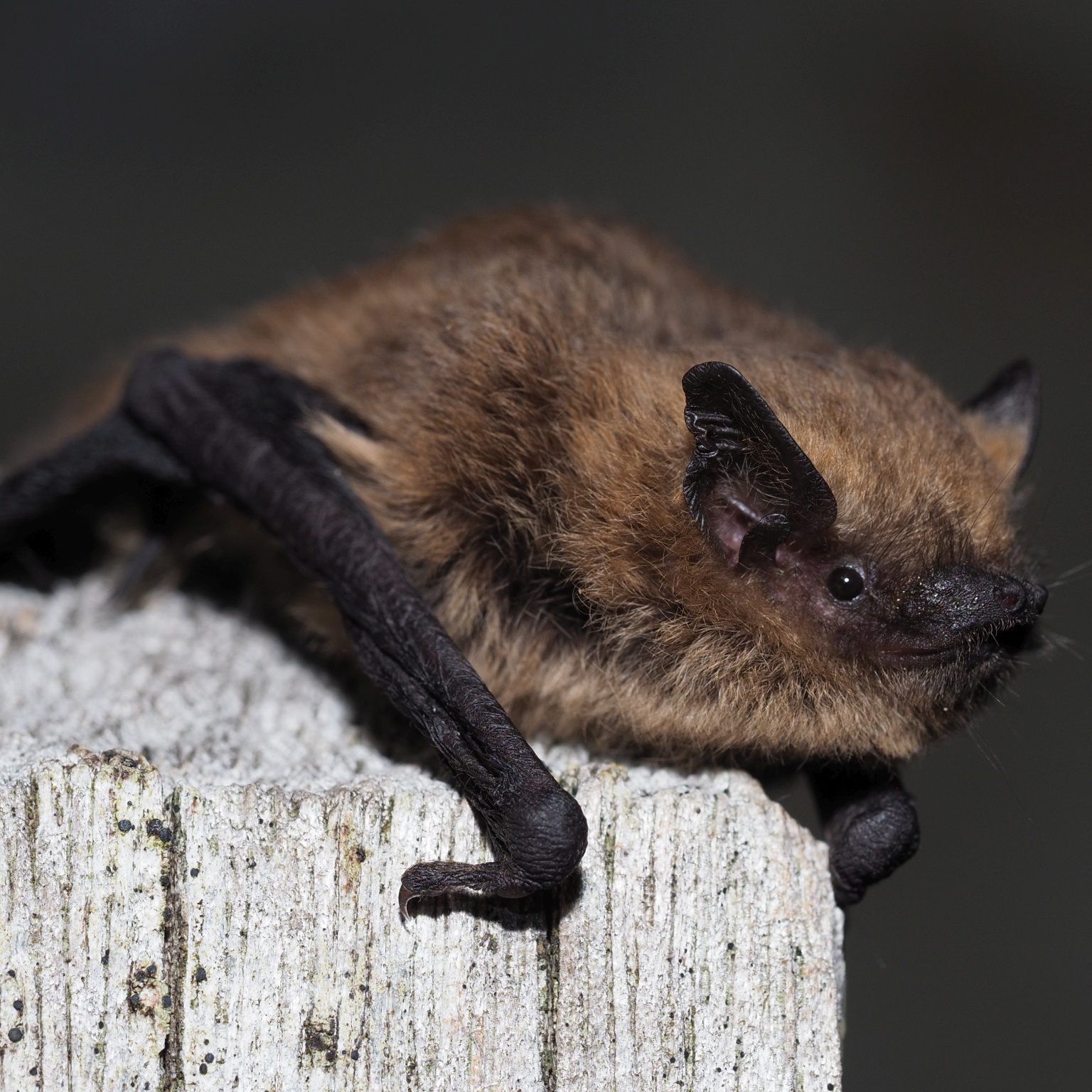
Common Pipistrelle Pipistrellus pipistrellus
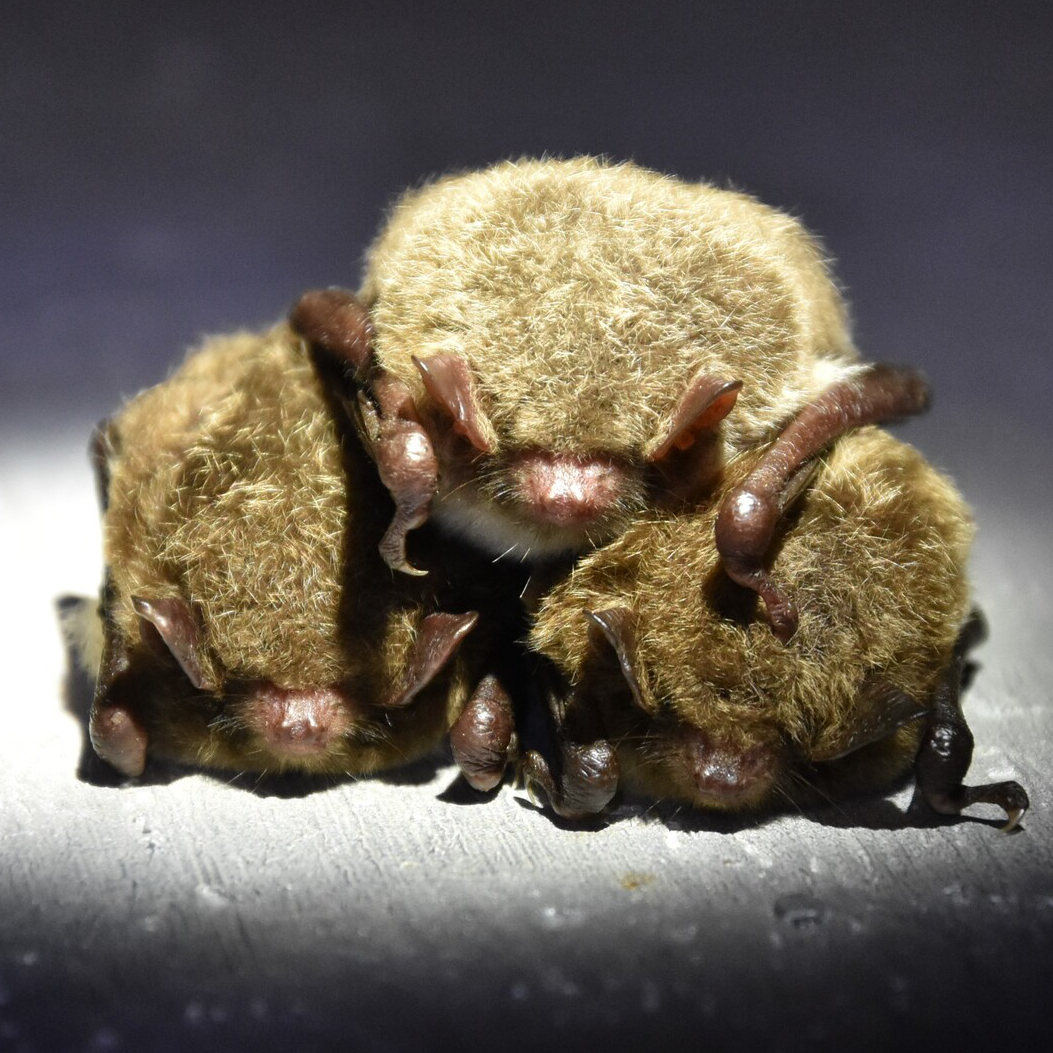
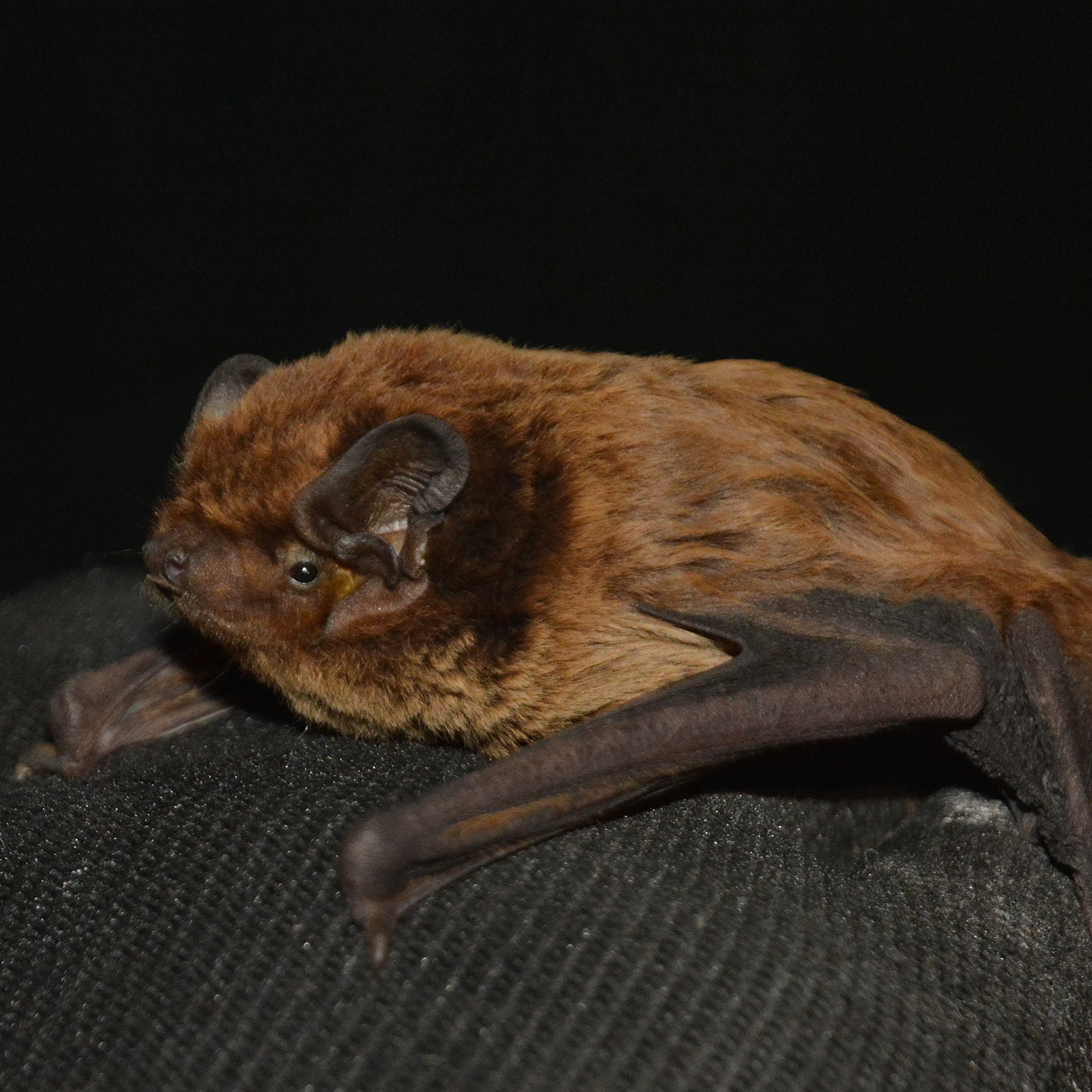
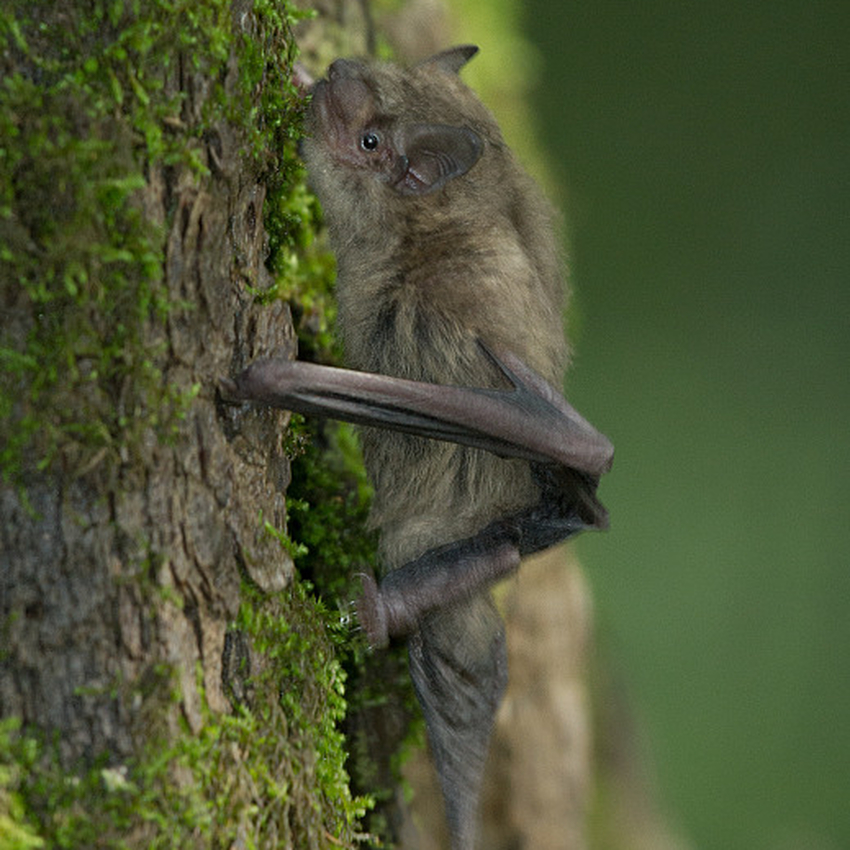
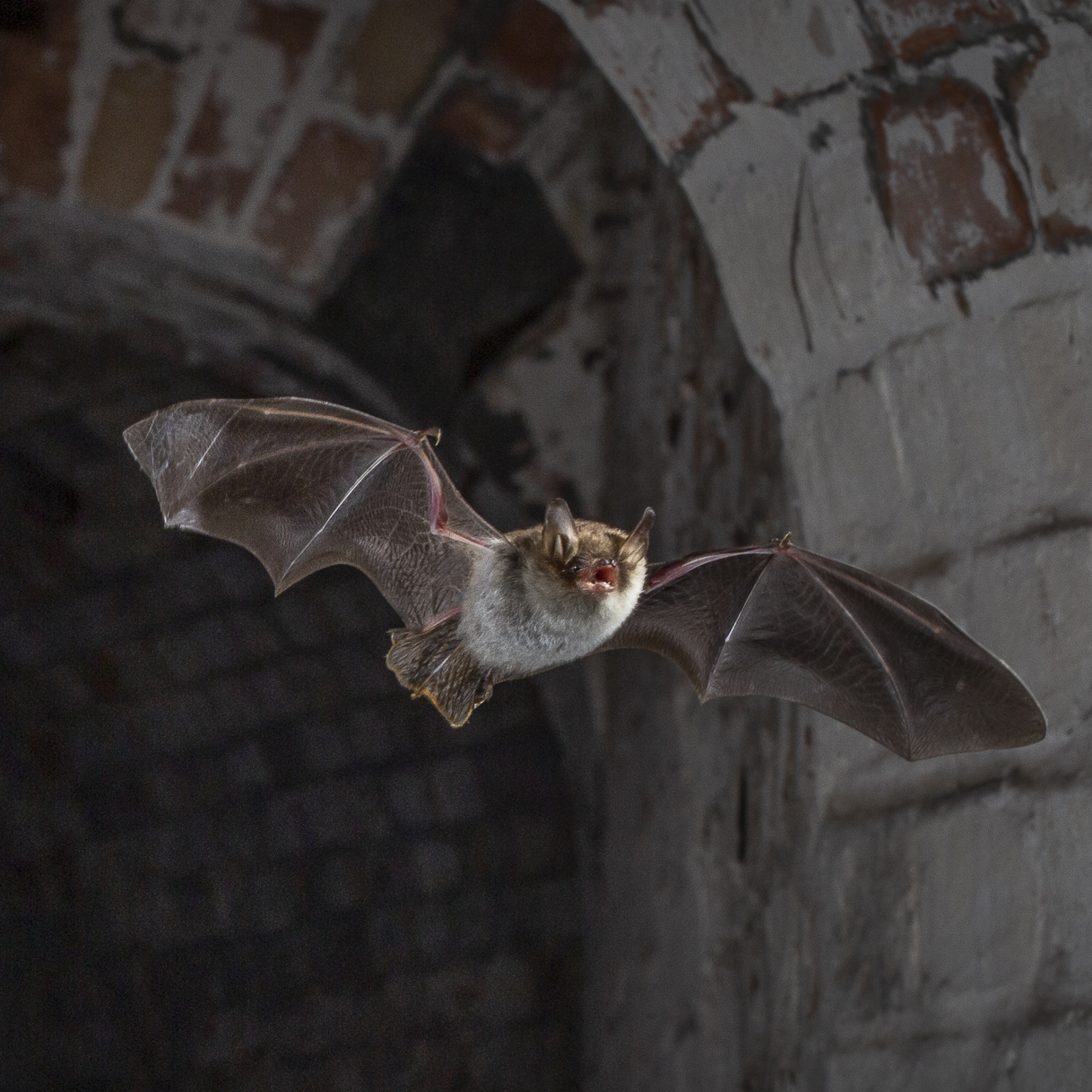
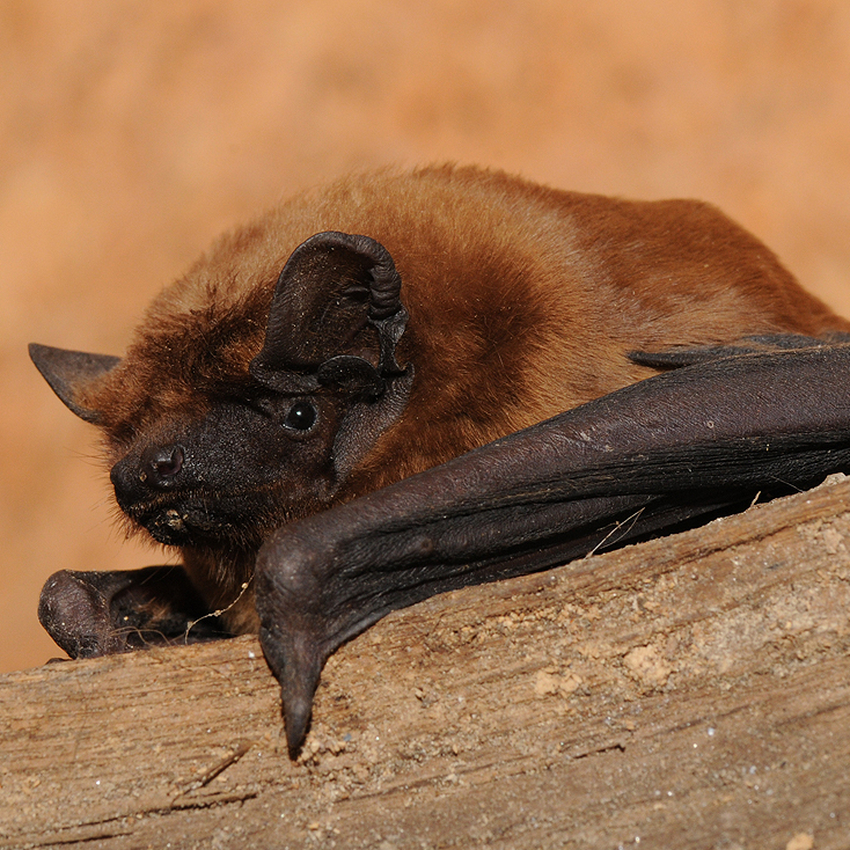
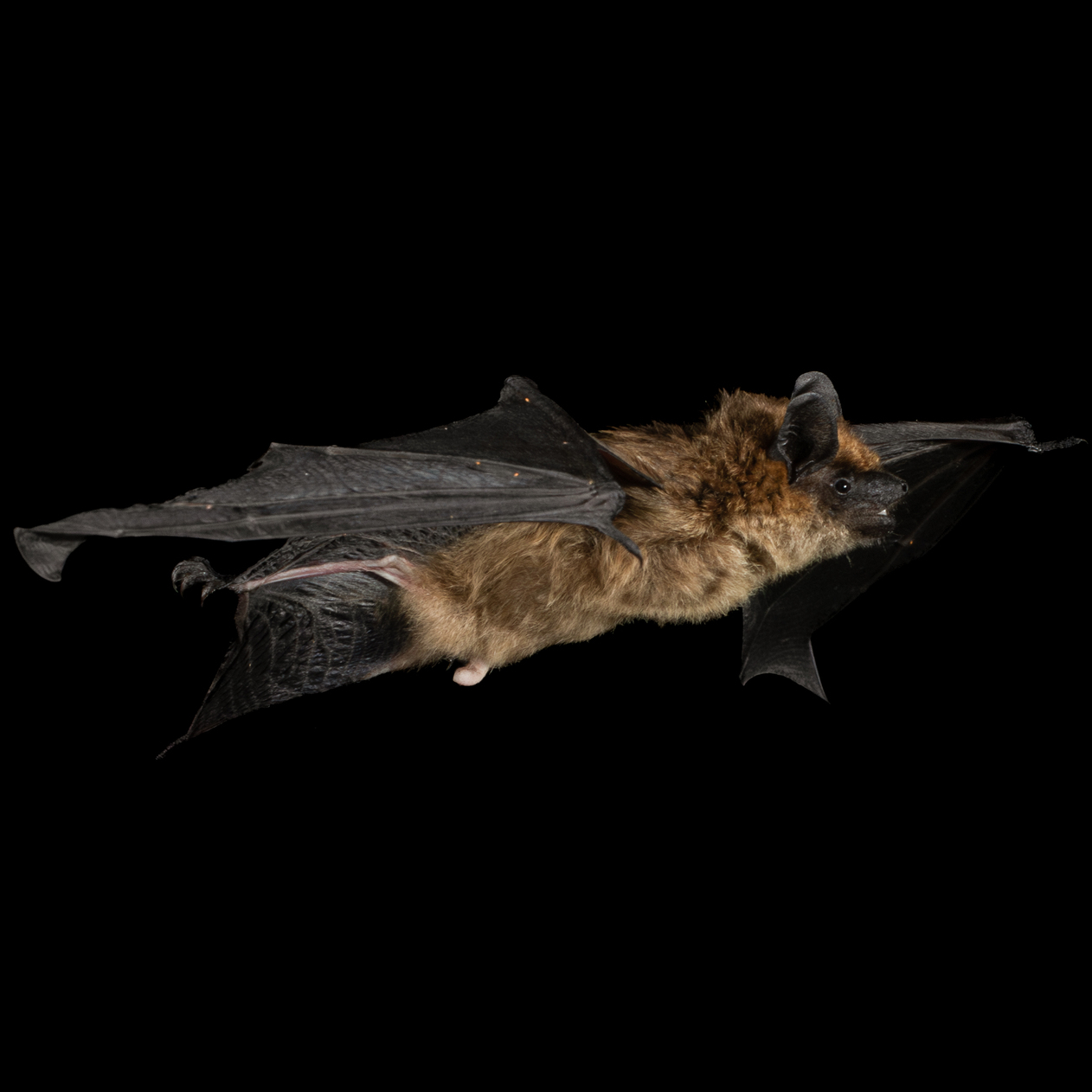
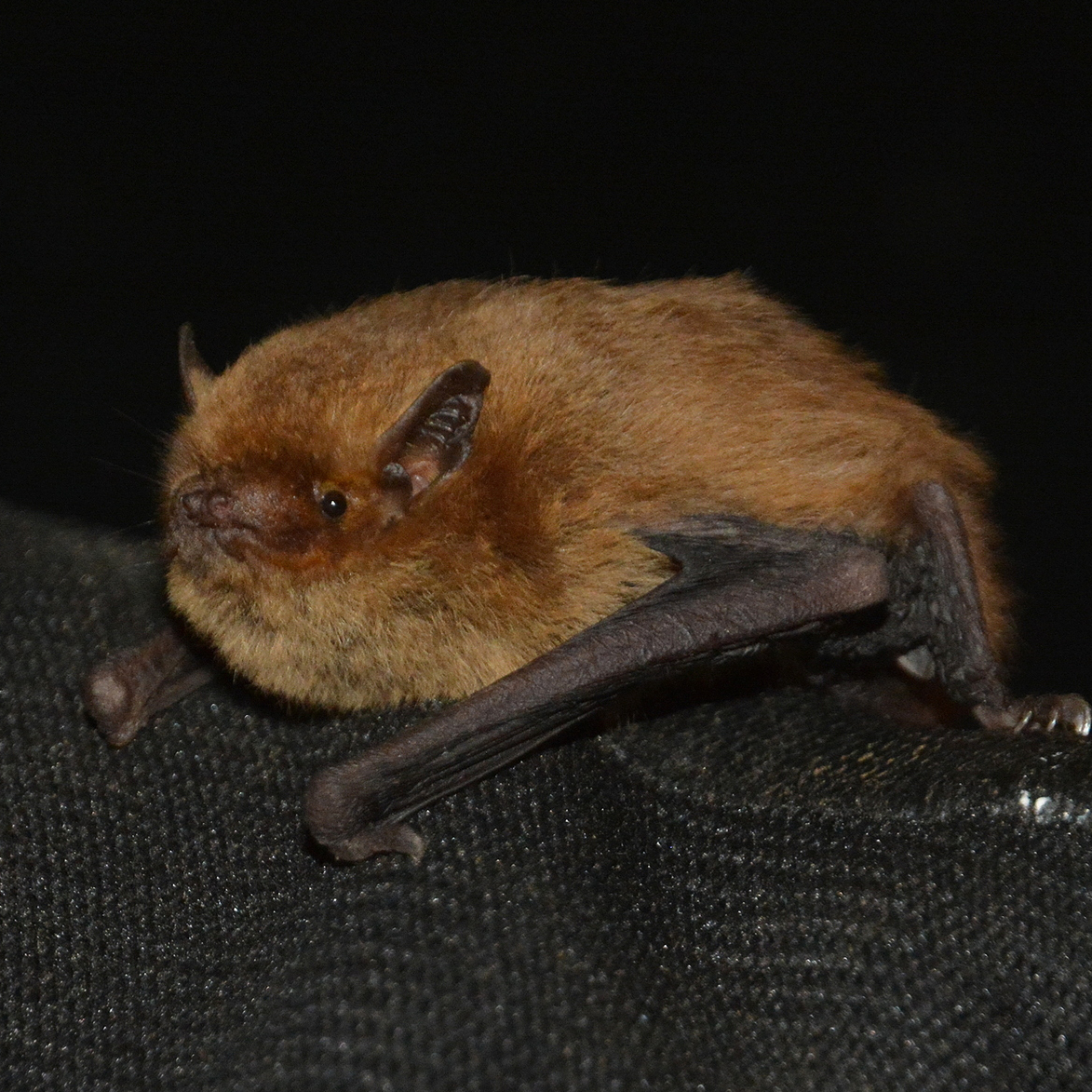
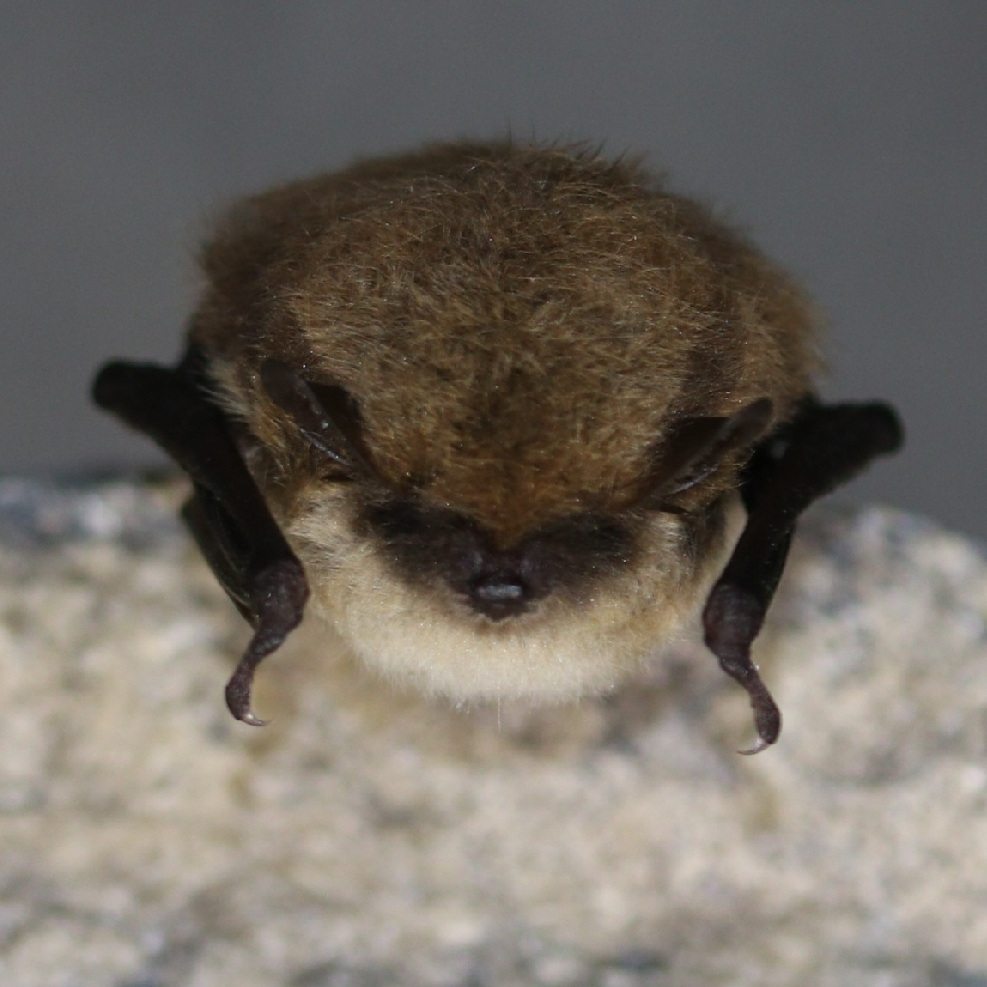
Britain’s smallest and most abundant bat, familiar from its fast, jerky flight along hedgerows and around garden trees at dusk. Very small; dark reddish-brown fur; uniformly dark brown face, ears and wing membranes; echolocates at around 45 kHz, distinguishing it from the Soprano pipistrelle. Roosts in small gaps in buildings and often forms large summer maternity colonies. Image: © Jakob Fahr, iNaturalist.
Find out more: Bat Conservation Trust, Suffolk Wildlife Trust, iNaturalist, The Mammal Society
Post-1994 distribution maps (tetrad)


Suffolk’s Priority Bat Species
Key
Listed as a conservation priority in Suffolk’s Biodiversity Action Plan.
Closely associated with Suffolk’s landscape and natural identity.
Identified as a key priority for recovery under Suffolk’s Local Nature Recovery Strategy.
Has a Species of the Month article attached.
 2025 Fact Sheet